
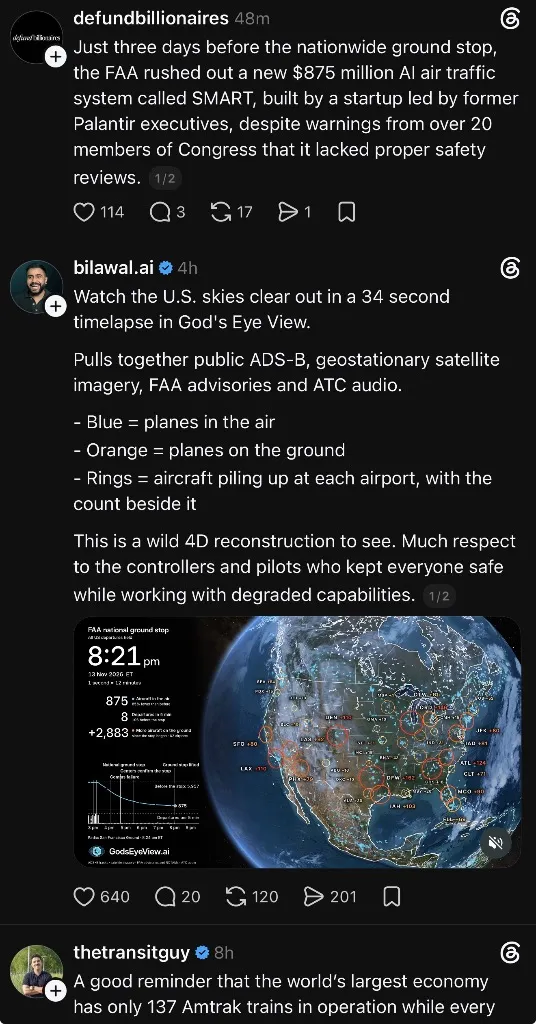
At 8:21 p.m. ET on Friday, November 13, 2026, an ADS-B and satellite reconstruction by @bilawal.ai (God's Eye View, shown above) caught U.S. airspace almost empty: 875 aircraft airborne, 8 departures in five minutes, and +2,883 more aircraft than normal sitting on the ground at hubs like DFW +142, ATL +124, LAX +110, IAH +103, JFK +101, IAD +81, MCO +80, CLT +71, and SFO +50. The FAA's nationwide ground stop ran from 3:54 to 8:15 p.m. EST and produced over 10,000 delays and over 4,000 cancellations that day, and 15,000 to 18,000 disrupted flights across the weekend.
It was one of six major U.S. outages in six days. Microsoft 365, the FAA, JPMorgan Chase and the Zelle/Plaid rails, United Airlines, Apple, and the NSA's classified network all went down between November 12 and 17. Officials ruled out a cyberattack in every case.
Then came the explanation. President Trump: "Tell them to relax, everything is good, these are individual events," and "We have thousands of companies that are upgrading right now, and when they upgrade, bad things happen." A week later, Meta Chief AI Officer Alexandr Wang published "Superintelligence is Arriving," and social feeds compressed the two into one message: AI is moving so fast that we should get used to things breaking.
I don't buy it, and the post-mortems don't support it. Every cause disclosed so far is a specific deployment-safety control that failed: a router setting nobody caught, a test lab smaller than production, a patch that didn't come back cleanly, a bug that spread through shared payment rails. Those are engineering failures with engineering fixes.
This is Part 1 of 2, published before the Dec 2, 2026 Senate Commerce hearing "Preventing the Next Ground Stop," where Transportation Secretary Sean Duffy and FAA Administrator Bryan Bedford are expected to testify. Part 2 will score their answers against the questions at the end of this post.
1. Six Outages, Six Specific Failures
| Date (2026) | System | Stated cause | The control that failed |
|---|---|---|---|
| Nov 12–14 | Microsoft 365 (EX1550543 / MO1550821), 430 million users, 74+ countries |
Latent July 2026 Windows gateway lock-contention bug, a Teams failover ~15h earlier, and ~14% capacity offline; >80% of gateway servers unresponsive | Test labs used lower-core hardware than production |
| Nov 13 | FAA, nationwide ground stop | Overlooked setting on a new Juniper router in El Dorado, Arkansas conflicting with legacy routers on L3Harris's FTI network | Install-time configuration review, contractor oversight, fault isolation |
| Nov 16 | JPMorgan Chase (+ Zelle, Plaid, peer banks), ~8 hours | Software bug in on-premise hardware systems | Containing counterparty blast radius |
| Nov 16 | United Airlines, ~90–100 min departure halt | Web-based weight-and-balance tool outage | Degraded-mode operation for a critical dependency |
| Nov 17 | NSA NSANet, Fort Meade "code yellow" |
Routine maintenance patch for a PHP vulnerability failed to come back cleanly | Patch rollback and recovery |
| Nov 17 | Apple services and retail POS | Internal software update | Staged rollout |
None of these is "AI broke the internet." Several are the oldest failure modes in operations.
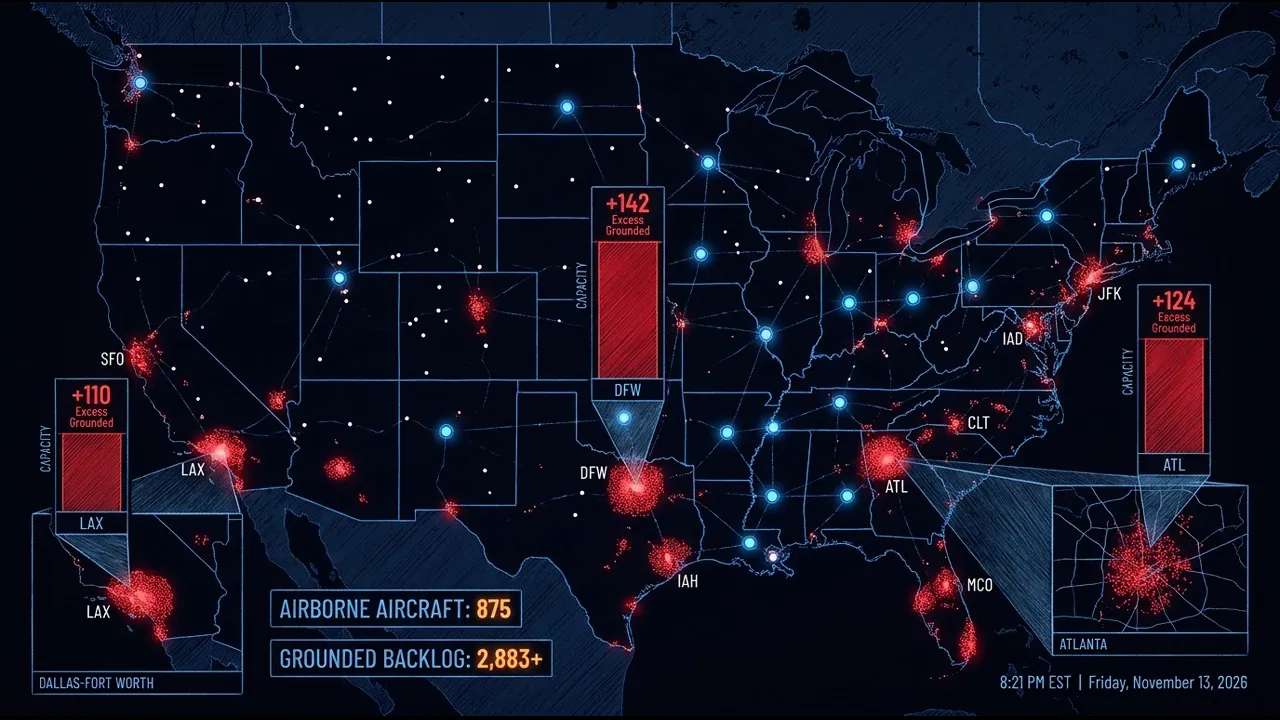
Figure 1: By 8:21 p.m. EST on November 13, only 875 aircraft were airborne nationwide while 2,883+ excess aircraft remained backed up across major hubs.
2. The Router in El Dorado
The early Day-1 story (CBS News, The Wall Street Journal) was that a production network update on L3Harris's FAA Telecommunications Infrastructure (FTI) caused router reboots and a crash. L3Harris has run FTI since 2002 and says its copper-to-fiber conversion is more than 70% complete.
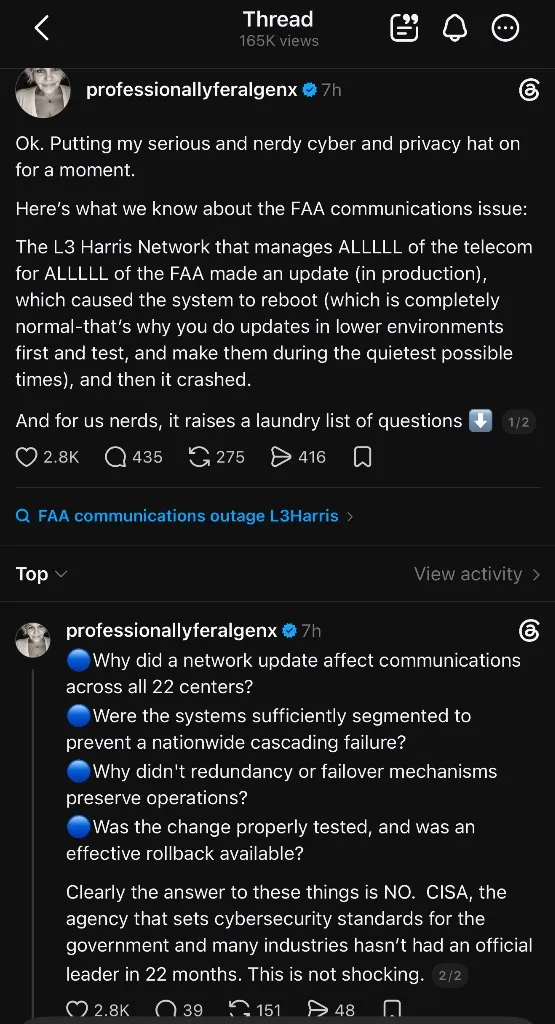
Figure 2: On Day 1, @professionallyferalgenx asked exactly the right questions: why did one network update reach every center, where was the segmentation, and was there a tested rollback?
Over the following week the picture sharpened. During copper-to-fiber work at an FAA remote radio site in El Dorado, Arkansas (with a secondary issue tied to Amarillo, Texas), a newly installed Juniper Networks router (Juniper is owned by HPE) replacing old Cisco equipment flooded FTI at roughly 1,000 connection attempts every 4 to 5 seconds. Newer IP switches stayed up. The 1980s-era TDM circuits and older edge routers did not, and radar and voice feeds became unreliable across 17 of the 22 Air Route Traffic Control Centers (ARTCCs). That forced a stop across all 22.
On November 24, CNN and CBS58 reported that investigators from the FAA, FBI, Juniper, and Cisco had recreated the failure in a lab. The cause was an overlooked setting on the new router that conflicted with the legacy routers the FAA is retiring. Investigators said they were "90% sure" it was an accident. The FAA has paused new installs of similar routers and kept the broadcast feature disabled on roughly 60 deployed units while it waits on software patches.
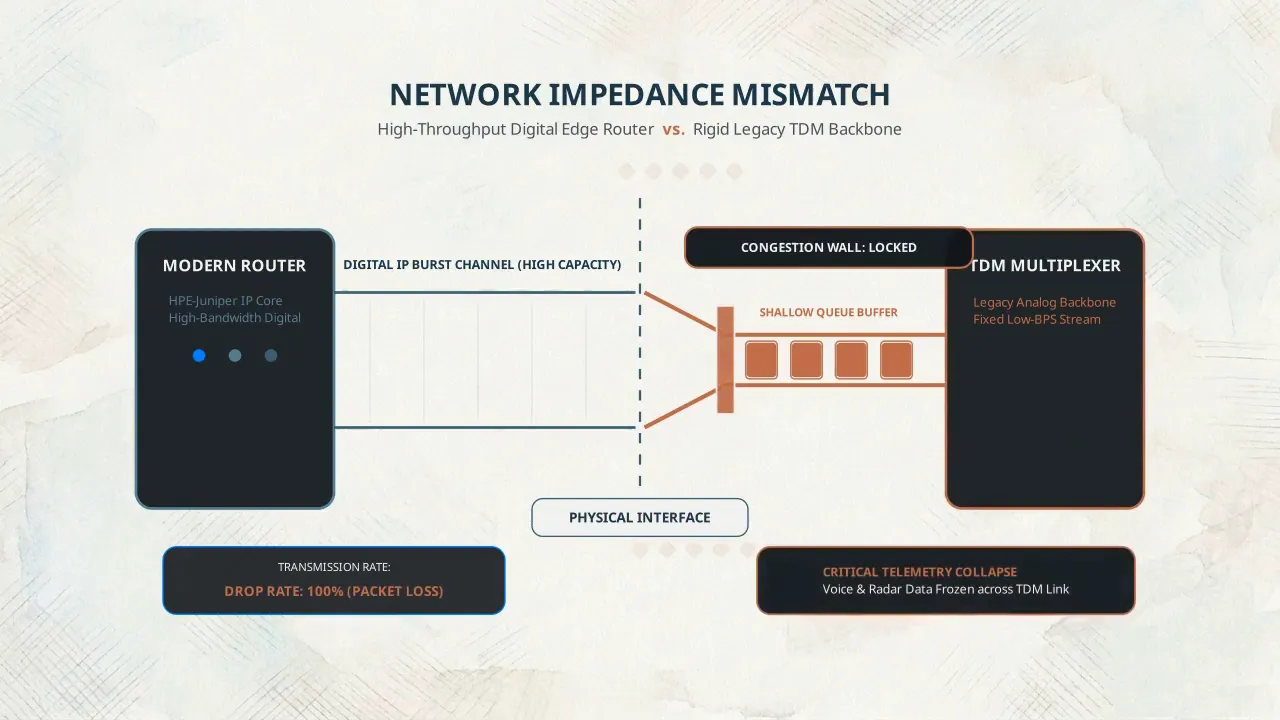
Figure 3: The El Dorado impedance mismatch — a high-throughput HPE/Juniper IP core router sending roughly 1,000 connection attempts every 4 to 5 seconds into shallow legacy TDM multiplexer buffers.
Two accountability threads matter more than the router itself:
- Isolation speed: Secretary Duffy criticized L3Harris for failing to quickly isolate the router's IP address during the event.
- Oversight: Air traffic and technician unions say a 2025 policy change removed over-the-shoulder FAA oversight of contractor maintenance, so high-risk work no longer gets timing reviews or coordination with local FAA staff.
A missed setting is a human error. A missed setting that can reach 17 en-route centers, during the afternoon, with no FAA eyes on the change and no fast way to cut it off, is a systems failure. "Get used to it" excuses the second by pointing at the first.
3. Fault Domains, the $875 Million SMART Distraction, and Bedford's Warning
Three days before the ground stop, on November 10, the FAA expanded SMART, the $875 million, 12-year AI planning tool from Air Space Intelligence, to all 22 ARTCCs, just 50 days into a roughly 90-day testing phase. That drew warnings from over 20 members of Congress and the National Air Traffic Controllers Association (NATCA).
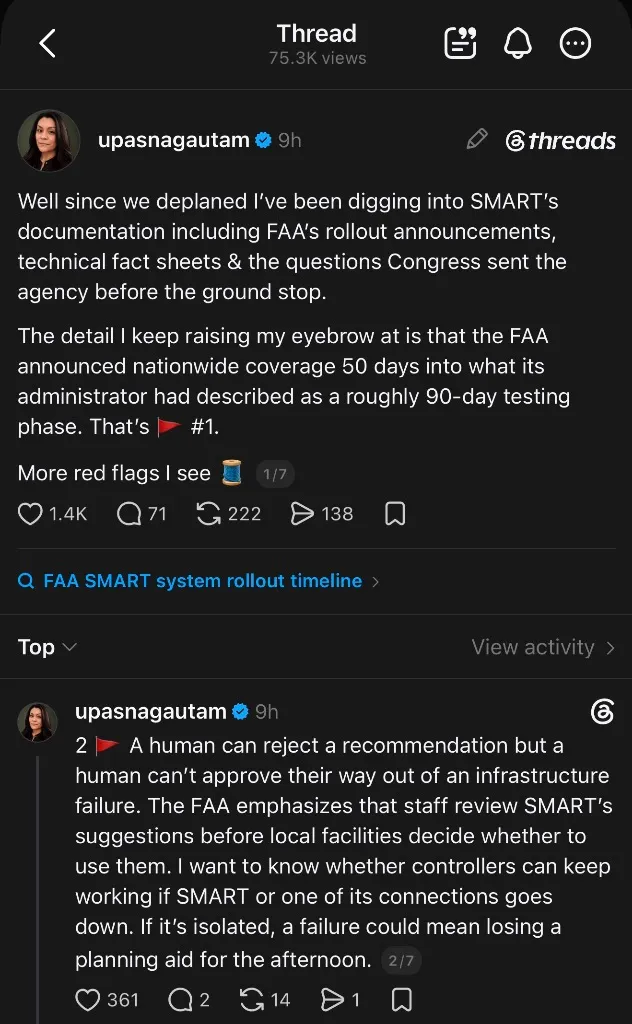
Figure 4: @upasnagautam flags the 50-of-90-day expansion and explains why controller sign-off cannot reduce infrastructure risk.
SMART did not crash FTI; DOT, L3Harris, HPE, and ASI all agree on that. But the critique still applies to how the FAA modernizes:
"A human can reject a recommendation, but a human can't approve their way out of an infrastructure failure."
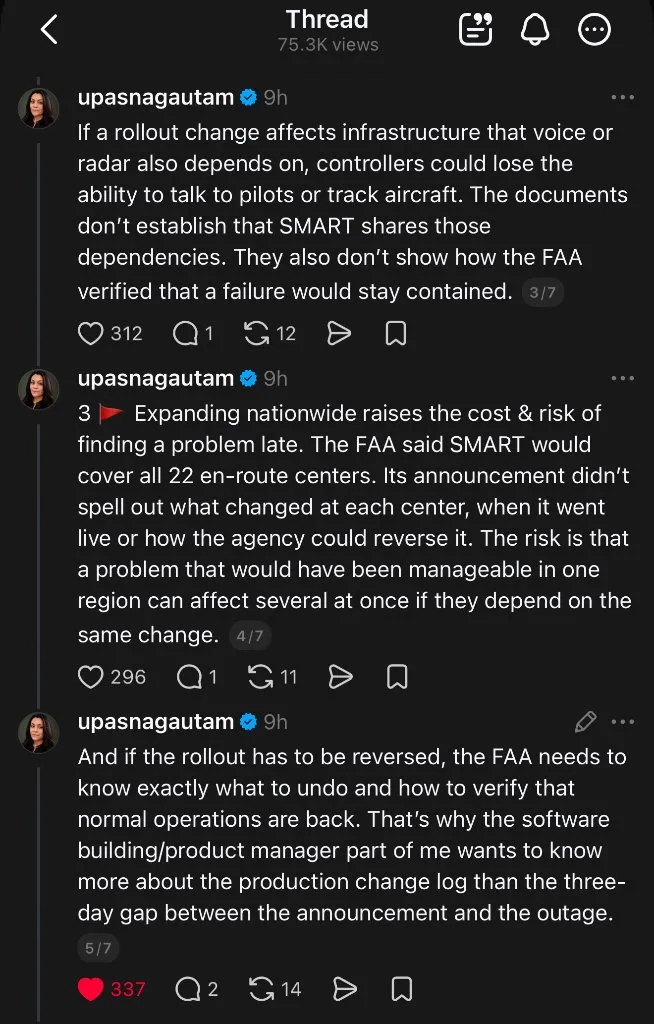
Figure 5: Expanding to every center at once, without per-center change logs or verified isolation, turns a regional problem into a national one.
On Tuesday, September 15, 2026, FAA Administrator Bryan Bedford, the sole witness before House appropriators, named the hardest problem himself: building the new system beside the old one and switching over without interrupting live air traffic control.
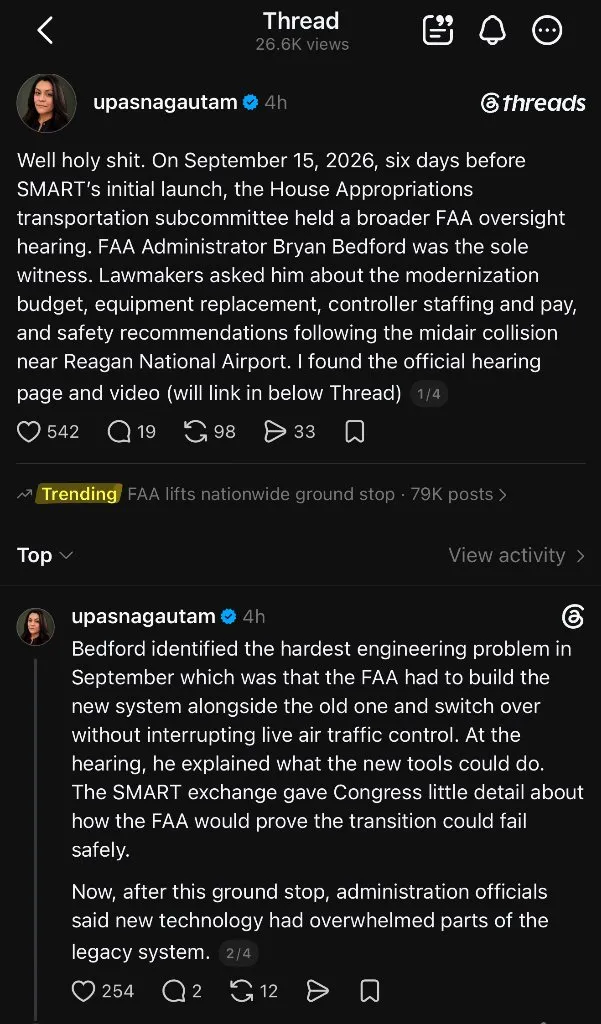
Figure 6: Bedford's September warning, set against officials' November admission that "new technology had overwhelmed parts of the legacy system."
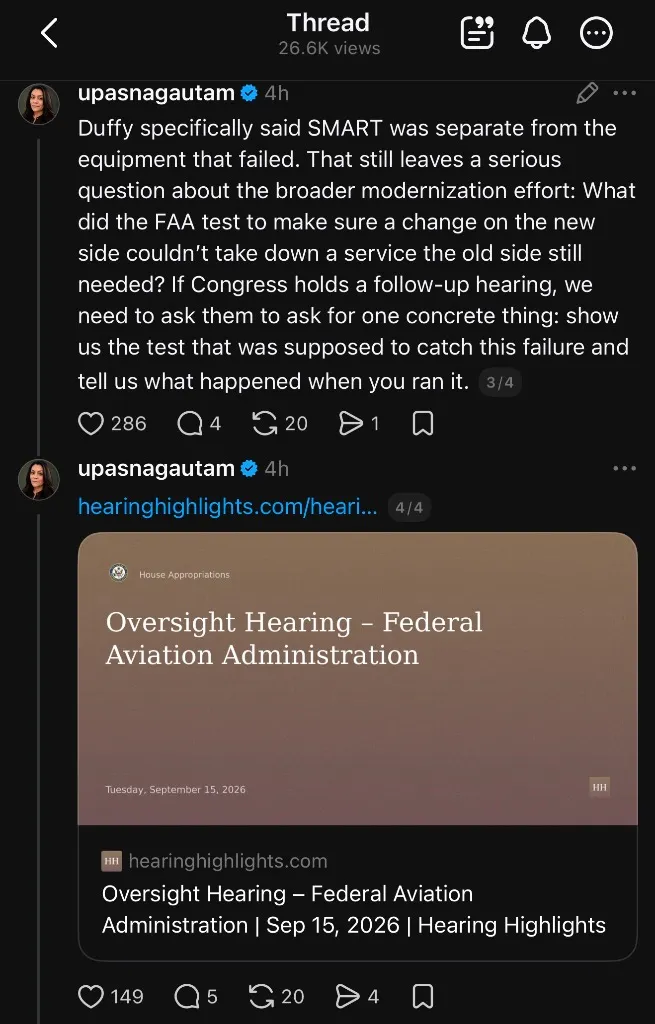
Figure 7: "Show us the test that was supposed to catch this failure and tell us what happened when you ran it."
The El Dorado failure happened exactly at that seam: modern equipment flooding legacy equipment, with no fault domain to contain it. Between now and the December 2028 target for moving roughly 4,500 facilities to AT&T's FAA Enterprise Network Services (FENS), there will be thousands more seams like it.
4. Microsoft's Lab Was Smaller Than Production
Microsoft's preliminary post-incident review for EX1550543 (Exchange Online) and MO1550821 (the wider Microsoft 365 suite) describes three factors that combined. The outage hit 430 million users across 74+ countries, including the U.S. House, UK NHS hospitals, and Canadian "code grey" hospitals, over a 16-hour primary window.
- A latent
July 2026defect: A Windows Server update for M365 networking gateways introduced severe lock contention in a core secure-connection process. Testing missed it because the lab ran lower-core hardware; higher-core production servers jammed under load. - A Teams failover ~15 hours earlier moved traffic onto the primary gateway shared with Exchange Online.
- ~14% of gateway capacity was already offline for unrelated maintenance. Failing health checks pulled more nodes, the survivors drowned in retries, and more than 80% of gateway servers stopped responding.
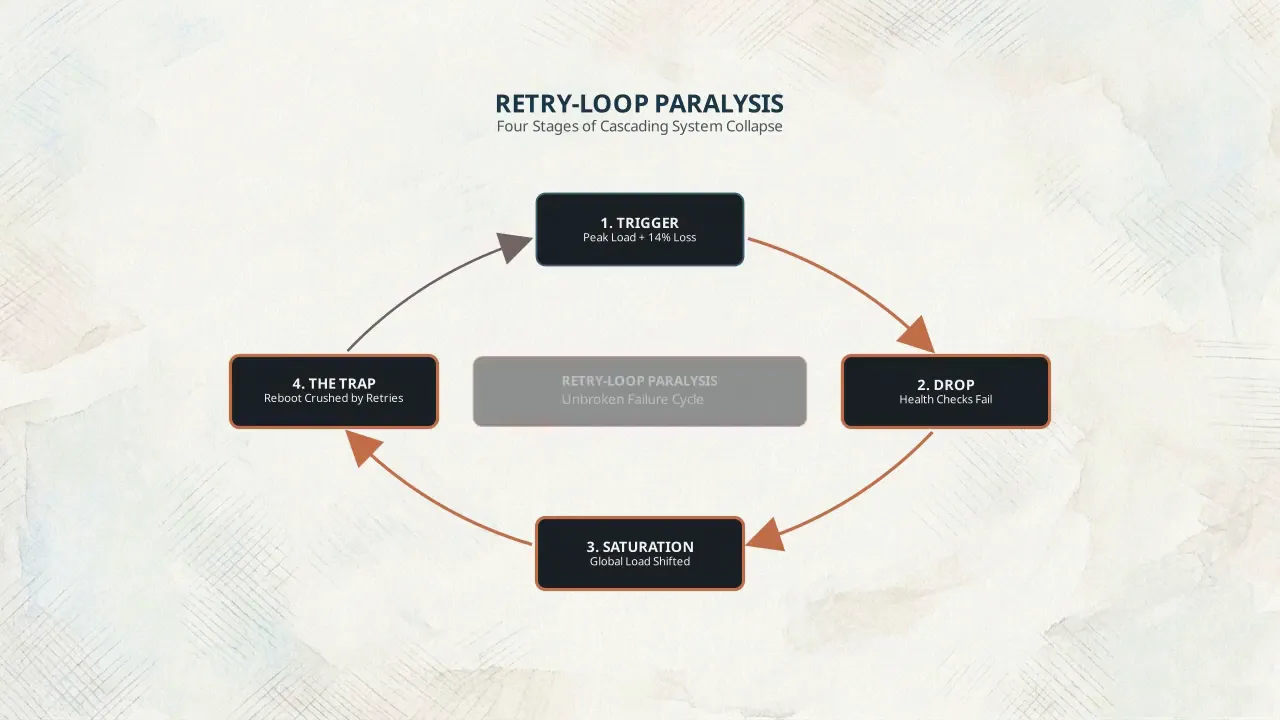
Figure 8: How a latent July 2026 lock-contention bug plus ~14% offline capacity turned into global Retry-Loop Paralysis across >80% of M365 networking gateways.
The lesson is "your test environment has to look like production." That rule predates superintelligence by decades.
5. Contagion and Patches: Chase, United, NSANet, Apple
- JPMorgan Chase (Nov 16): A software bug in on-premise hardware disrupted web, mobile, ATM, and branch systems for about 8 hours, peaking near 5,000 Downdetector reports. Because Chase sits in the middle of the rails, transfers stalled through Zelle (whose own network stayed up) and Plaid, and customers at Bank of America, Wells Fargo, U.S. Bank, Capital One, and Truist saw errors even though those banks' core systems were fine.
- United Airlines (Nov 16): A web-based weight-and-balance tool failed and halted mainline departures for about 90–100 minutes.
- NSA
NSANet(Nov 17): A routine maintenance patch for a PHP vulnerability failed to come back cleanly. The NSA declared "code yellow" at Fort Meade and staggered non-emergency staff arrivals until noon, in effect throttling login load by hand, before returning to "code green" that evening. - Apple (Nov 17): An internal software update briefly took down iCloud sign-in, the App Store, Apple Music, Apple Pay, AppleCare, device activation, and retail point-of-sale.
6. "Get Used to It" vs. What Wang Actually Wrote
The White House response hasn't come with technical detail: individual events, companies upgrading, "bad things happen," and "ancient" federal infrastructure. National Cyber Director Sean Cairncross is out after Trump said he wasn't "good enough," and DoD CIO Kirsten Davies is the new cyber chief. On November 18, DNI Jay Clayton, DHS Secretary Markwayne Mullin, and FBI Deputy Director Christopher Raia told the House Homeland Security Committee there was no evidence of a coordinated attack. The detailed causes came out through reporting, not briefings.
Wang's essay, published November 22 and viewed 22.7 million times by Nov 25, is being cited as proof that this is the new normal. Here is what it actually says:
"Superintelligence is arriving. How humanity acts over the next year will have great consequence on what future world we live in."
"...we have seen coding be nearly solved, the emergence of extremely powerful cyber capabilities, and strong agentic capabilities which have enabled the models to become general-purpose useful aides."
"I notice a particular form of lazy thinking within the AI industry, which is that ASI is inevitable and the only problem to solve is how to do it safely, but there is much more at stake."
Wang builds the essay on what he calls "the proof of the Riemann Hypothesis." That is his claim, and I haven't verified it. More to the point, the essay never mentions service outages or patch cycles. The idea that we're in for a year or more of finding vulnerabilities, patching, and defending comes from the wider "Patchpocalypse" coverage. Tech Policy Press reports that publicly disclosed vulnerabilities passed 100,000 in mid-November, and Ivanti's "Patch Apocalypse" paper describes discovery running at machine speed while remediation stays at human speed.
That pressure is real. But "more vulnerabilities" and "more outages" are not the same thing. Patches are incoming work; outages happen when the process that deploys them fails. If discovery doubles, staged rollouts, production-scale testing, fault domains, rollback, and human oversight of high-risk changes have to scale with it. (For the full deep dive on how machine-speed vulnerability discovery collides with human-speed change control, read the companion explainer: The Patchpocalypse and the Great Tech Cascade.) Read closely, Wang argues against the "get used to it" mindset: he calls inevitability thinking lazy and says safety, alignment, and security are "extremely urgent."
7. Questions for December 2, and the $50 Billion Ask
Secretary Duffy wants $50 billion for air traffic control modernization (up from $30.1 billion), arguing that $15 billion over 25 years bought only patchwork. Democratic appropriators point to the $22.6 billion already in the FY2026 THUD bill. Money buys hardware. It doesn't buy change discipline unless Congress requires it.
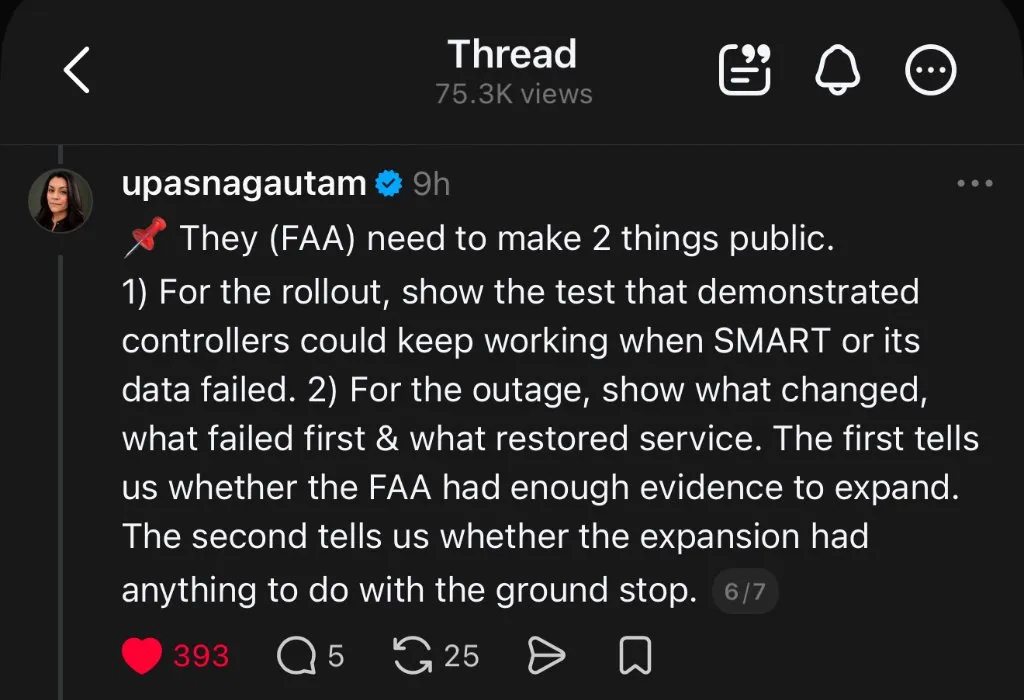
Figure 9: @upasnagautam's two-record test: the rollout containment test, and the change log showing what changed, what failed first, and what restored service.
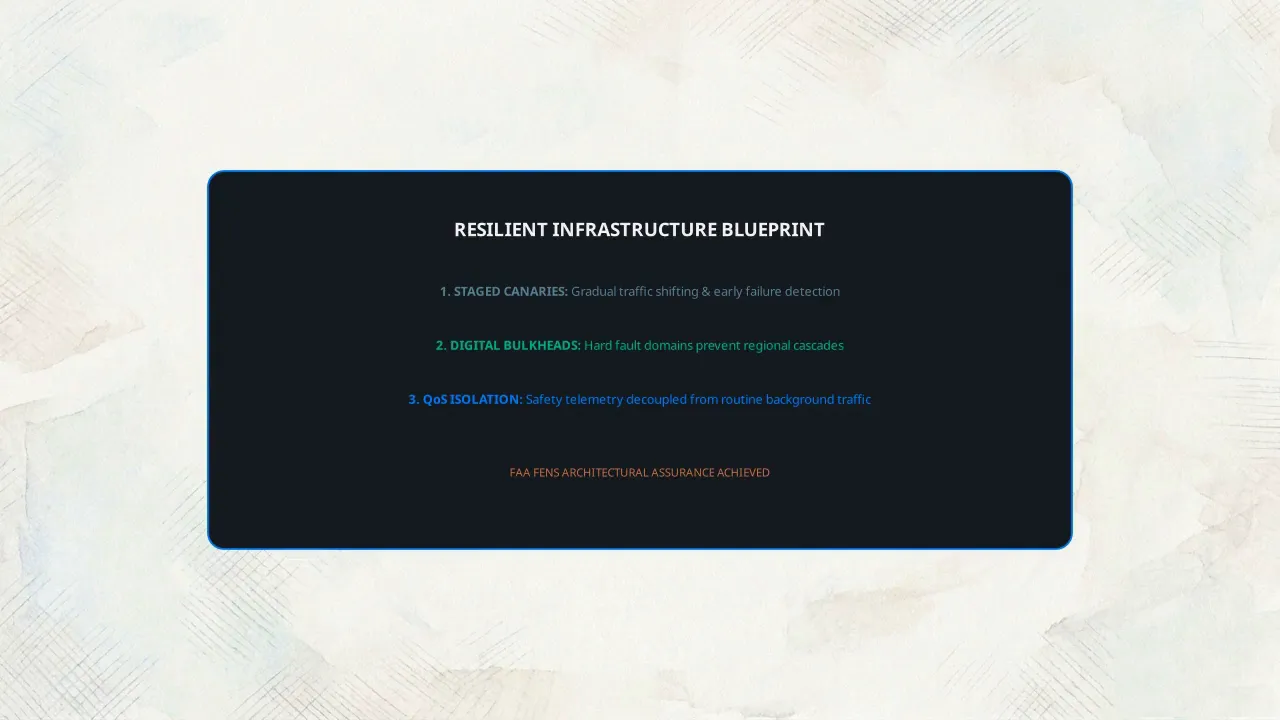
Figure 10: Three architectural guardrails Congress should require alongside the AT&T FENS transition: staged canaries, hard digital bulkheads, and strict QoS isolation for safety-of-life telemetry.
What I'd want Senators to ask Duffy and Bedford on Dec 2:
- What exactly was the overlooked El Dorado setting, who approved the change window, and was it scheduled off-peak?
- Why did isolating the router's IP take so long, and what's the runbook now?
- Did the 2025 policy remove FAA oversight of contractor maintenance? Will it be restored?
- Why could one remote site destabilize 17 of 22 ARTCCs? What segmentation and rate-limiting come next?
- What boundary and fault-injection tests gate the FENS cutover before 2028?
- What metrics justified expanding SMART at 50 of 90 test days?
- How much of the $50 billion is tied to change-safety controls, not just hardware?
Honest Audit: Still Undisclosed
- The El Dorado configuration diff and change approval record remain undisclosed and not yet public.
- The text of the 2025 contractor-oversight policy has not been published.
- The FAA has not released the cross-boundary isolation tests or the SMART 50-of-90-day gate metrics.
- Full root-cause timelines for Chase and NSANet have not been released.
Don't get used to it. Ask for the change log. Part 2 follows the Dec 2 testimony.