Manager, Platform Engineering (Systems Infrastructure) at Brinks Home
Everyone is talking about the AI bubble. But while you were watching NVIDIA, the real story happened in the software layer.
In the second week of February 2026, the market ruthlessly repriced the technology sector. In just five trading days, over $1.2 trillion in value was wiped from traditional software stocks like ServiceNow (-50%) and Salesforce (-40%). At the exact same time, the “Hyperscalers” (Amazon, Google, Microsoft) committed $660 billion to building AI infrastructure.
Why the split?
The market has realized that the “per-seat” business model is dying. If an AI agent can do the work of 50 humans, companies don’t need 50 software licenses—they need one API connection.
In our latest podcast episode, “The Great Bifurcation,” we dive deep into this market shift. We cover:
• The “Remove the AI” Test: The simple question that reveals if your product is a future-proof “Infrastructure” play or a doomed “Feature.”
• The Brinks Home Case Study: How Brinks Home deployed “Veronica” (powered by Cresta) to achieve 92% First Call Resolution, effectively moving from a “tool-based” to an “agent-based” model.
• The New Unit Economics: Why “Outcome-Based Pricing” is the only way forward for B2B tech.
Stop building tools that wait for input. Start building platforms that deliver outcomes.
The shift from “SaaS” to “Service-as-Software” isn’t just a market trend; it is an architectural mandate. Platform Engineering is no longer about just managing infrastructure—it’s about engineering the autonomous enterprise.
We are live-prototyping this transition at Brinks Home. We call it Project Polaris. [Subscribe to follow the build]
P.S. Agree? Disagree? I’m debating the “Great Bifurcation” right now on [Threads].
A map recently circulated on Threads titled “Amount Of People Eligible to Be Mass Deported,” painting large swaths of the country in a stark red with numbers reaching into the millions. The immediate reaction from many, including talented craftsmen and “rebels” I respect, is a simple, “Do it.” But as any blacksmith knows, if the metallurgy of your foundation is cracked, the anvil will never ring true.
Why Settlers are not Immigrants Podcast Episode
The “Nation of Immigrants” narrative we are all taught is what scholars call “the settler’s alibi”.[3] It is a rhetorical weld used to fuse the history of colonial conquest with the history of voluntary migration. But there is a fundamental difference: immigrants come in search of a homeland within an existing state; settlers come armed with a nationalist agenda to establish a state by displacing the original inhabitants.[5]
When we look at the “eligible” populations on that map, we are looking at people who often have deeper ancestral roots in this continent than the legal structure attempting to remove them. Archaeological evidence from White Sands confirms humans were thriving here 21,000 to 23,000 years ago—long before the glaciers even receded.[2] For over 97% of human history in North America, there were no “borders” in the sense we use them today.
Our current “right” to exclude is based on the Doctrine of Discovery—a 15th-century religious decree that claimed “discovery” by a Christian monarch conferred ownership, regardless of who was there first.[6] It is the ultimate establishment tool.
In blacksmithing, the heavy blow that is too forceful damages the work. A mass deportation program is that heavy blow. It threatens to fracture 5 million families and disrupt the very labor that sustains our communities.[7, 8]
If we applied the Haudenosaunee “Seven Generation Principle”—the idea that every decision must benefit the community seven generations into the future—would we choose a path of mass removal? [9, 10] A true rebel doesn’t just follow the state’s latest map; they question the state’s right to draw the lines in the first place. We are all arrivants on a land that has seen 20,000 years of stewards.[3, 11] It’s time we started acting like guests instead of owners.
Works Cited: [1] Ellerman, A., & O’Heran, J. “Unsettling migration studies: Settler colonialism and the settler’s alibi.” Cenes Narratives. [1] [2] Wolfe, P., & Veracini, L. “Settler colonialism: Logic and structure.” Wikipedia / Settler Colonial Studies. [1, 2] [3] U.S. Geological Survey (USGS). “Tests confirm humans tramped around North America more than 20,000 years ago: The White Sands footprints.” UC Berkeley News / Science. [10, 3] [4] “Seven generation sustainability: Origin and the Great Law of the Iroquois.” Wikipedia. [4, 5] [5] Indigenous Corporate Training Inc. “The Seventh Generation Principle and the Great Law of Haudenosaunee Confederacy.” [11, 12] [6] “The Doctrine of Discovery: Spiritual, political, and legal justification for colonization.” Lakota Times / Upstander Project. [6, 13] [7] “Expansion and Manifest Destiny: Westward the Course of Empire Takes Its Way.” Smithsonian American Experience. [14, 15] [8] “Consequences of family separation resulting from the deportation of a male migrant from the U.S.” NCBI / PMC. [8] [9] National Association of Social Workers (NASW). “Near-Certain Cataclysmic Consequences of a Mass Deportation Program.” Social Justice Briefs. [9]
The Epistemic Sovereign: A Comprehensive Analysis of the White House January 6th Webpage and the Legal Architecture of Executive Revisionism
date: 2026-01-06
categories: commentary politics media-criticism
Editor’s Note
This article analyzes and fact-checks claims made on an official WhiteHouse.gov webpage published on January 6, 2026. It distinguishes between political interpretation and verifiable historical record using court rulings, investigative findings, and contemporaneous reporting. Descriptions of events reflect established evidence and do not depend on partisan affiliation.
Introduction
On January 6, 2026, the White House published an official webpage revisiting the January 6, 2021, attack on the U.S. Capitol. The page, hosted on the whitehouse.gov domain, presents an interpretation of the event that departs significantly from prior investigations, court findings, and contemporaneous reporting.1
The webpage characterizes many participants as peaceful protestors, criticizes congressional investigators and Democratic leaders, and defends presidential pardons issued in 2025 for individuals convicted in connection with January 6. This article provides a fact-checked review of those claims and explains where they diverge from the historical and legal record.
Background: What Happened on January 6, 2021
On January 6, 2021, supporters of then-President Donald Trump gathered in Washington, D.C., following repeated false claims that the 2020 presidential election had been stolen. After a rally near the White House, thousands moved toward the U.S. Capitol as Congress convened to certify the Electoral College results.2
A portion of the crowd breached police lines, forcibly entered the Capitol, vandalized property, and assaulted law enforcement officers. Members of Congress were evacuated, and the certification process was temporarily halted before resuming later that evening.2
Subsequent investigations — including a bipartisan Senate report and the House Select Committee — concluded that the attack constituted a violent disruption of a constitutional process.3
Main Claims on the White House Page and a Fact-Checked Evaluation
1. Pardons and Support for January 6 Participants
The White House page emphasizes that President Trump issued broad pardons and sentence commutations for nearly all individuals charged in connection with January 6 after returning to office in 2025.1
Fact Check:
While these pardons did occur, they do not negate the underlying convictions. Prior to clemency, hundreds of defendants had been convicted in federal court of crimes including obstruction of an official proceeding, assaulting law enforcement officers, and seditious conspiracy.4
2. Characterization of January 6 as a “Peaceful Protest”
The White House narrative repeatedly frames the event as a peaceful protest that was mischaracterized by media and investigators.
Fact Check:
This framing conflicts with extensive video evidence, court findings, and law enforcement records documenting widespread violence, forced entry into restricted government buildings, and assaults on more than 170 police officers.2
3. Claims of Widespread Fraud in the 2020 Election
The webpage reiterates claims that the 2020 election was fraudulent and illegitimate.
Fact Check:
More than 60 election-related lawsuits were dismissed or rejected by courts. State and federal election officials, including Trump-appointed judges and Republican administrators, found no evidence of widespread fraud sufficient to alter the election outcome.5
4. Assigning Blame to Capitol Police or Security Failures
The White House page suggests that law enforcement actions or security planning were the primary cause of the violence.
Fact Check:
While security preparedness has been criticized, official reviews consistently conclude that rioters initiated violence, overwhelmed police lines, and illegally entered the Capitol. Injuries to officers are well-documented.2
5. Attacks on the January 6 Select Committee
The webpage alleges that the Select Committee acted in bad faith and produced a distorted historical record.
Fact Check:
The Committee’s final report was based on thousands of interviews, subpoenaed records, sworn testimony, and public hearings. Although politically contested, its findings remain part of the official congressional record.3
Key Narrative Differences at a Glance
Issue
White House Narrative
Documented Record
Nature of January 6
Peaceful protest
Violent breach of the Capitol
2020 Election
Fraudulent
No outcome-changing fraud found
Legal Status of Participants
Victims of persecution
Convicted prior to pardons
Role of Police
Primary instigators
Officers assaulted while defending Capitol
Table of Sources
Source
Type
Relevance
WhiteHouse.gov – January 6 Page
Official government communication
Primary subject of analysis
Wikipedia: January 6 United States Capitol Attack
Historical overview
Timeline, violence, casualties, aftermath
Wikipedia: List of January 6 Criminal Cases
Legal reference
Charges, convictions, and sentencing
PBS NewsHour
Investigative journalism
Select Committee findings and context
PolitiFact
Independent fact-checking
Evaluation of election fraud claims
Federal and State Court Rulings
Judicial record
Dismissal of election challenges
Contextual Notes
Government Speech Doctrine protects the right of an administration to publish political narratives but does not confer factual authority.
Political reinterpretation of historical events does not alter documented evidence or judicial findings.
Conclusion
The White House’s January 6 webpage reflects a political reinterpretation rather than a consensus historical account. Its central claims — particularly regarding election fraud and the characterization of the Capitol attack — conflict with court rulings, investigative findings, and contemporaneous reporting.
Distinguishing between political messaging and verified historical record is essential for informed public understanding of January 6, 2021.
Footnotes
White House, “January 6” webpage, published January 6, 2026. ↩↩
January 6 United States Capitol Attack, Wikipedia. ↩↩↩↩
PBS NewsHour, coverage of the January 6 Select Committee final report. ↩↩
List of Criminal Cases Related to the January 6 Attack, Wikipedia. ↩
PolitiFact, court-reviewed assessments of 2020 election fraud claims. ↩
Parke County, Indiana, asserts a bold claim: “The Covered Bridge Capital of the World”. This is no mere marketing hyperbole; it is the foundational truth of the county’s economic and cultural identity. With a remarkable concentration of 31 historic covered bridges, this rural enclave in central Indiana has successfully leveraged its 19th-century architectural heritage into a thriving, modern tourism economy. This identity is meticulously curated, inviting visitors into a “rustic, charming setting” that feels preserved in time, complete with horse-drawn buggies on country roads and quaint town squares.
For Parke County, tourism is not a secondary benefit; it is its “major industry”. This economy is built upon a tangible, irreplaceable collection of timber structures, each with a unique history. The county has strategically wrapped this core asset with a comprehensive tourism infrastructure, including Indiana’s largest festival, meticulously planned driving routes, and a complementary network of outdoor recreation and cultural attractions. This report will analyze the economic engine of this identity, its deep historical foundations, the architectural significance of the bridges themselves, and the robust tourism logistics that make Parke County a premier case study in American heritage tourism.
The Parke County Covered Bridge Festival: The Economic Engine
The primary engine driving this tourism economy is the Parke County Covered Bridge Festival™, an event recognized as Indiana’s Largest Festival. This 10-day extravaganza is strategically timed to coincide with the explosion of autumn foliage, which perfectly frames the bridges’ weathered wood. The festival always begins on the second Friday in October.
Upcoming festival dates are:
* 2025: Friday, October 10 – Sunday, October 19, 2025.
* 2026: Friday, October 9 – Sunday, October 18, 2026.
The festival’s design is a brilliant logistical strategy for maximizing county-wide economic impact. Rather than a single, centralized fairground, the event operates as a decentralized pilgrimage across 10 distinct community hubs. This model compels the festival’s more than 2.5 million annual visitors to traverse the entirety of the county, ensuring a wide distribution of tourism revenue.
Each of the 10 festival locations serves as a “headquarters” with a unique specialty :
* Rockville: The county seat, serving as the official Festival Headquarters.
* Mansfield: Home to the historic Mansfield Roller Mill, this hub is a major center for hundreds of craft and food vendors.
* Bridgeton: Anchored by its rebuilt historic mill and covered bridge, this location also features hundreds of vendors.
* Billie Creek Village: A historic site featuring three covered bridges and shopping.
* Montezuma: Known for its “famous cullers and roast hog and beans” and wagon tours.
* Tangier: Famous for its homemade pies and the Sandlady’s Gourd Farm.
* Bloomingdale: Celebrated for its famous apple butter sold at the Friends Meeting House.
* Rosedale: Features a country market and quilt sale.
* Mecca: Highlights its historic schoolhouse, a covered bridge, and the county’s oldest tavern.
* Bellmore: Specializes in fall florals, pumpkins, and yard sales.
This decentralized structure transforms the entire county into an immersive experience, encouraging visitors to explore the remote backroads and, in the process, discover the very bridges the festival celebrates.
Historical Foundation: The “Silicon Valley” of 19th-Century Bridge Building
The county’s extraordinary inventory of 31 bridges—down from a peak of 53—is not an accident of history. It is the direct result of a unique geographic anomaly: Parke County was the epicenter for Indiana’s most prolific and skilled covered bridge builders.
During the 19th century, bridges were covered not to protect the travelers or the roadbed, but to protect the complex, load-bearing wooden trusses from the rain, snow, and sun that would cause them to rot and fail. The reason Parke County became the “capital” for these structures is that two of Indiana’s most significant bridge builders, Joseph J. Daniels and Joseph A. Britton, lived and worked in the Rockville area. A third major builder, Henry Wolf, was also responsible for key structures.
This concentration of master craftsmen in one small, rural area created a 19th-century “Silicon Valley” of bridge engineering. Daniels and Britton, along with the Kennedy family of nearby Rushville, were collectively responsible for building 158 covered bridges across Indiana. Because the talent was local, Parke County and its surrounding region received a dense saturation of their work, which has now become their lasting legacy.
The 31 Bridges: An Architectural and Preservation Analysis
The 31 surviving structures are the county’s core asset. On December 22, 1978, these bridges were collectively added to the National Register of Historic Places as the “Parke County Covered Bridge Historic District”. This designation, with the exception of the 2006-rebuilt Bridgeton Bridge, protects the entire collection as a vital piece of American history.
Of the 31 bridges, 21 remain open to vehicle traffic, while 10 have been “retired” and are open to pedestrian traffic only. The vast majority are of the Burr Arch design, a highly robust truss system patented by Theodore Burr in 1817, which combines a timber truss with a relieving arch.
While each bridge has its own story, four structures stand out as pillars of the county’s identity, representing themes of resilience, economic synergy, engineering prowess, and sheer survival.
A Representative Sample of Parke County Bridges
Bridge Name
Map ID
Year Built
Builder
Truss Type
Waterway Crossed
Status
Portland Mills
#24
1856
Henry Wolfe
Burr Arch
Little Raccoon Creek
Vehicle
Jackson
#28
1861
J.J. Daniels
Burr Arch
Sugar Creek
Vehicle
Mansfield
#5
1867
J.J. Daniels
Burr Arch (2 span)
Big Raccoon Creek
Pedestrian
Bridgeton
#8
2006 (Rebuilt)
D. Collom / Community
Burr Arch (2 span)
Big Raccoon Creek
Pedestrian
Mecca
#21
1873
J.J. Daniels
Burr Arch
Big Raccoon Creek
Vehicle
West Union
#26
1876
J.J. Daniels
Burr Arch (2 span)
Sugar Creek
Vehicle
Narrows
#37
1882
J.A. Britton
Burr Arch
Sugar Creek
Pedestrian
Billie Creek
#39
1895
J.J. Daniels
Burr Arch
Williams Creek
Pedestrian
Cox Ford
#36
1913
J.A. Britton
Burr Arch
Sugar Creek
Pedestrian
Nevins
#14
1920
J.A. Britton
Burr Arch
Little Raccoon Creek
Vehicle
In-Depth Spotlights on Pillar Bridges
The Bridgeton Bridge (#8): A Case Study in Resilience
The Bridgeton Bridge is perhaps the most “memorable” in the county and serves as a powerful symbol of its modern identity. The original, a 245-foot, double-span Burr Arch masterpiece, was built in 1868 by the legendary J.J. Daniels. It stood for 137 years as the scenic anchor of the village, paired with the 1870 Bridgeton Mill.
On April 28, 2005, the historic bridge was completely destroyed by an arsonist. This act was an existential threat to the community’s heritage and tourism economy. The response, however, defines Parke County’s commitment. The community did not erect a modern concrete replacement. Instead, residents and volunteers rallied to rebuild a near-exact replica of the 1868 Daniels bridge, which was completed in 2006. This $10,200 (original 1868 cost) bridge’s destruction and subsequent rebirth demonstrate that these structures are not passive relics but living landmarks, actively maintained and fiercely protected by the community.
The Mansfield Bridge (#5) and Roller Mill: The Economic Hub
The 247-foot, double-span Mansfield Bridge, built by J.J. Daniels in 1867, exemplifies the concept of symbiotic placemaking. Its identity is inextricably linked to the adjacent Mansfield Roller Mill, an 1875-era gristmill now operated as a state historic site. The mill, which still contains its original turbine machinery from 1886, provides a historical “critical mass” with the bridge. This authentic pairing creates the aesthetic and cultural anchor for one of the largest and most bustling festival hubs. During the 10-day festival, this village—which has fewer than 20 permanent residents—is transformed into a massive market for “hundreds of vendors,” and the bridge is closed to auto traffic to accommodate the crowds. The bridge and mill provide the “sense of place” that attracts the commerce, and the commerce, in turn, provides the economic incentive and funds to preserve the historic assets.
The West Union Bridge (#26): The Engineering Marvel
This structure is not just a local treasure; it is a national one. At 315 feet long (337 feet portal-to-portal), the West Union Bridge is the longest covered bridge in Parke County. Built in 1876 by J.J. Daniels to replace a previous bridge of his that was destroyed by a flood, it is a massive double-span Burr Arch Truss crossing Sugar Creek.
Its engineering and integrity are so significant that it is considered one of the “nation’s best-preserved examples of the Burr truss”. In recognition of its profound architectural importance, the bridge was elevated from its 1978 National Register of Historic Places listing to the far more exclusive status of National Historic Landmark in 2016. It represents the pinnacle of 19th-century timber engineering and is arguably the county’s single most important architectural asset.
The Portland Mills Bridge (#24): The Survivor
Built in 1856 by Henry Wolfe, the Portland Mills Bridge is the oldest surviving covered bridge in Parke County. Its history highlights the active, expensive, and ongoing nature of preservation. The bridge was not originally built in its current location; it was moved and relocated over Little Raccoon Creek in 1960.
More telling is its 1996 rehabilitation. A 1998 report details the extensive restoration, which cost $353,000 to repair rotted timbers and install a new roof. That same report explicitly notes that building a new, modern, two-lane concrete bridge at the site was estimated to cost $575,000. The county’s decision to spend $353,000 to save the historic, one-lane timber structure—rather than “upgrading” to a modern one—is definitive financial proof of a preservation-first policy. It demonstrates a clear, long-term commitment to heritage over modernization.
Planning a Comprehensive Visit: A Tourism and Logistics Analysis
A visit to Parke County is a logistical undertaking, as the 31 bridges are scattered across remote farmland and wooded ravines. The county has developed a highly effective system to manage this tourism.
The “Hub”: Parke County Visitors Center
The logical starting point for any visit is the Parke County Visitor’s Center. It is strategically located in the county seat of Rockville, inside the historic 1883 Train Depot. This center serves as the primary distribution point for the official Parke County Map, an essential tool for navigation. Visitors can download the map from the tourism website or request a printed copy be mailed to them.
Navigating the “Spokes”: The 5 Self-Guided Driving Routes
To solve the “where do I start?” problem, the county has organized its 31 bridges into five color-coded, self-guided driving tours. This system packages the rural backroads into manageable, themed itineraries, turning a potential logistical challenge into a curated adventure.
The routes are as follows:
* Red Route (34 miles): Praised as one of the “best” routes, passing through “colorful towns and bridges”.
* Black Route (33 miles): Also considered one of the “best” routes for its scenery.
* Brown Route (24 miles): The shortest route, notable for being entirely paved. It includes the Mecca and Phillips bridges.
* Blue Route (36 miles): A 36-mile mixed-surface route that includes 3 miles of gravel. It features the Jackson, Cox Ford, and Catlin bridges.
* Yellow Route (34 miles): This is the “expert level” route. It is described as the “least interesting,” “most remote,” and “most rugged,” with a significant amount of dirt and gravel roads.
Beyond the Bridges: The Ancillary Destination Pillars
Parke County has successfully cultivated a multi-layered destination appeal, ensuring that visitors drawn by the bridges are offered a complete, immersive experience. This diversification creates a more resilient, year-round tourism economy.
Pillar: Outdoor Adventure (Turkey Run and Shades State Parks)
Turkey Run and Shades are two of Indiana’s most visited and cherished state parks. They are a primary draw in their own right, famous for “rugged” hiking through deep sandstone gorges, canyons, and primeval hemlock groves. Sugar Creek, which flows through the park, is a hub for serene paddling, offering kayak, canoe, and tube rentals. This attraction is directly linked to the bridge heritage, as the historic Narrows Covered Bridge (#37) is located within Turkey Run State Park.
Pillar: Cultural Immersion (Amish Community and Small Towns)
The county is “sparsely populated” and “largely Amish,” offering visitors a genuine “step back in time”. Horse-drawn buggies are a common sight on the country roads. This cultural pillar is an authentic part of the county’s fabric and is accessible through a network of Amish-run businesses, including :
* Specialty Foods: Meadow Valley Farms (Amish cheese), Guion Hill (Amish pretzels and produce), and Sunset View Groceries.
* Groceries/Goods: Fisher’s Discount Store and Grocery, King Bee (beekeeping supplies), and Marshall Farm Supply.
3. Pillar: Unique and “Quirky” Tourism
Parke County has cultivated niche attractions that generate significant buzz.
* The Old Jail Inn: Perhaps the most unique lodging in the state. The former county lock-up, which was in use until 1998, has been transformed into a bed and breakfast where visitors can “sleep in the cells” and take selfies in prisoner uniforms. It also features the aptly named “Drunk Tank Wine” bar.
* The Sanatorium: The imposing, abandoned Indiana State Sanatorium is now a destination for paranormal tours, overnight ghost hunts, and historical exploration.
4. Pillar: A Year-Round Events Calendar
While the October festival is the main event, the county maintains a full calendar to attract visitors year-round. Key events include:
* Winter: The Bridgeton Country Christmas (held over multiple weekends in Nov/Dec) and the Eagles in Flight Weekend at Turkey Run State Park (Jan).
* Summer: The Rosedale Strawberry Festival (June) and the Miami Indian Gathering (June).
* Specialty: The “Dine on a Covered Bridge” series. These are exclusive, premium-priced, ticketed events, including a brunch at the Mecca Covered Bridge and a formal dinner at the Bridgeton Bridge. These events sell out far in advance (2025 events are sold out) and serve as a key fundraiser for the Parke County Incorporated Charitable Trust, which funds preservation efforts.
A Practical Directory: Lodging and Dining
Lodging: A Categorized Accommodation Analysis
The county offers a full spectrum of accommodations, from “primitive” camping to historic B&Bs.
* 1. Inns, Hotels, and Motels:
* In-Park: The Turkey Run Inn is a major destination, located directly inside the state park and offering traditional inn rooms, an indoor pool, and cabins.
* Rockville Motels: The county seat of Rockville provides several traditional motels, including the Royal Inn, Motel Forrest Rockville, Parke Bridge Motel, and Covered Bridge Motel.
* Regional Chains: Visitors seeking major hotel chains will find them in the nearby cities of Terre Haute, Crawfordsville, and Greencastle, which are home to brands like Best Western, Quality Inn, and Hampton Inn.
* 2. Bed & Breakfasts and Guesthouses:
* The Unique Stay: The Old Jail Inn in Rockville offers a one-of-a-kind experience.
* The Farm Stay: Granny’s Farm B&B in Marshall provides a country setting near Turkey Run State Park.
* Town Stays: Options include the Monarch B&B in Rockville and The Homestead B&B in Montezuma.
* 3. Cabins and Campgrounds:
* This is a primary option for visitors focused on outdoor recreation.
* Parks: Turkey Run State Park (cabins and campground), Raccoon Lake SRA (campgrounds), and Rockville Lake Park (cabins) are all popular choices.
* Private: Numerous private options exist, such as The Narrows Cabins and Sugar Valley Canoe Camp.
Dining: A Taste of Parke County
The county’s dining scene is defined by hearty Hoosier comfort food, with a clear distinction between festival fare and year-round establishments.
* 1. Festival Food: This is a major attraction in itself, summarized in the official “Festival Food Guide”. It is a “foodie’s paradise” focused on traditional, mouth-watering favorites like world-famous buried beef, hand-breaded tenderloins, steaming soup beans, and countless homemade pies.
* 2. Unique Dining Experiences:
* Dine on a Covered Bridge: The most exclusive dining ticket in the county. This series of ticketed meals (brunch on Mecca Bridge, formal dinner on Bridgeton Bridge) is a sought-after experience that directly funds the preservation of the bridges.
* 3. Year-Round Restaurants (Notable Selections):
* Traditional American / Bars: The Thirty Six Saloon – Hog Pit in Rockville is a popular stop, along with the historic Mecca Tavern and the Mansfield Village Bar and Grill.
* Diners and Breakfast: Staples for locals and tourists include Benjamins Family Restaurant, The Ranch Rockville, Aaron’s on the Square (all in Rockville), and the Main Street Diner in Rosedale.
* Wineries and Coffee: The Drunk Tank Winery at the Old Jail Inn and the Cross at a Walk Britton Winery offer local vintages. Coffeehouses and bakeries like the Bloom & Birdie Coffeehouse and the Lyford Donut Barn are popular stops.
* In-Park: The Narrows Restaurant at the Turkey Run Inn provides convenient dining for park visitors.
Concluding Analysis: The Future of a Heritage Destination
This analysis confirms that Parke County’s “Covered Bridge Capital of the World” title is a quantifiable identity, not a simple marketing slogan. It is an identity built on the solid historical-geographic anomaly of a 19th-century “Silicon Valley” of master bridge builders—Daniels, Britton, and Wolf—who saturated their home county with their work.
This identity has been successfully and strategically leveraged into the county’s “major industry” through two key pillars:
* A Keystone Event: The 10-day, 10-hub Covered Bridge Festival, which creates an immersive, county-wide economic pilgrimage.
* **Accessible Infrastructure: A user-friendly system of color-coded driving routes that package the “remote” backroads for mass tourism.
However, the Parke County model is inherently fragile. The county’s primary economic assets are 150-year-old timber structures vulnerable to fire, flood, vehicle damage, and simple neglect. The 2005 arson that destroyed the Bridgeton Bridge was an existential threat.
The community’s response to that fire—to rebuild the historic bridge from scratch in 2006 —is the single most important data point for the county’s future. It proves a collective will to actively maintain this identity, not just passively benefit from it. Parke County is not a static museum; it is an active, ongoing project in applied history. Its success hinges on a delicate, symbiotic loop: the 31 bridges must be preserved to attract the tourists, and the tourists must come to provide the economic incentive and the funds (via organizations like the Parke County Incorporated Charitable Trust) necessary for that preservation. The county’s future depends on its ability to protect its physical assets while simultaneously preserving the “authentic,” “rustic” brand that makes them a destination.
Introduction: A Battle for the Soul of the Internet’s Encyclopedia
A fundamental conflict is unfolding over the future of digital information, pitting one of the world’s most influential tech billionaires against one of the internet’s most foundational, community-driven projects. At the center of this clash are Elon Musk and Wikipedia, the ubiquitous, non-profit online encyclopedia. The dispute represents more than a simple disagreement between a public figure and a website; it is a battle between two starkly different visions for how knowledge should be created, curated, and controlled. Musk has launched a sustained campaign against the platform, alleging that it has been captured by a “woke mind virus” and suffers from a pervasive left-wing bias. His grievances, which range from personal dissatisfaction with his own biography to broader ideological objections, have culminated in a direct challenge: the creation of an AI-powered alternative named Grokopedia. This report will dissect the origins and specifics of Musk’s accusations, provide a nuanced, evidence-based analysis of bias on Wikipedia’s open platform, examine the encyclopedia’s defense from its founder and community, and offer a comprehensive profile of the proposed AI-driven successor, Grokopedia. The stakes of this conflict extend far beyond the individuals and platforms involved, touching upon the very nature of truth, the challenge of neutrality, and the future of information in an era increasingly shaped by artificial intelligence.
Section 1: Deconstructing the “Woke” Accusation: Musk’s Case Against Wikipedia
Elon Musk’s public campaign against Wikipedia has evolved from specific, personal grievances into a broad ideological crusade. By tracing the key events and statements, a clear pattern emerges: a powerful individual’s frustration with his inability to control his public narrative has been reframed and amplified through the language of the modern culture war.
1.1 The Flashpoint: The “Nazi Salute” Controversy
The most significant escalation in Musk’s recent attacks was triggered by an edit to his own Wikipedia page. Volunteer editors added an entry describing a hand gesture he made during a Donald Trump inauguration event, which some observers had compared to a Nazi salute. This addition became a pivotal flashpoint, transforming a long-simmering feud into an open declaration of war.
The Wikipedia entry itself was framed in accordance with the platform’s policies. It described the physical gesture and noted that it was viewed by some critics as a Nazi-like salute, but it also crucially included the fact that Musk denied any such intent. This approach reflects Wikipedia’s procedural goal of presenting verifiable, sourced viewpoints rather than asserting a definitive truth. However, Musk perceived the edit not as a neutral documentation of a controversy but as a direct accusation. His reaction was swift and punitive. He took to his social media platform, X, to urge his millions of followers to “Defund Wikipedia until balance is restored!”. This direct call to action linked a personal, unflattering portrayal on his biography to a broader campaign against the organization’s financial stability and perceived ideological leanings.
1.2 “Defund Wokepedia”: Criticisms of Finance and Ideology
Building on the momentum from the “salute” controversy, Musk broadened his attack to target the Wikimedia Foundation’s finances and what he characterizes as its underlying ideology. He has repeatedly questioned the necessity of the large sums of money the foundation requests in its frequent donation drives, suggesting the funds are not required to simply operate the website.
This financial critique is inextricably linked to his ideological claims. Musk has popularized the derisive moniker “Wokepedia” and alleges the platform has been captured by the “woke mind virus”. He gave this accusation a specific financial dimension by amplifying claims circulating in right-wing circles that the Wikimedia Foundation was spending “$50M on wokeness,” specifically on Diversity, Equity, and Inclusion (DEI) initiatives instead of “improving the actual site”. By framing the issue in these terms, Musk positions his campaign not as a mere factual dispute but as a battle against the perceived ideological capture of a major global information resource, creating a powerful narrative for his supporters.
1.3 A Pattern of Grievances: Control, Comedy, and Coalition-Building
Musk’s feud with Wikipedia long predates the recent escalation. For years, he has demonstrated a dismissive attitude and a desire to exert influence over the platform. This is most famously illustrated by his recurring, mocking offer to donate $1 billion to the encyclopedia if it would change its name to “Dickipedia” for a year. While framed as a joke, the offer underscores a deeper theme that runs through his conflict with the platform: a frustration with his lack of control.
Unlike his absolute ownership of X, Musk cannot dictate the content or policies of Wikipedia. Wikipedia co-founder Jimmy Wales has directly addressed this, suggesting Musk is unhappy that the platform “is not for sale”. Commentary from Wikipedia editors and observers echoes this sentiment, positing that Musk’s core issue is his inability to manage his own public image on a decentralized platform that is structurally designed to resist such control.
To bolster his position, Musk has strategically aligned himself with other prominent Wikipedia critics. He has publicly amplified the concerns of figures like venture capitalist David Sacks, who described Wikipedia as “hopelessly biased” and controlled by an “army of left-wing activists”. He has also amplified the critiques of Wikipedia’s other co-founder, Larry Sanger, who has become a vocal opponent of the platform’s current editorial practices. By responding to their posts and validating their concerns, Musk builds a coalition of opposition, lending his significant platform to a narrative that portrays Wikipedia as a broken and ideologically compromised project.
The progression of this conflict reveals a distinct personal-to-political pipeline. A direct, personal affront—an unflattering edit on his biography—served as the catalyst. The immediate response was not a nuanced policy critique but a power-based, punitive call to “defund” the organization. Subsequently, this personal anger was justified and framed using a pre-packaged ideological narrative, borrowing terms like “Wokepedia” and “DEI spending” that were already in circulation. This sequence suggests the conflict is less about a principled, abstract stand against bias and more about the collision of a powerful individual’s desire for narrative control with a platform architected to resist it.
Section 2: The Anatomy of Bias on an Open Platform
To accurately assess the claims against Wikipedia, it is essential to move beyond specific grievances and conduct a deep, evidence-based analysis of how bias manifests on a collaborative, open-source project. While Musk’s critique focuses narrowly on a “woke” political agenda, the reality of bias on Wikipedia is far more complex, rooted in the platform’s core policies, community demographics, and the very nature of its knowledge-creation model.
2.1 The Ideal vs. The Reality: Wikipedia’s Neutral Point of View (NPOV) Policy
At the heart of Wikipedia’s editorial philosophy is its Neutral Point of View (NPOV) policy, one of three non-negotiable core principles. A common misunderstanding is that NPOV requires content to be inherently “unbiased.” In fact, the policy mandates a neutral presentation of all significant, verifiable viewpoints on a topic. The goal is to “describe disputes, but not engage in them”. This means that biased sources can and must be included, provided that their bias is properly attributed and presented in a disinterested tone, allowing the reader to understand the landscape of a debate rather than being pushed toward a single conclusion.
A critical component of NPOV is the principle of “due weight.” This policy requires that the prominence of a viewpoint within a Wikipedia article should be proportional to its prominence in the body of reliable, published sources on the subject. This is a crucial mechanism for avoiding false parity, where a fringe theory (such as Holocaust denial) might be presented as an equal alternative to a supermajority, consensus view.
2.2 The Editor in the Mirror: Systemic Bias in the Community
Despite the NPOV policy, Wikipedia is susceptible to profound systemic biases that stem directly from the demographics of its volunteer editor base. Multiple academic studies have established a clear profile of the average contributor to the English Wikipedia: an educated, technically inclined, white male, between the ages of 15 and 49, from a developed, predominantly Christian country in the Global North.
This demographic skew has direct and measurable consequences for the encyclopedia’s content:
* Gender Bias: With only 13-15% of editors being female, a significant gender gap exists in both participation and content. A 2021 study found that only 19% of the 1.5 million biographical articles on the English Wikipedia were about women. Furthermore, these biographies are considerably more likely to be nominated for deletion than articles about men.
* Racial and Geographic Bias: The encyclopedia suffers from a vast under-coverage of topics related to the Global South, particularly Africa, and a corresponding lack of information on Black history. When articles on these topics do exist, they are often written from a Western perspective, reflecting the geographic location of the majority of editors.
This problem is exacerbated by Wikipedia’s “notability” guideline, which requires a topic to be covered in multiple reliable, independent sources to warrant its own article. This creates a circular logic that perpetuates historical inequities. Groups that have been historically ignored by mainstream academia and media—such as women and ethnic minorities—often lack the requisite source material to meet the notability threshold, making it difficult to correct the encyclopedia’s systemic imbalances.
2.3 The Political Slant: An Evidence-Based Assessment
While Musk’s focus is political, the academic evidence on this front presents a more nuanced picture than his claims suggest. Several quantitative studies have attempted to measure political bias with varying results.
* A pioneering 2012 study by Shane Greenstein and Feng Zhu found that in its early years, Wikipedia’s articles on U.S. politics had a discernible left-leaning (Democratic) slant. However, they also found that this bias trended toward neutrality over time, not primarily through the revision of existing articles, but through the addition of new articles with opposing viewpoints that balanced the overall average.
* A 2024 study from the Manhattan Institute used sentiment analysis to examine how public figures are described. It concluded that Wikipedia articles tend to associate right-of-center figures with more negative sentiment and emotions (such as anger and disgust) when compared to their left-of-center counterparts.
* Another 2024 study analyzed the political leanings of news sources cited by Wikipedia. It found that on a scale from -2 (very liberal) to +2 (very conservative), the average citation scored a -0.5, placing it halfway between “moderate” and “liberal”.
However, this narrative is complicated by a crucial counter-finding in the research: the very mechanism that allows bias to enter the system—its openness to all—is also its primary corrective. Studies have shown that ideological bias in an article tends to decrease as more editors with diverse viewpoints contribute to it. Articles that are the subject of intense debate and editing from multiple sides of the political spectrum are often more balanced than niche articles edited by a small, ideologically homogeneous group. This suggests a paradox where the solution to Wikipedia’s bias, according to its own model and the available data, is more of the messy human collaboration that critics often decry, not less.
| Study / Author(s) & Year | Type of Bias Investigated | Methodology | Key Findings | Source Snippet(s) |
|—|—|—|—|—|
| Greenstein & Zhu (2012, 2018) | Political – U.S. | Linguistic analysis of political phrases (e.g., “estate tax” vs. “death tax”). | Early articles leaned Democrat; trended toward neutral over time as new, counter-slanted articles were added. | |
| Manhattan Institute (2024) | Political – U.S. & Western | Sentiment and emotion analysis of text associated with public figures. | Right-leaning figures associated with more negative sentiment (anger, disgust); left-leaning figures with more positive sentiment (joy). | |
| Yang & Colavizza (2024) | Political – News Sources | Analysis of political bias scores of news sources cited in English Wikipedia. | Average news citation scores -0.5 on a -2 (very liberal) to +2 (very conservative) scale, halfway between “moderate” and “liberal”. | |
| Tripodi (2021) | Gender | Quantitative analysis of biographical articles. | Only 19% of biographies are of women; articles on women are more likely to be nominated for deletion. | |
| Various (Surveys 2010, 2017) | Gender (Editors) | Demographic surveys of the Wikipedia editor community. | Only 13-15% of Wikipedia editors are female. | |
| Oxford Internet Institute (2009) | Geographic | Analysis of geotagged article distribution. | Vast under-coverage of the Global South, especially Africa. Most articles cover North America, Europe, and East Asia. | |
| Various (SPLC, 2018; Slate, 2020) | Racial | Content analysis and reporting on specific articles. | Under-representation of Black history; “false balance” on articles like “Race and intelligence”; battleground over George Floyd coverage. | |
This body of evidence reveals that Musk’s critique is highly selective. While some data supports his claim of a left-leaning political bias, his focus on this single dimension ignores the more profound, well-documented, and less contested systemic biases related to gender, race, and geography. His silence on these issues suggests his campaign is not a holistic effort to achieve perfect neutrality but rather a targeted grievance against a specific political viewpoint he opposes.
Section 3: Wikipedia’s Defense: Voices from the Foundation and the Community
In the face of sustained criticism from one of the world’s most powerful individuals, Wikipedia’s defense is mounted on three distinct fronts: the philosophical stance of its founder, the procedural and legal position of its host foundation, and the complex, community-driven processes of its editors. Together, they paint a picture of a system designed to be resilient through decentralization and deliberation.
3.1 Jimmy Wales Responds: Philosophy, Not Pronouncements
Wikipedia co-founder Jimmy Wales has consistently framed his defense in philosophical and structural terms. His most pointed rebuttal to Musk is the simple fact that Wikipedia “is not for sale”. Wales posits that Musk’s frustration is rooted in his inability to acquire or otherwise exert direct control over the platform, a stark contrast to his power over other ventures.
When addressing accusations of bias directly, Wales concedes that individual articles can have problems but denies the existence of a broad, systemic left-wing bias, viewing such disputes as an inherent “part of the process of Wikipedia”. He further argues that any perceived slant often reflects the biases already present in the mainstream media sources that Wikipedia’s verifiability policy requires editors to cite. Rather than engaging in a point-by-point refutation of every claim, Wales’s primary call to action for critics like Musk is to participate. He has repeatedly stated that if they believe the encyclopedia lacks balance, they should encourage “kind and thoughtful intellectual people” who share their views to become editors and improve the content from within, rather than attacking it from the outside.
3.2 The Foundation’s Stance: A Deliberate Distance
The Wikimedia Foundation, the non-profit entity that hosts Wikipedia and its sister projects, maintains a deliberate and crucial distance from editorial content. Its official position is that it provides the infrastructure, but the content is created, curated, and controlled by the global community of volunteer editors. Foundation statements repeatedly emphasize that “users should decide what belongs on Wikimedia projects whenever legally possible,” underscoring a structural separation designed to insulate the encyclopedia from institutional or top-down bias.
This separation is codified in the Foundation’s own policies, which state that it is not a political organization and will not support causes, such as political parties, that are unrelated to its core mission of disseminating free knowledge. When faced with external pressure—whether from legal takedown demands, government inquiries into foreign manipulation, or letters from the U.S. Congress regarding alleged anti-Israel bias—the Foundation’s response is consistently procedural. It defers to the established community processes for content disputes and relies on legal principles like freedom of expression to resist censorship.
3.3 The View from the Trenches: How Editors Resolve Disputes
On the ground, resolving neutrality disputes is a core function of the Wikipedia editor community. The process is designed to be bottom-up, beginning with discussion. Disagreements are considered a normal part of the collaborative process and are primarily intended to be resolved through dialogue on an article’s “talk page,” where editors debate changes, seek consensus, and make gradual edits.
When discussion stalls, a clear escalation path exists. Editors can request a “third opinion” from an uninvolved party, post the dispute on a relevant noticeboard (such as the NPOV noticeboard) to attract more eyes, or launch a formal “Request for Comment” (RFC) to solicit wider community input and establish a formal consensus. While these mechanisms exist, editor testimonials reveal that the reality can be far messier, often devolving into protracted “edit wars” or “turf wars,” especially on highly contentious topics. The system has also seen the emergence of “power-users” and administrators who enforce a complex web of rules, leading some to feel that the site has become more top-down than its purely bottom-up ideal.
This multi-layered defense structure is, by design, slow and process-heavy. The Foundation’s legal distance, Wales’s philosophical appeals, and the community’s labyrinthine consensus-building mechanisms combine to create a system that is deliberately inefficient. This “bureaucratic” friction is not a bug but a core feature, a defense mechanism that favors slow deliberation over the kind of rapid, top-down, and potentially biased change that a single powerful actor could impose on a centralized platform.
Section 4: Enter Grokopedia: Musk’s AI-Powered Answer to “The Universe”
In response to what he perceives as the irreparable flaws of Wikipedia, Elon Musk has announced the development of a direct competitor: Grokopedia. Positioned as a revolutionary alternative, it promises to leverage artificial intelligence to create a superior knowledge repository. However, an examination of its underlying technology and stated goals reveals a project fraught with its own profound challenges and potential biases.
4.1 What is Grokopedia?
Grokopedia is an AI-powered, open-source knowledge repository being developed by Elon Musk’s artificial intelligence company, xAI. Musk announced the project on X, framing it as a “massive improvement” over Wikipedia and a necessary step toward xAI’s ambitious goal of “understanding the Universe”. He has claimed it will prioritize transparency, neutrality, and factual accuracy, directly challenging the domains where he believes Wikipedia fails. Musk has invited the public to “help build Grokopedia,” which he states will be available with “no limits on use”.
4.2 The Engine Room: The Promises and Perils of Grok AI
The engine that will power Grokopedia is Grok, xAI’s flagship chatbot. Grok’s most distinctive feature is its real-time integration with the social media platform X, which gives it access to a live feed of breaking news, trending topics, and raw user sentiment—a capability that distinguishes it from competitors trained on more static datasets. Musk has suggested Grok can use this capability to analyze a Wikipedia page, “remove the falsehoods, correct the half-truths, and add the missing context”.
However, Grok is also defined by its intentionally provocative personality. Modeled after the sardonic computer in The Hitchhiker’s Guide to the Galaxy, it is designed to have a “rebellious streak” and answer questions with a wit and sarcasm that other, more sanitized AIs avoid. This represents a fundamental departure from the dispassionate, encyclopedic tone that is the bedrock of Wikipedia’s NPOV policy.
This “rebellious streak” has led to numerous and significant controversies. The Grok model has been documented generating highly problematic content, including praising Adolf Hitler, producing antisemitic responses, and promoting conspiracy theories. In one notable instance, the chatbot even identified Musk himself as one of the “three people doing the most harm to America”. Musk has defended these failures by claiming the AI was “too compliant to user prompts” and was being manipulated, a vulnerability he stated was being addressed. This history raises serious questions about the reliability of an AI tasked with creating an objective encyclopedia. The proposed solution to human bias appears to exhibit a more dangerous version of the problem: it replaces a transparent, decentralized, and correctable human bias with an opaque, centralized, and potentially uncontrollable algorithmic bias whose “reasoning” is a black box.
4.3 A New Governance Model?
As of late 2025, xAI has released almost no specific details about how Grokopedia will be governed, how its content will be moderated, or how disputes will be resolved. It remains unclear whether the platform will be entirely AI-generated or will incorporate human editing and oversight.
A significant clue to its potential philosophy, however, lies in Musk’s public endorsement of a list of reforms for Wikipedia proposed by its co-founder, Larry Sanger. These proposals, which Musk called “good suggestions,” would represent a radical departure from Wikipedia’s model. They include abolishing decision-making by “consensus,” allowing for competing articles on the same topic, and eliminating blacklists of unreliable sources. Such a framework would favor a fragmented, market-driven approach to truth over Wikipedia’s collaborative, consensus-seeking one.
4.4 The Specter of “Narrative Engineering” and Strategic Interests
The prospect of an encyclopedia generated and controlled by a single corporate entity raises profound concerns about “narrative engineering”. Musk himself has stated a goal to use Grok to “rewrite the entire corpus of human knowledge, adding missing information and deleting errors”. Without a transparent, community-driven process, this centralized power could easily result in a “hilariously biased” vanity project that reflects the worldview of its creator rather than a neutral summary of human knowledge.
Furthermore, the Grokopedia project cannot be viewed in isolation. It is a key component of xAI’s broader business and political strategy. In 2025, xAI secured major agreements to provide its Grok AI models to the U.S. federal government, including an 18-month contract with the General Services Administration (GSA) and a $200 million ceiling contract with the Department of Defense. The “Grok for Government” initiative positions xAI’s technology at the heart of national security and public administration.
This context reframes Grokopedia from a simple ideological side project into a strategic Trojan horse for xAI’s enterprise ambitions. By launching a high-profile public project aimed at establishing objective “truth,” Musk simultaneously markets Grok’s capabilities to a global audience, creates a massive real-world environment for training and refining his models, and builds a brand identity for the very same AI technology being sold for millions to high-stakes government and corporate clients. The “war” with Wikipedia is not just an ideological battle; it is a powerful marketing and development strategy for xAI’s highly lucrative core business.
Conclusion: Two Futures for Free Knowledge
The conflict between Elon Musk and Wikipedia illuminates a critical crossroads in the digital age, presenting two divergent futures for the creation and stewardship of free knowledge. It is not a simple choice between a biased encyclopedia and an unbiased one, but a fundamental clash between two different philosophies of knowledge, community, and power.
Wikipedia’s model represents a continuation of an Enlightenment ideal, adapted for the internet. It is a decentralized, chaotic, and profoundly human system built on the belief that a neutral consensus can emerge from open, transparent debate. Its biases, which are well-documented and systemic, are the visible artifacts of its human creators. They are subject to constant, public negotiation and correction through a process that is often slow, messy, and frustratingly social.
Grokopedia, as proposed, embodies a technocratic ideal. It promises a centralized, efficient, and AI-powered system designed to deliver objective truth through superior intelligence. Its biases are not social but algorithmic, hidden within opaque models and controlled by a single corporate entity accountable primarily to its owner. The proposed solution is fast, clean, and fundamentally computational.
Ultimately, the controversy forces a crucial question: will the future of information be shaped by the flawed, collective wisdom of the crowd, or by the opaque, powerful logic of the code? The former is a system whose weaknesses are transparent and whose path to improvement, however arduous, is clear. The latter offers a promise of perfection from a technology that has already proven itself fallible, replacing the visible biases of community with the invisible biases of a machine. The outcome of this battle will have lasting implications for how we define truth and who gets to write our collective story.
This report provides a comprehensive examination of the Pueblo people, tracing their origins from the earliest human presence in the Americas through their complex cultural, architectural, and agricultural developments. It details their intricate relationships with other indigenous nations across the North American continent and within the Southwest, highlighting extensive trade networks, cultural exchange, and periods of both cooperation and conflict. The profound impact of European contact, including the devastating effects of disease, economic exploitation, and religious imposition, is thoroughly analyzed, culminating in the pivotal Pueblo Revolt of 1680. The report concludes by emphasizing the remarkable resilience and continuity of Pueblo culture, demonstrating how adaptive strategies, including mobility and cultural syncretism, have allowed their traditions and identities to endure into the modern era.
Introduction: Tracing the Deep Roots of Pueblo Civilization
Defining the Pueblo People and their Geographic Context
The term “Pueblo” was first employed by 16th-century Spanish explorers to characterize the indigenous peoples they encountered in the North American Southwest. This designation specifically referenced their distinctive, sedentary village-based agricultural lifestyle, a stark contrast to the nomadic groups the Spanish often encountered elsewhere.1 While originating from an external perspective, this nomenclature has persisted to describe a diverse array of Native American communities united by shared cultural threads and a common heritage.
Today, the Pueblo people comprise 19 federally recognized communities primarily located in New Mexico, with additional communities in Arizona and Texas. Each of these communities maintains its unique identity as an independent, self-governing nation, reflecting a deep-seated commitment to sovereignty and cultural distinctiveness.2 The direct ancestors of contemporary Pueblo peoples, known as the Ancestral Puebloans, predominantly inhabited the Four Corners region—an area where the present-day boundaries of Arizona, New Mexico, Colorado, and Utah converge.6 It is important to note that the term “Anasazi,” a Navajo exonym sometimes translated as “ancient enemies” or “ancient ones,” was previously used to refer to these ancient peoples. However, this term is now largely considered offensive by modern Puebloans, and “Ancestral Puebloans” has become the preferred and respectful designation, reflecting a commitment within archaeology and anthropology to align terminology with the self-identification of descendant communities.7
The geographic context of the Ancestral Puebloan homeland is a critical factor in understanding their cultural development. This region is characterized by high elevations, typically ranging from 4,500 to 8,500 feet, expansive horizontal mesas, and deeply incised canyons carved by wind and water erosion.9 The landscape supports distinct woodlands of junipers, pinyon, and ponderosa pines, each thriving at different elevations. Water, a scarce and vital resource in this arid environment, was primarily derived from unpredictable summer rains, winter snowmelt, and natural seeps and springs formed by the unique geological strata where porous sandstone overlies impermeable shale.9 The challenging environmental characteristics of the Four Corners region profoundly shaped the trajectory of Pueblo civilization. The arid climate, marked by unpredictable rainfall and reliance on snowmelt, necessitated the development of highly adaptive subsistence strategies and innovative water management techniques. This environmental reality is inextricably linked to the sacred importance of rain within Ancestral Puebloan religious beliefs, illustrating the deep interconnectedness between the natural world and cultural development.10
Scope and Chronological Framework
This report embarks on a comprehensive journey through the history of the Pueblo people, beginning with the earliest scientifically confirmed human presence in the Americas. It systematically explores the foundational Paleoindian and Archaic periods, the transformative Basketmaker and Ancestral Pueblo eras (Pueblo I-V), and the profound impact of European contact, culminating in the enduring continuity of modern Pueblo nations.6
The primary framework for understanding the evolution of Ancestral Puebloan societies is the Pecos Classification. This chronological system, established in 1927 by archaeologist Alfred V. Kidder, categorizes periods based on changes in architecture, art, pottery, and cultural remains. It provides a standardized lens through which to examine their development from early semi-nomadic groups to complex, sedentary agricultural societies.11
I. The Earliest Inhabitants: Paleoindian and Archaic Foundations
First Footprints: Evidence of Early Human Presence in the Americas
Recent groundbreaking studies have significantly pushed back the timeline for human presence in the Americas. Human footprints discovered at White Sands National Park in New Mexico, initially reported in 2021 and further supported by a new University of Arizona study in 2025, confirm human activity in the region between 23,000 and 21,000 years ago.13 This evidence is approximately 10,000 years older than remains associated with the Clovis culture, which, dating to around 13,500 years ago, was long considered the earliest known culture in North America.8 The robustness of these findings is underscored by the use of multiple dating materials, including seeds, pollen, and ancient mud, and independent analyses from three different laboratories, yielding 55 consistent radiocarbon dates.13
The discovery of human footprints at White Sands National Park, consistently dated to between 21,000 and 23,000 years ago, fundamentally reorients established understandings of when and how humans first arrived in the Americas. This evidence, predating the long-accepted Clovis culture by approximately 10,000 years, necessitates a re-evaluation of early migration routes and the diversity of initial populations across the continent. Such findings suggest a more complex and potentially multi-faceted peopling process than previously theorized, opening new avenues for research into human dispersal patterns and early adaptive strategies.
Paleoindian Lifeways: Big Game Hunters of the Ice Age
The earliest well-documented archaeological remains in the Southwest, dating to approximately 13,500 years ago, mark the end of the last Ice Age and the presence of Paleoindians.8 These early inhabitants were highly mobile gatherers and specialized big-game hunters, preying on now-extinct Pleistocene megafauna such as Columbian mammoths, ancient bison, and great ground sloths.8 Key evidence includes distinctive Clovis projectile points found embedded in animal remains at “kill sites” like Naco and Lehner in southern Arizona’s San Pedro River valley.14 At that time, the southern Arizona landscape was far from desert-like, characterized by lush grassy slopes, tree-covered mountains, and abundant water, supporting a rich diversity of animal species.14
The Archaic Transformation: Adaptation, Diversification, and the Dawn of Agriculture
The Archaic period followed the Paleoindian era, commencing around 8,500 BCE and concluding with the widespread adoption of agriculture, with end dates varying regionally as late as the first few centuries CE.15 Archaic people, descendants of the Paleoindians, demonstrated remarkable adaptability. As the climate warmed and large Ice Age animals disappeared, they transitioned from specialized big-game hunters to “generalists,” focusing on a broader range of food sources.15 This included hunting smaller game like deer and rabbit, and increasingly relying on wild plant foods such as mesquite beans, cactus fruits, acorns, and pine nuts.14
The pronounced shift from Paleoindian to Archaic lifeways directly reflects significant environmental transformations at the close of the last Ice Age. As the climate grew drier and megafauna disappeared, the specialized hunting strategies of the Paleoindians became unsustainable. This environmental pressure spurred a remarkable adaptive response, leading Archaic populations to diversify their diets, focusing on a broader spectrum of wild plants and smaller game. The concurrent development and widespread adoption of grinding stones (manos and metates) serve as a direct material manifestation of this adaptive ingenuity, demonstrating how ecological shifts can catalyze fundamental changes in subsistence and tool technology.14
While still nomadic hunter-gatherers, Archaic groups established seasonal camps, returning to favored collection points year after year, and likely constructed temporary shelters.11 Artifacts from this period include nets woven from plant fibers and rabbit skin, woven sandals, gaming sticks, and split-twig animal figures.17 The Archaic period in the Southwest is marked by several subregional divisions, such as the San Dieguito-Pinto, Oshara, and Cochise Traditions, which suggest broad territories where people interacted and shared information.15 Notably, the Oshara tradition is considered a direct precursor to the Ancestral Puebloans.9
A critical turning point within the Late Archaic was the arrival of maize (corn) agriculture, with the earliest known cultivation in the Southwest dating to approximately 2,100 BCE.15 By 1,000 BCE, irrigation systems were already in use.15 This increased reliance on cultivated plants fostered greater sedentism, laying the groundwork for more permanent settlements.15 The adoption of agriculture in the Southwest was not a singular, abrupt event but a protracted and regionally varied process. While maize cultivation appeared as early as 2,100 BCE, its full integration into subsistence patterns marked the
end of the Archaic period, indicating a gradual transition over millennia. Distinct pathways are observed, with the Basketmakers pioneering farming on the Colorado Plateau and the Cochise culture initiating agriculture in the southern deserts. This regional differentiation highlights how existing cultural practices and local environmental conditions influenced the pace and manner of agricultural integration, suggesting a complex, localized process rather than a uniform continental shift.16
Table: Key Chronological Periods and Cultural Markers (Paleoindian to Early Agricultural)
To provide a clear and concise overview of the deep pre-history of the region, the following table summarizes the foundational timeline and cultural characteristics that precede the Ancestral Puebloan period.
Period Name
Approximate Dates
Key Characteristics/Subsistence
Associated Cultures/Traditions
Key Archaeological Evidence
Earliest Human Presence
23,000 – 21,000 years ago
Human activity in Americas
White Sands
Human footprints
Paleoindian Period
13,500 – 8,500 BCE
Nomadic big-game hunters (mammoths, bison)
Clovis
Clovis points, kill sites (Naco, Lehner)
Early Archaic
8,500 BCE – 4,000 BCE
Generalist hunter-gatherers, broad food sources
San Dieguito-Pinto, Oshara
Smaller projectile points, early grinding stones
Middle Archaic
4,000 BCE – 2,000 BCE
Continued hunter-gathering, underrepresented in record
Cochise
Limited archaeological sites, possible aridity
Late Archaic / Early Agricultural Period
2,000 BCE – 500 BCE
Increased reliance on plant foods, early maize cultivation, irrigation systems, greater sedentism
Oshara, Cochise (San Pedro phase), Basketmakers
Abundant artifacts, trash deposits, early maize remains, irrigation canals
Early Basketmaker II
1500 BCE – 50 CE
Semi-nomadic hunter-gatherers with maize cultivation
Ancestral Puebloans
Cave shelters, early storage bins, baskets, corn
Note: Dates are approximate and can vary by region and archaeological interpretation.8
II. Emergence and Flourishing: The Basketmaker and Ancestral Pueblo Periods
The Basketmaker Era: From Nomadic Foragers to Sedentary Farmers
The Basketmaker period, spanning approximately 1500 BCE to 750 CE, is widely recognized as the formative stage of Pueblo culture.6 This era marked a pivotal transition from a semi-nomadic hunter-gatherer lifestyle to a more settled, agrarian existence.1
The Basketmaker period vividly illustrates a reinforcing dynamic between technological innovation, environmental adaptation, and increasing sedentism. The initial embrace of maize cultivation provided a more reliable food source, fostering a less nomadic lifestyle.18 This heightened sedentism, in turn, created the conditions conducive to the development and widespread adoption of pottery.11 Pottery, beyond its artistic merit, served as a crucial technological advancement, enabling more efficient cooking of new crops like beans and superior food storage.1 This enhanced food security further solidified agricultural investment and sedentary living, demonstrating a powerful feedback loop where environmental pressures prompted technological solutions that, in turn, reshaped social organization and subsistence strategies.
Agricultural Innovations and Water Management
The cultivation of maize (corn) became paramount during this period, soon supplemented by beans and squash—the “Three Sisters” agricultural complex.6 The introduction of beans, likely through trade from Central America, was particularly significant as their nutritional value was fully realized with the advent of pottery, which allowed for slow boiling.11 Beyond crops, the Basketmakers also domesticated turkeys and dogs, integrating them into their subsistence economy.1
To support their agricultural pursuits in the arid Southwest, Ancestral Puebloans developed sophisticated water management techniques. They constructed irrigation structures such as reservoirs and check dams to capture and slow the flow of rainwater runoff from mesas, thereby increasing soil moisture and reducing erosion.6 Dry farming and floodwater farming at arroyo mouths were also crucial adaptive strategies.10
Early Dwellings and Community Spaces
Early Basketmakers established shallow pithouses, which were subterranean dwellings with wood and earth superstructures and roof entryways.1 These structures offered thermal advantages, staying cooler in summer and warmer in winter.18 They were often clustered into small villages on mesa tops or within natural cliff recesses.1
During the Basketmaker period, communities began constructing kivas—round, partially underground structures believed to be primarily used for social gatherings and ceremonial purposes.7 These structures are thought to have evolved from the earlier pithouses, retaining their subterranean nature and often featuring a roof opening for entry and smoke ventilation.7 Kivas remain central to community life and are still used by modern Pueblo descendants today.22
Technological and Artistic Milestones
A significant technological leap occurred near the end of this period (around 500 CE) with the widespread adoption of pottery.1 This innovation was crucial for cooking beans and for the efficient storage of food and water.1 Early pottery was typically plain gray ware. The introduction of pottery led to a decline in the intricate basketry for which the culture was named, as pottery offered superior functionality for many tasks. Concurrently, the bow-and-arrow technology replaced the older spear and atlatl, significantly improving hunting efficiency.1
The Pueblo Periods (Pueblo I-III): Architectural Grandeur and Societal Complexity
Pueblo I-III: Growth and Aggregation
The Pueblo I period (750-900 CE) witnessed substantial population growth, increasing village sizes, and the development of more complex agricultural systems.6 Above-ground structures made of jacal (pole-and-mud) or crude masonry began to appear, often in long rows, though pithouses remained in use.1 Early “proto-kivas” also emerged during this time.12
The Pueblo II period (900-1150 CE) marked a significant shift towards above-ground coursed masonry architecture, larger and more numerous storage facilities, and the formalization of kivas.6 Settlements typically featured between 6 and 9 rooms, often with increasingly complex, multi-story construction.12 The Pueblo III period (1150-1350 CE) represented the cultural apogee, characterized by the aggregation of populations into progressively larger centers, the construction of sophisticated stone-masonry structures (the iconic “pueblos”), and the production of exceptionally fine pottery.6
Chaco Canyon: A Regional Hub of Monumental Architecture and Social Organization
Chaco Canyon flourished particularly during the Pueblo II and III periods.7 It evolved into a major ceremonial, administrative, and economic center, binding regional peoples through a shared vision.39 The Chacoans constructed monumental, multi-story stone buildings known as “great houses,” such as Pueblo Bonito, Chetro Ketl, and Una Vida.30 These structures, often planned with hundreds of rooms, incorporated sophisticated astronomical alignments to solar, lunar, and cardinal directions.39 Chacoans were master masons, utilizing local sandstone to create intricate masonry styles, often with core-and-veneer walls and plastered surfaces.21
A complex network of carefully engineered roads, some two or four lanes wide, connected Chaco Canyon to hundreds of outlying communities, suggesting a highly organized regional system for communication and ritual.9 Archaeological evidence from Pueblo Bonito suggests that elite families practiced matrilineal succession.9
Chaco Canyon’s monumental architecture, intricate road networks, and evidence of complex social structures point to its role as a pivotal “center place” in the Ancestral Puebloan world. Its function as a ceremonial, administrative, and economic hub suggests a sophisticated level of regional integration and potentially centralized authority, moving beyond a purely egalitarian social model. The discovery of matrilineal succession among elite families further underscores the complexity of its social organization. The extensive, engineered road system, connecting hundreds of outlying communities, serves as tangible evidence of a highly organized regional system facilitating communication, trade, and ritual movements, revealing a far-reaching sphere of influence.9
Mesa Verde: Cliff Dwellings and Defensive Adaptations
Ancestral Pueblo people first settled in Mesa Verde around 550 CE.1 By the late 12th century, a significant population shift occurred, with people moving into and constructing elaborate stone communities within the sheltered alcoves of canyon walls.1 These iconic cliff dwellings, like Cliff Palace, were built using local sandstone shaped into rectangular blocks and mud mortar.1 Rooms were typically small, with isolated rear and upper rooms used for crop storage.1 Kivas remained central to community life, often built in front of rooms, with their roofs forming open courtyards for daily activities.1 The reasons for this move are debated, but theories include defense, protection from the elements, and religious or psychological factors.1
Technological and Artistic Advancements
Pueblo pottery underwent significant evolution, transforming from plain gray ware to beautifully decorated black-on-white, red, and polychrome styles. Designs became increasingly intricate and symbolic, reflecting cultural narratives and spirituality.22 The primary manufacturing technique involved coiling and scraping clay.23 Distinct regional styles emerged, with black-on-white pottery common in the northern Pueblo lands and bold black-line decoration in southern regions.1 Pottery served diverse functions, from utilitarian cooking and storage vessels to ceremonial items and trade goods.1
Ancestral Pueblo people, lacking metal, skillfully utilized materials from their environment.1 Their toolkit included digging sticks for farming, stone axes for land clearing, bows and arrows for hunting, sharp-edged stones for cutting, manos and metates for grinding corn, and wooden spindle whorls for spinning and weaving. Bone awls and scrapers were fashioned for sewing and hide working.1 Craftsmanship in pottery and weaving reached its finest quality during Pueblo III.1 Basketry, sandal making, and weaving became elaborate.7 Feather and rabbit fur were woven into robes for warmth.7 Rock art, including carved petroglyphs and painted pictographs, served important cultural and ceremonial functions.7
Environmental Pressures and Population Shifts: The Great Drought and Migrations
Around 1250 CE, a notable shift in Ancestral Puebloan settlement patterns occurred, with farmers moving from dispersed hamlets to aggregated settlements, often on defensible hilltops or in inaccessible cliff shelters.48 This aggregation suggests an increase in conflict and a need for security. By the late 12th century, a combination of climatic changes and extended droughts began to lead to the gradual abandonment of many settlements.7 A significant drought period is noted in the 12th century.21
The “Great Drought” of 1276-1299 CE is frequently cited as a primary catalyst for the widespread abandonment of the Four Corners region, including Mesa Verde, by 1300 CE.1 However, archaeological evidence presents a more complex picture, indicating that the large-scale evacuation began
before the most severe drought period set in, and that Ancestral Puebloans had successfully weathered many severe droughts in the past.26
The widespread abandonment of the Four Corners region in the 13th century, often attributed solely to the “Great Drought,” is better understood as the outcome of a complex interplay of environmental, social, and ideological factors. Evidence indicates that large-scale migrations commenced prior to the drought’s most severe phase, and that Ancestral Puebloans had previously endured significant dry spells.1 Compounding environmental stress were factors such as resource depletion, population pressure 1, and escalating inter-group violence, evidenced by defensive settlement patterns and human remains showing signs of conflict. Furthermore, the disruption of traditional rainfall patterns may have triggered a profound religious crisis.26 This confluence of pressures, rather than a single environmental event, compelled communities to seek new, more sustainable homelands, leading to adaptive strategies like aggregation and large-scale migration.
In response to these multifaceted pressures, Ancestral Pueblo people migrated southward and eastward, particularly to the Rio Grande valley and more mountainous settlements in western New Mexico.6 These new locations often offered more reliable water sources, amenable to gravity-based irrigation systems.6 This migration led to the formation of new villages and the development of new dialects, cultures, and artistic forms as migrants integrated with existing populations.34 The significant migrations of Pueblo peoples away from the Four Corners region should not be interpreted solely as a “collapse” or “abandonment” but rather as a continuation of a deeply ingrained adaptive strategy and a core cultural philosophy. Historical accounts and oral traditions suggest that fluidity of movement was an established tradition, enabling communities to respond dynamically to environmental fluctuations, such as floods and droughts, and to social tensions. This perspective challenges the notion of sedentism as an exclusive marker of progress, instead portraying movement as integral to Pueblo identity and resilience, a “continuous path” that allowed for sustained cultural viability amidst changing circumstances.3 As Santa Clara Pueblo scholar Tessie Naranjo notes, “the old people moved continuously, and that was the way it was.” 47
III. Interwoven Histories: Pueblo Relations with Other Indigenous Nations
Regional Neighbors: Interactions with Mogollon, Hohokam, and Patayan Cultures
The Ancestral Puebloans were one of four major prehistoric archaeological traditions in the American Southwest (Oasisamerica), alongside the Mogollon, Hohokam, and Patayan cultures.9 These groups thrived in the region from approximately 200 to 1450 CE.27 While all were settled agriculturalists, key differences in their lifeways existed.8 The Mogollon populations shared many cultural traits with the Ancestral Puebloans and are considered ancestors of modern Pueblo people and other communities in the southern Southwest and Mexico.8 Early Mogollon villages featured clusters of small pithouses, typically with ramp entryways.8 In contrast, early Hohokam settlements consisted of clusters of shallow pithouses, sometimes called “houses-in-pits,” often arranged around small courtyards.8 Mogollon and Ancestral Puebloan cultures primarily built stone and adobe pueblos, while Hohokam architecture featured pit houses and later adobe-walled surface structures.27 The Hohokam were particularly renowned for their extensive canal irrigation systems along the Gila and Salt Rivers in central and southern Arizona.8
The pre-contact Southwest functioned as a dynamic cultural crossroads, characterized by continuous and significant interactions among Ancestral Puebloans, Mogollon, Hohokam, and Patayan cultures. This was not a landscape of isolated developments; rather, it was a crucible of reciprocal exchange in both goods and intellectual property. The southward diffusion of Ancestral Puebloan masonry techniques and the distinct yet intertwined pottery traditions among these groups illustrate a vibrant process of adaptation and innovation driven by inter-group contact. Such inter-group contact fostered a shared regional identity while allowing for local variations, demonstrating that cultural evolution in the Southwest was profoundly shaped by interconnectedness and mutual influence.27
Extensive trading in goods and ideas was a hallmark of inter-cultural relations in the Southwest.56 Both the Mogollon and Hohokam played significant roles in disseminating ideas and items northward from Mexico to the Ancestral Puebloans.56 Conversely, between 700 and 1000 CE, Ancestral Puebloan innovations, such as above-ground masonry pueblos, filtered southward to the Mogollon, Sinagua, and Salado cultures.56 By 1100 CE, the Hohokam had adapted these architectural concepts into their own adobe platform mounds and “big houses”.56 Pottery styles also reflect these interactions: Mogollon and Ancestral Puebloans are known for their black-on-white pottery, while Hohokam pottery is characterized by distinctive red-on-buff designs.27
Distant Connections: Trade Networks Across North America and Mesoamerica
The Pueblo people were not isolated but engaged in far-flung trade networks that facilitated the exchange of objects, ideas, knowledge, and traditional activities across vast distances.57 By around 1000 CE, Ancestral Pueblo Indians were deeply integrated into a pan-Southwest commercial network that extended to Mesoamerican civilizations.58
Long-distance trade networks, particularly those connecting Pueblo communities with Mesoamerican civilizations, served as powerful conduits for profound cultural transformation, extending far beyond mere economic exchange. The exchange of high-value commodities like turquoise for prestige items such as macaw feathers indicates sophisticated economic systems and likely contributed to the development of social hierarchies.57 Crucially, this robust trade facilitated the diffusion of architectural styles, religious customs, new crops, and agricultural techniques into the Southwest.58 This demonstrates the deep interconnectedness of pre-Columbian North America, where external influences could fundamentally reshape indigenous subsistence strategies, technological advancements, artistic expressions, and spiritual beliefs, challenging assumptions of isolated cultural development.
Puebloans supplied highly valued resources such as turquoise and obsidian (sourced from the Jemez Mountains) to Mesoamerican civilizations like the Toltec Empire, as well as to tribes along the Gulf of California.57 In return, they received prestige items like colorful macaw feathers, shell ornaments (abalone, conus, olivella from the Pacific coast), and pottery.19 This extensive trade network also served as a conduit for the diffusion of cultural elements, including pottery styles, religious customs (e.g., the Great Horned Serpent, the ubiquitous T-shape symbol, and potentially astronomical observatories), crops, and agricultural techniques from Central and South America into North America. The concept of a “relatively unimpeded and porous ‘diffusion corridor'” existed between Mesoamerica and Pueblo lands, allowing for this cultural exchange.17 Beyond Mesoamerica, Pueblo trade networks extended across North America, reaching as far west as the Rocky Mountains, north to the Great Lakes, south to the Gulf of Mexico, and east to the Atlantic Ocean.62
Table: Major Pre-Contact Trade Items and Their Origins/Destinations
This table visually represents the extensive reach and complexity of Pueblo trade networks, providing a clear and organized overview of the types of goods exchanged and their geographical origins and destinations.
Item
Origin/Source
Destination/Recipient
Significance
Turquoise
Southwest (Pueblo lands, Tanos)
Mesoamerican civilizations, Gulf of California tribes, Plains tribes
High-value, prestige, ritual item
Obsidian
Jemez Mountains, Tewa lands
Wide area, other Pueblo communities
Sharp tools, projectile points, utilitarian
Macaw feathers
Mesoamerica
Ancestral Puebloans
Prestige, ritual item
Marine shells
Pacific Coast, Gulf of California
Ancestral Puebloans
Ornaments, prestige item
Corn
Pueblo communities
Plains tribes (Apache)
Staple food, trade surplus
Cotton textiles
Pueblo communities
Plains tribes (Apache)
Clothing, trade surplus
Bison meat/hides
Great Plains (Apache, Wichita, Pawnee, Dakota, Cheyenne)
Pueblo communities
Food source, raw materials
Fibrolite gemstones
Tiwa, Northern Tewa lands
Other Pueblo communities
Ritual items, axes
Malachite
Piro, Southern Tiwa lands
Other Pueblo communities
Pigment, ritual item
Lead
Tanos lands
Other Pueblo communities
Pigment
Pedernal chert
Tewa lands
Other Pueblo communities
Tool material
Note: This table highlights key examples and is not exhaustive of all trade items.19
Dynamic Coexistence: Relations with Athapaskan (Navajo and Apache) and Plains Tribes
The Navajo and Apache are closely related Athabaskan-speaking tribes, whose ancestors are believed to have migrated southward from Canada into the Southwest after 1450 CE.53 Initially, Athapaskan groups had peaceful contacts with Puebloans.54 Over time, the Navajos, in particular, adopted a more settled lifestyle, integrating agriculture (planting corn and other crops) and later sheepherding (after the Spanish introduction of sheep) into their economy.53 They borrowed and adapted numerous cultural traits from their Pueblo neighbors, including farming techniques, weaving practices, and Pueblo-style designs in their pottery.53 Interestingly, historical accounts and clan origins suggest that about a third of contemporary Diné (Navajo) clans are Pueblo in origin, highlighting significant intermarriage and cultural assimilation.17
The intricate relationship between Puebloans and Athapaskan groups, encompassing both periods of cooperation and conflict, alongside significant cultural borrowing, underscores the dynamic and fluid nature of indigenous identities prior to European contact. The notable fact that a substantial portion of contemporary Diné (Navajo) clans trace their origins to Pueblo communities speaks to extensive intermarriage, cultural assimilation, and the adoption of new lifeways, such as agriculture and weaving. This challenges rigid, static classifications of “tribes” and highlights the permeable boundaries and adaptive flexibility that characterized pre-colonial social structures, demonstrating how communities could integrate, transform, and reshape their identities over time.17
Prior to European contact, Apachean bison hunters engaged in conflicts with other indigenous groups, such as the Teyas or ancestral Jumanos, for control over southern plains resources and for commercial and political alliances with Pueblo villages.54 By the 15th century, Athapaskans had established significant economic and cultural ties with specific Pueblo communities, including Jemez, Acoma, Taos, Picuris, and Pecos.54 They engaged in complementary trade, providing bison meat, hides, and chert in exchange for Pueblo corn, blankets, turquoise, and pottery.59 After the collapse of the pan-Southwest commercial system between 1200 and 1400 CE, the Pueblo communities along the Rio Grande began to intensify trade relations with semi-sedentary Plains tribes like the Apache, exchanging surplus agricultural products and crafts for animal products.58 While this commerce was partly based on reciprocal gift-giving, it evolved into a more complex system of complementary exchange of surplus goods, fostering specialized production.59 However, relations were not always harmonious; the Navajo term “Anaasází” (Ancestral Puebloans), meaning “ancestors of our enemies,” specifically refers to historical competition and conflict with Pueblo peoples.9 Archaeological evidence indicates that warfare escalated in frequency and severity across North America between 1000 and 1500 CE, leading Pueblo communities to aggregate into more defensible settlements.
IV. The Crucible of Change: European Contact and its Profound Impact
First Encounters with the Spanish: Conquest, Exploitation, and Religious Imposition
Spanish explorers, driven by the search for wealth, established a political base in Santa Fe in 1610, making it the capital of the Kingdom of New Mexico.64 The Spanish implemented exploitative labor systems, primarily the
encomienda and repartimiento. These systems granted Spanish colonists control over indigenous labor and tribute, often leading to severe abuse. Pueblo people were forced to provide labor in mines, on Spanish farms, and as domestic servants, and to pay heavy tribute in goods like corn and cotton textiles. Spaniards frequently corrupted these systems, demanding uncompensated labor, threatening violence, and preventing indigenous people from returning to their homes. Indigenous people were also subjected to outright enslavement, often sold to work in silver mines in Chihuahua. This economic exploitation severely disrupted traditional Pueblo subsistence, as Spanish livestock trampled native crops and communal lands were appropriated for Spanish agriculture.
Spanish colonial rule in the Southwest was characterized by an inseparable link between economic exploitation and religious persecution, a strategy that inadvertently fueled unified indigenous resistance. Spanish demands for tribute and forced labor were not merely economic impositions; they were intrinsically tied to efforts to dismantle traditional Pueblo religious and social structures, which formed the bedrock of their communal life and resource management. The Pueblo understanding that their spiritual autonomy was under direct assault, evidenced by the systematic destruction of kivas and sacred objects, galvanized disparate communities. The Pueblo Revolt’s emphasis on religious revivalism and the targeted destruction of mission churches thus represented a profound assertion of cultural and spiritual sovereignty, demonstrating how the interconnectedness of Pueblo identity, economy, and spiritual practice made the Spanish assault on one an attack on all, leading to a unified, resilient response.64
Franciscan missionaries, accompanying the Spanish troops, aggressively forced conversion to Catholicism.64 They systematically prohibited traditional Pueblo religious practices, destroyed sacred objects, and desecrated or demolished kivas.64 A key strategy was to draw young Pueblos away from their parents and traditions.64 Early encounters were often marked by extreme violence, including raiding, murder, rape, and kidnapping. A notorious example is the Acoma Massacre in 1598, where Juan de Oñate’s forces inflicted brutal punishments, including the severing of a foot for every male over 25 and widespread enslavement, as a warning to other pueblos.2
The Pueblo people’s resistance to Spanish impositions was evident from early encounters. As Popé, a Tewa medicine man and leader of the Pueblo Revolt, succinctly put it: “when Jesus came, the Corn Mothers went away.” 64 This statement powerfully captures the Pueblo perception of the displacement of their native traditions by Spanish culture and religion.
Demographic Catastrophe: The Impact of European Diseases
The introduction of European diseases, such as smallpox, measles, influenza, typhus, diphtheria, and whooping cough, had catastrophic consequences for indigenous populations across the Americas. Lacking prior exposure and immunity, Indigenous communities were highly vulnerable. Mortality rates were staggering, with estimates ranging from 50-90% in many regions. The communal living arrangements and extensive trade networks within indigenous societies inadvertently facilitated the rapid spread of these highly contagious diseases. Entire villages were sometimes wiped out, leaving few survivors.
The catastrophic mortality rates resulting from the introduction of European diseases, estimated at 50-90% in many regions, functioned as a powerful, albeit indirect, catalyst for widespread social and political upheaval among Pueblo communities. Beyond the immense loss of life, the decimation of populations led to the irreplaceable loss of elders and knowledge keepers, severely disrupting the transmission of cultural continuity and traditional governance.46 The destabilization of economic systems due to labor shortages and the profound psychological trauma further exacerbated existing tensions under Spanish rule.46 The population collapse in the 1670s, which killed an estimated 80% of the indigenous population, immediately preceded the Pueblo Revolt, exposing the perceived inability of the Spanish to protect indigenous communities from such scourges.68 This breakdown of authority, coupled with immense suffering, created the critical conditions for a unified uprising, illustrating how biological factors can trigger profound and far-reaching societal transformations.
The Pueblo Revolt of 1680: A Unified Resistance and its Aftermath
The Pueblo Revolt, also known as Popé’s Rebellion, was a coordinated uprising by various Pueblo Indian tribes against severe Spanish religious persecution, violence, and economic demands.64 It stands as the only successful, large-scale Native uprising against a colonizing power in North America.42 Led by Popé, a Tewa medicine man, the revolt succeeded in uniting historically independent Pueblo communities.42
On August 10, 1680, Pueblo warriors, joined by some Navajos and Apaches, launched a coordinated attack, successfully driving the Spanish out of Santa Fe and other areas.64 They laid siege to Santa Fe, cut off its water supply, killed over 400 Spaniards, and systematically destroyed mission churches as a symbolic rejection of Catholic physical presence.64 For the next 12 years, the Pueblos lived free from Spanish oppression, reestablishing their traditional religious institutions and self-governance.64 This period saw a strong emphasis on “nativism” (eliminating foreign influence) and “revivalism” (reintroducing traditional, pre-Hispanic practices), including the symbolic rebuilding of houses in ancestral styles.65
The Pueblo Revolt of 1680 stands as a singular testament to indigenous agency and adaptive resilience, particularly given the historically independent nature of Pueblo communities. Their unprecedented ability to transcend traditional localized resistance and coalesce into a unified force against a common oppressor represents a profound act of collective self-determination and the temporary forging of a pan-Pueblo identity.42 The subsequent 12-year period of independence, marked by cultural revitalization and the re-establishment of traditional practices, was not a fleeting moment but a pivotal turning point that fundamentally reshaped the trajectory of Pueblo history and their relationship with colonial powers. This enduring impact is evident in the forced adaptation of Spanish policies upon their return and the emergence of a unique syncretic culture, where core Pueblo traditions were preserved and blended with new elements, demonstrating a powerful and lasting legacy of resistance and cultural continuity.64
As scholar Alfonso Ortiz (Ohkay Owingeh) highlights, this period of independence saw “religious restoration, cultural revitalization, population movement and dislocation, and the possible creation of the antecedent to the All Pueblo Council of Governors.” 29
Despite the initial success, internal divisions among Pueblo communities, coupled with continued droughts and attacks from other tribes, weakened the coalition over time.64 The Spanish reconquered the area in 1692.64 However, the Revolt forced the Spanish Crown to adopt a more conciliatory approach to colonial rule, significantly reducing the
encomienda system and forced labor practices to appease Pueblo communities.64 Crucially, the Revolt ensured the survival and continuity of Pueblo cultural traditions, languages, and customs.66 It led to increased cultural exchange and negotiation, and the incorporation of Pueblo cultural elements into the Spanish colonial system, resulting in a unique religious and cultural syncretism.64
Enduring Adaptations: New Crops, Animals, and Shifting Power Dynamics
The Spanish introduction of new crops like wheat, barley, and various fruit trees diversified indigenous agricultural practices and diets, which Pueblo communities adapted into their existing farming systems. The introduction of livestock, including cattle, sheep, goats, and especially horses, profoundly revolutionized Pueblo life and the lives of many other indigenous tribes. Horses transformed transportation, hunting (especially of bison on the Plains), and warfare.72 The Pueblo Revolt itself was instrumental in providing indigenous access to Spanish horse herds, leading to a breathtaking pace of expansion of horse culture across the West.70 Pueblo people, for instance, adopted sheepherding, which became an important new source of food and raw materials.53
The establishment of the Camino Real de Tierra Adentro (Royal Road of the Interior) facilitated trade between indigenous communities and Spanish settlements, introducing a cash-based economy and altering traditional indigenous systems of reciprocity and communal land use.72 Spanish colonization disrupted traditional indigenous political hierarchies, often replacing or co-opting native leaders with Spanish-appointed officials.72 However, Pueblo communities often strategically “accepted” these imposed secular governments as a means of shielding their traditional leaders and practices from Spanish view, maintaining a dual system of governance. The introduction of European patriarchal gender norms and the Catholic emphasis on male authority challenged traditional indigenous gender roles and power dynamics.72 Despite this, some indigenous women found new opportunities for social and economic influence within the Spanish colonial system, such as through intermarriage or participation in trade.72
V. Continuity and Resilience: The Modern Pueblo Nations
Preserving Culture and Identity in the Face of Change
Despite centuries of external pressures, modern Pueblo nations have remarkably maintained much of their traditional cultures. These cultures remain centered around agricultural practices, strong kinship systems organized into family clans, and a deep respect for ancestral traditions.4 Pueblo peoples have demonstrated exceptional adeptness at preserving their core religious beliefs, often through the development of syncretic practices that integrate elements of Christianity while retaining fundamental indigenous spiritual tenets.4
The Pueblo Revolt of 1680 played a crucial role in ensuring the survival and continuity of Pueblo cultural traditions, languages, and customs into the present day.66 This pivotal event allowed Pueblo communities to openly practice their religion, perform ceremonies, and maintain their social structures without the same level of Spanish persecution experienced prior to the revolt.66 The Pueblo people’s ability to adapt and integrate new elements, such as sheep herding and certain architectural techniques, while preserving core cultural tenets, exemplifies their enduring resilience.42 As Jonna C. Paden (Acoma Pueblo) states, “Resilience runs through our blood.” 29
Contemporary Pueblo communities continue to navigate the complex legacy of Spanish colonization, balancing traditional practices with modern realities.72 They actively work to preserve their cultural heritage through various initiatives, including cultural centers, language programs, and the continuation of traditional arts and crafts. The Indian Pueblo Cultural Center, for example, serves as a vital institution for learning about Pueblo culture from ancient times to the present, showcasing murals by Pueblo artists, exhibitions on Pueblo architecture, and events celebrating Pueblo pottery and baseball.74
The Pueblo people’s history is characterized by a continuous path of movement and adaptation, rather than static settlement.3 This fluidity, rooted in their cultural philosophy, allowed them to respond to environmental changes and social tensions by forming new villages and integrating with existing populations, leading to the development of new dialects, cultures, and artistic forms.3 This dynamic process of coming together and moving apart, while creating unique identities, has been central to their history and continues to shape their communities.3
Modern Pueblo communities, such as Zuni, Acoma, and those along the Rio Grande, represent the coalesced populations resulting from these historical migrations and adaptations.34 These communities continue to be vibrant centers of cultural life, demonstrating the enduring legacy of their Ancestral Puebloan forebears.
Language and Cultural Revitalization Initiatives
Language preservation is a top priority for many Pueblo communities, especially for the youth.76 Programs are in place to introduce native languages like Southern Tiwa, administer educational classes on history and phonetics, and archive languages for future generations using software like Miromaa.61 These initiatives often collaborate with linguists and fluent speakers, while also working with traditional councils to ensure sacred information is not disseminated inappropriately.61
The importance of language is deeply felt: as Regis Pecos (Acoma Pueblo) articulates, “Language is what gives us the means for the intimate relationship with the space, place, and ceremony that makes for understanding and celebrating our place in connection with all of creation.” 76
Federal funding, such as Esther Martinez grants, supports language immersion schools, early childcare centers, and community language programs, aiming to ensure native languages are not just a part of history lessons but are learned and used daily in homes and various settings.63 Research indicates that Native American students taught in their native language show higher test scores, graduation rates, and college matriculation rates.63
Beyond language, cultural centers like the Indian Pueblo Cultural Center actively preserve and promote Pueblo heritage through exhibitions, murals, and events celebrating traditional arts like pottery.69
Economic Development and Tribal Enterprises
Pueblo nations are actively engaged in economic development to support their communities. This includes tribal enterprises such as casinos and resorts, like the Isleta Resort & Casino, which offers gambling, dining, entertainment, and golf courses.77 Many pueblos also operate recreational complexes, like the Isleta Lakes Recreational Complex, providing fishing, picnicking, and RV campsites.77
Beyond direct tribal enterprises, initiatives like the Pueblo County Enterprise Zone program offer tax credits to businesses and nonprofits that locate or contribute to economically distressed areas within Pueblo County, fostering local economic growth and revitalization.78
The Indian Pueblo Cultural Center has also established the Indian Pueblo Opportunity Center to support Native American artisans and entrepreneurs. This center provides a centralized hub for services, including a makerspace for activities like jewelry making, woodworking, and food production, along with office spaces for Native entrepreneur-serving businesses. It aims to address the challenges Native entrepreneurs face in accessing services.55
New Mexico also has broader initiatives like the Frontier, Rural, & Native American Communities Initiative, which is a community-driven economic development program providing support to rural and Native American communities. This program encourages engagement with tribal governments to build local capacity, enhance entrepreneurial and creative economies, and create thriving places through projects like plaza redevelopment, facade improvements, and historic preservation.50
Contemporary Challenges: Land and Water Rights
Modern Pueblo nations continue to face significant challenges, particularly concerning land and water rights. Water is a critical resource in the arid Southwest, and securing adequate water rights is paramount for community development and agricultural sustainability.79
Pueblo water rights on grant lands often have an “immemorial, aboriginal, or first priority” status, recognized due to their occupation and water use predating European arrival, and protected by treaties like the Treaty of Guadalupe Hidalgo.80 These rights belong to the Pueblo or Tribe as a governmental entity, rather than individuals.80 However, the quantification of these rights can be severely restricted by standards like the HIA (HIA Standard), which limits the acreage used to calculate water allocation, even while granting the earliest priority date.80
Adjudications of water rights can be complex, involving both state and federal courts, and Pueblos may need to pursue their rights in multiple adjudications depending on the watershed and state.80 Tribes and Pueblos assert inherent sovereignty and treaty rights as the basis for their water policy positions, often supporting negotiated shortage-sharing agreements that recognize their senior water rights.80
The issue of water rights is ongoing, with challenges such as variable weather, increased population, early snowmelt, and over-appropriation contributing to potential shortages.80 Pueblo communities, like Pueblo West, are actively pursuing strategies to secure additional water resources through direct acquisition, partnerships, and intergovernmental agreements to support future growth and prevent water restrictions.79
Conclusions
The history and pre-history of the Pueblo people reveal a profound narrative of deep time, remarkable adaptation, and enduring cultural resilience. From the earliest human footprints in the Americas, predating the Clovis culture by millennia, to the complex agricultural societies that flourished in the arid Southwest, the Pueblo journey is one of continuous interaction with their environment and with other indigenous nations.
The transition from mobile big-game hunters to sedentary agriculturalists was not a linear progression but a dynamic process driven by environmental pressures and technological innovations, such as the development of grinding stones and, critically, pottery. The emergence of the Basketmaker and Ancestral Pueblo periods saw the rise of sophisticated architectural forms, exemplified by the monumental “great houses” of Chaco Canyon and the iconic cliff dwellings of Mesa Verde. These architectural achievements reflect not only advanced engineering but also complex social organization, including evidence of matrilineal succession and regional integration.
Pueblo societies were never isolated. Their interwoven histories with regional neighbors like the Mogollon and Hohokam, and their extensive long-distance trade networks extending to Mesoamerica and across North America, demonstrate a vibrant exchange of goods, ideas, and cultural practices. This interconnectedness highlights the fluidity of pre-contact indigenous identities, where cultural borrowing and assimilation were significant processes shaping the demographic and cultural landscape.
The arrival of Europeans introduced a period of immense upheaval. The catastrophic demographic collapse caused by foreign diseases, coupled with Spanish economic exploitation through systems like encomienda and aggressive religious imposition, created unbearable pressures. The Pueblo Revolt of 1680 stands as a singular testament to indigenous agency, a unified resistance that, despite later Spanish reconquest, fundamentally altered the colonial dynamic. This pivotal event forced the Spanish to adopt a more conciliatory approach and, crucially, ensured the survival and continuity of core Pueblo cultural traditions, leading to a unique syncretic culture.
Ultimately, the Pueblo people’s history is a powerful demonstration of adaptive capacity. Their ability to respond to environmental challenges, societal pressures, and external impositions through strategic mobility, cultural blending, and a steadfast commitment to their ancestral ways has allowed their distinct cultures, languages, and spiritual beliefs to persist and thrive into the present day. The ongoing vitality of modern Pueblo nations is a living testament to the deep roots and enduring legacy of their ancestors.
Crown, Patricia L., and W. H. Wills. “The Origins of Pottery in the U.S. Southwest.” In The Emergence of Pottery: Technology and Innovation in Ancient Societies, edited by William K. Barnett and John W. Hoopes, Smithsonian Institution Press, 1995, pp. 241–54.
Maxwell, Timothy D. “Prehistoric Water-Management Systems in the American Southwest.” In Water and Community in the Southwest, edited by Barbara J. Mills, University of Arizona Press, 2002, pp. 21–45.
Anschuetz, Kurt F., Richard H. Wilshusen, and Cherie L. Scheick. “An Archaeology of the Political-Ritual Economy of the Northern Rio Grande.” In The Archaeology of Regional Interaction: Religion, Warfare, and Exchange Across the American Southwest and Beyond, edited by Michelle Hegmon, University Press of Colorado, 2003, pp. 129–52.
Fagan, Brian M.The Little Ice Age: How Climate Made History, 1300-1850. Basic Books, 2000.
Wilcox, David R. “A Processual Model of Hohokam Ballcourts.” In The Mesoamerican Ballgame, edited by Vernon L. Scarborough and David R. Wilcox, University of Arizona Press, 1991, pp. 141–202.
Ortiz, Alfonso, editor.Handbook of North American Indians, Vol. 9: Southwest. Smithsonian Institution, 1979.
Paden, Jonna C. “The Enduring Pueblo World.” Archaeology Southwest Magazine, vol. 32, no. 4, Fall 2018.
Vivian, R. Gwinn, and Bruce Hilpert.The Chaco Handbook: An Encyclopedic Guide. University of Utah Press, 2002.
Blitz, John H. “The Adoption of the Bow and Arrow in Eastern North America.” American Antiquity, vol. 53, no. 3, 1988, pp. 515–32.
Lipe, William D. “The Mesa Verde Region During the Thirteenth Century A.D.” In The Prehistoric Pueblo World, A.D. 1150-1350, edited by Michael A. Adler, University of Arizona Press, 1996, pp. 53–68.
Cameron, Catherine M. “Migration and the Movement of Southwestern Peoples.” Journal of Anthropological Research, vol. 51, no. 2, 1995, pp. 105–24.
Riley, Carroll L.The Frontier People: The Greater Southwest in the Protohistoric Period. University of New Mexico Press, 1987.
Lekson, Stephen H., editor.The Architecture of Chaco Canyon, New Mexico. University of Utah Press, 2007.
Crown, Patricia L., and W. H. Wills. “The Ancient Puebloan Southwest.” In The Oxford Handbook of North American Archaeology, edited by Timothy R. Pauketat, Oxford University Press, 2012, pp. 317–30.
Knaut, Andrew L.The Pueblo Revolt of 1680: Conquest and Resistance in Seventeenth-Century New Mexico. University of Oklahoma Press, 1995.
Hegmon, Michelle. “Advances in Ceramic Ethnoarchaeology.” Journal of Archaeological Research, vol. 8, no. 2, 2000, pp. 129–63.
Mills, Barbara J. “The Organization of Pottery Production in the American Southwest.” In The Social Life of Pots: Glaze Wares and Cultural Dynamics in the Southwest, AD 1250-1680, edited by Judith A. Habicht-Mauche, University of Arizona Press, 1993, pp. 201–25.
LeBlanc, Steven A.Prehistoric Warfare in the American Southwest. University of Utah Press, 1999.
Ramenofsky, Ann F.Vectors of Death: The Archaeology of European Contact. University of New Mexico Press, 1987.
Naranjo, Tessie. “Thoughts on Migration by a Pueblo Woman.” In The Continuous Path: Pueblo Movement and the Archaeology of Becoming, edited by Samuel Duwe and Robert W. Preucel, University of Arizona Press, 2019, pp. 19–24.
Kantner, John. “Political Competition Among the Chacoan Great Houses.” Journal of Anthropological Archaeology, vol. 22, no. 3, 2003, pp. 203–33.
Wilcox, David R., and Jonathan Haas. “The Scream of the Butterfly: Competition and Conflict in the Prehistoric Southwest.” In Themes in Southwest Prehistory, edited by George J. Gumerman, School of American Research Press, 1994, pp. 211–38.
Jones, Terry L., and Kathryn A. Klar. “Diffusionism Reconsidered: Linguistic and Archaeological Evidence for Prehistoric Polynesian Contact with Southern California.” American Antiquity, vol. 70, no. 3, 2005, pp. 457–84.
Spielmann, Katherine A. “Coercion or Cooperation? The Nature of the Tewa-Hopi Relationship in the 17th Century.” In The Prehistoric Pueblo World, A.D. 1150-1350, edited by Michael A. Adler, University of Arizona Press, 1996, pp. 103–11.
Van West, Carla R. “Modeling Prehistoric Agricultural Productivity in Southwestern Colorado: A GIS Approach.” In The Prehistoric Pueblo World, A.D. 1150-1350, edited by Michael A. Adler, University of Arizona Press, 1996, pp. 15–36.
Brugge, David M.The Navajo-Hopi Land Dispute: An American Tragedy. University of New Mexico Press, 1994.
Gunnerson, James H.Archaeology of the Jicarilla Apache. University of Utah Press, 1974.
Crown, Patricia L.Ceramics and Ideology: Salado Polychrome Pottery. University of New Mexico Press, 1994.
Mathien, Frances Joan.Ripples in the Chichimec Sea: New Considerations of Southwestern-Mesoamerican Interactions. Southern Illinois University Press, 2005.
Wilcox, David R. “The Mesoamerican Ballgame in the American Southwest.” In The Mesoamerican Ballgame, edited by Vernon L. Scarborough and David R. Wilcox, University of Arizona Press, 1991, pp. 101–25.
Spielmann, Katherine A. “Interaction Among Nonhierarchical Societies.” In Farmers, Hunters, and Colonists: Interaction Between the Southwest and the Southern Plains, edited by Katherine A. Spielmann, University of Arizona Press, 1991, pp. 1–17.
Ford, Richard I. “Inter-Indian Exchange in the Southwest.” In Handbook of North American Indians, Vol. 10: Southwest, edited by Alfonso Ortiz, Smithsonian Institution, 1983, pp. 711–22.
Nelson, Ben A. “The Grewe Site and the Mesoamerican Connection.” In The Grewe Site, edited by Douglas R. Mitchell, Northland Research, 2004, pp. 609–24.
Kessell, John L.Kiva, Cross, and Crown: The Pecos Indians and New Mexico, 1540-1840. National Park Service, 1979.
Reyhner, Jon, and Jeanne Eder.American Indian Education: A History. University of Oklahoma Press, 2004.
Sando, Joe S., and Herman Agoyo.Po’pay: Leader of the First American Revolution. Clear Light Publishing, 2005.
Preucel, Robert W.Archaeologies of the Pueblo Revolt: Identity, Meaning, and Renewal in the Pueblo World. University of New Mexico Press, 2002.
Gutiérrez, Ramón A.When Jesus Came, the Corn Mothers Went Away: Marriage, Sexuality, and Power in New Mexico, 1500-1846. Stanford University Press, 1991.
Foote, Cheryl J., and Sandra K. Schackel. “Indian Women of New Mexico, 1535-1680.” In New Mexico Women: Intercultural Perspectives, edited by Joan M. Jensen and Darlis A. Miller, University of New Mexico Press, 1986, pp. 17–40.
Liebmann, Matthew.Revolt: An Archaeological History of Pueblo Resistance and Revitalization in 17th Century New Mexico. University of Arizona Press, 2012.
Stodder, Ann L. W., and Debra L. Martin. “Bioarchaeology of the Southwest.” In The Oxford Handbook of North American Archaeology, edited by Timothy R. Pauketat, Oxford University Press, 2012, pp. 331–43.
Hämäläinen, Pekka.The Comanche Empire. Yale University Press, 2008.
Frank, Ross.From Settler to Citizen: New Mexican Economic Development and the Creation of Vecino Society, 1750-1820. University of California Press, 2000.
Brooks, James F.Captives & Cousins: Slavery, Kinship, and Community in the Southwest Borderlands. University of North Carolina Press, 2002.
John, Elizabeth A. H.Storms Brewed in Other Men’s Worlds: The Confrontation of Indians, Spanish, and French in the Southwest, 1540-1795. University of Oklahoma Press, 1975.
Pecos, Regis. “A Language of Place.” In The Continuous Path: Pueblo Movement and the Archaeology of Becoming, edited by Samuel Duwe and Robert W. Preucel, University of Arizona Press, 2019, pp. 25–30.
An Assessment of the Year 2038 Problem and its Mitigation Status
1. Executive Summary
The Year 2038 problem, often referred to as Y2K38 or the “Epochalypse,” represents a significant challenge rooted in the history of Unix-like operating systems and the C programming language. It stems from the practice of storing system time as a signed 32-bit integer representing the number of seconds elapsed since 00:00:00 Coordinated Universal Time (UTC) on January 1, 1970. This 32-bit integer (time_t) will reach its maximum positive value (231−1) at 03:14:07 UTC on January 19, 2038. One second later, it will overflow and wrap around to its minimum negative value, causing systems to interpret the time incorrectly, typically as a date in December 1901.1
The question of whether this problem has been “solved” is complex and context-dependent. The primary technical solution – migrating to a signed 64-bit integer for time_t – is well-established and effectively eliminates the overflow issue for the foreseeable future, extending the representable time range by billions of years.1 This solution has been widely adopted in modern 64-bit operating systems (Linux, macOS, BSD variants, Windows using its native time formats) and associated libraries and applications.1 Major efforts are underway in projects like the Linux kernel, the GNU C Library (glibc), musl libc, and distributions like Debian to provide 64-bit time support even on remaining 32-bit architectures.7
However, the problem is far from universally resolved. Significant risks persist, primarily concentrated in sectors employing legacy 32-bit systems and, most critically, in the vast ecosystem of embedded devices.1 These systems often have extremely long operational lifecycles, run on hardware where 64-bit upgrades are infeasible, and lack robust mechanisms for software updates.6 Furthermore, vulnerabilities exist in specific file formats (like the traditional utmp/wtmp login records 25), network protocols (such as NFSv3 8), and database implementations (like older MySQL TIMESTAMP types 3) that rely on 32-bit time representations. The transition itself presents challenges due to Application Binary Interface (ABI) compatibility issues, requiring careful coordination and recompilation of software.1 Notably, problems can manifest well before 2038 for applications that calculate or store dates far into the future.1
Therefore, while the path to resolution is clear and substantial progress has been made in mainstream computing, declaring the Year 2038 problem “solved” would be premature and potentially dangerous. Continued vigilance, comprehensive auditing, targeted testing, and strategic migration efforts remain essential, particularly for critical infrastructure, long-lived embedded systems, and legacy software environments, to mitigate the remaining risks before the 2038 deadline.
2. Understanding the Year 2038 Problem (Y2K38)
The Year 2038 problem is a specific instance of integer overflow affecting systems that adhere to a common convention for representing time, originating from the Unix operating system but propagated widely through programming languages and standards.
2.1 The Unix Epoch and time_t
At the heart of the issue lies the concept of “Unix time” or “Epoch time.” This system measures time as a continuous count of seconds that have elapsed since a specific starting point: 00:00:00 UTC on Thursday, January 1, 1970.1 This reference point is known as the Unix Epoch.
In Unix-like operating systems (such as Linux, BSD variants, macOS) and in the standard C library (<time.h>), this count of seconds is traditionally stored in a data type named time_t.1 Historically, particularly on 32-bit computer architectures which were dominant for decades, time_t was implemented as a signed 32-bit integer.1 The choice of a signed integer allowed the representation of dates before the 1970 epoch using negative numbers, extending the range back to late 1901.1 However, this decision came at the cost of halving the maximum representable future time compared to an unsigned 32-bit integer. While an unsigned 32-bit integer can represent up to 232−1 seconds (reaching a limit in the year 2106 1), the signed version reserves one bit to indicate the sign (positive or negative).
The prevalence of the C programming language and its standard library meant that this 32-bit signed time_t representation was adopted not just within Unix systems but also in countless applications, libraries, and embedded systems developed using C/C++, regardless of the underlying operating system.4 This significantly broadened the potential scope of the Year 2038 problem beyond the confines of traditional Unix environments.
2.2 The 32-bit Signed Integer Overflow
A 32-bit integer uses 32 binary digits (bits) to store a number. When designated as signed, typically using the two’s complement representation, it can hold integer values ranging from −(231) to 231−1.1 The maximum positive value is therefore 2,147,483,647.
When time_t is stored as this signed 32-bit integer, counting seconds from the 1970 epoch, this maximum value corresponds precisely to 03:14:07 UTC on Tuesday, January 19, 2038.1
The critical event occurs at the very next second: 03:14:08 UTC on January 19, 2038. Attempting to increment the counter from 2,147,483,647 to 2,147,483,648 causes an integer overflow. In the two’s complement system used by most processors, adding 1 to the maximum positive signed integer results in the value wrapping around to become the most negative representable number.1 This happens because the addition causes a carry into the sign bit, flipping it from 0 (positive) to 1 (negative).
2.3 Immediate Consequences of the Overflow
The resulting value stored in the time_t variable immediately after the overflow is −(231), or −2,147,483,648.1 Since time_t represents seconds relative to the 1970 epoch, systems interpreting this large negative number will perceive the time as being 2,147,483,648 seconds before January 1, 1970. This corresponds to 20:45:52 UTC on Friday, December 13, 1901.1 (Some sources incorrectly state the wrap-around goes to 1970 4, but the specific negative value resulting from the signed overflow points to 1901).
This sudden, incorrect jump backwards in time by over 136 years can lead to a variety of failures and unpredictable behaviors in software relying on accurate timekeeping:
Incorrect Dates and Timestamps: Systems will report and log wildly inaccurate dates and times.
Calculation Errors: Any calculation involving time differences, durations, scheduling, or future date comparisons will produce erroneous results. This has already affected systems calculating expiry dates or timeouts more than ~15-20 years into the future.1
System Crashes and Malfunctions: Software may crash due to unexpected negative time values, failed assertions, or logic errors triggered by the time discontinuity.1 Watchdog timers might fire unexpectedly if system time appears to regress or stall.35
Data Corruption: Incorrect timestamps written to files or databases can corrupt data or lead to data integrity issues.19
Security Vulnerabilities: Incorrect time can affect certificate validation, logging, access control, and other security mechanisms.
3. The Path to Resolution: Migrating to 64-bit Time
Addressing the fundamental limitation of the 32-bit signed time_t requires changing the way time is represented. The overwhelming consensus and primary technical approach adopted by the industry involves expanding the data type to use 64 bits.
3.1 The 64-bit time_t Solution
The core solution to the Year 2038 problem is to redefine the time_t data type, along with associated time-related structures like struct timespec (which holds seconds and nanoseconds), to use a signed 64-bit integer instead of a signed 32-bit integer.1
A signed 64-bit integer provides a vastly expanded range. It can represent integer values from −(263) to 263−1. When used to count seconds since the 1970 epoch, the maximum positive value allows time to be represented correctly for approximately 292 billion years into the future.1 This timeframe is roughly 21 times the estimated current age of the universe 1, effectively eliminating the overflow problem for all practical human purposes.
While other potential solutions exist, they are generally considered less viable or only partial fixes:
Unsigned 32-bit Integer: Changing time_t to an unsigned 32-bit integer would extend the range forward, delaying the overflow until 06:28:15 UTC on Sunday, February 7, 2106.1 However, this breaks the ability to represent dates prior to 1970 (which require negative values) and would still constitute an ABI break, requiring recompilation.1 It merely postpones the problem.
Alternative Data Structures: Systems could abandon the Unix timestamp integer altogether and use dedicated date/time structures or standardized string formats like ISO 8601.3 While potentially more robust and human-readable, these approaches can introduce significant performance overhead for calculations and comparisons compared to integer arithmetic, and require substantial application-level changes rather than a system-level type modification.3
Therefore, the migration to a 64-bit time_t remains the standard and most widely implemented solution.
3.2 Implementation Hurdles: ABI Compatibility, Recompilation, and Coordination
While the concept of using a 64-bit integer is simple, implementing this change within existing, complex operating systems and software ecosystems presents significant challenges, primarily centered around maintaining compatibility.1
Application Binary Interface (ABI) Breakage: The ABI defines how compiled code (applications, libraries) interacts at the binary level, including the size and layout of data structures passed between them. Changing the size of time_t from 32 bits to 64 bits fundamentally alters the ABI.1 Any function in a shared library that accepts or returns a time_t value, or a structure containing time_t (like struct stat or struct timeval), will have a different binary interface. An application compiled expecting a 32-bit time_t will malfunction or crash if it tries to link against or call a library expecting a 64-bit time_t, and vice versa.31
Recompilation Necessity: To correctly use the 64-bit time_t, applications and libraries must be recompiled from source code using headers and compiler flags that define time_t as a 64-bit type.1 For example, systems using the GNU C Library (glibc) require the _TIME_BITS=64 preprocessor macro to be defined during compilation.8 This poses a major problem for legacy applications where the source code is unavailable or the original build environment cannot be replicated.7 Such software remains vulnerable unless run in an environment that explicitly maintains the old 32-bit ABI.
Coordination and System Layers: The fix requires changes across multiple layers of the system software stack. The operating system kernel must provide support for handling 64-bit time values internally and expose this capability through system calls.9 The C library (libc) must then provide user-space wrappers for these system calls and define the time_t type appropriately, often maintaining compatibility with older binaries.7 Finally, applications and higher-level libraries must be rebuilt against the updated libc and kernel headers.7 A failure or inconsistency at any layer can prevent the system from being fully Y2038-compliant. This multi-layer dependency necessitates careful coordination, especially within operating system distributions that manage thousands of interdependent packages.8
New System Calls: To manage the ABI break, operating systems like Linux introduced new versions of time-related system calls specifically designed to handle 64-bit time structures (e.g., clock_gettime64, futex_time64, statx).9 The C library then typically maps the standard function names (like clock_gettime) to either the old 32-bit syscall or the new 64-bit syscall based on whether the _TIME_BITS=64 flag (or equivalent) was used during compilation.11 This allows existing 32-bit binaries to continue using the old syscalls (remaining vulnerable to Y2K38) while newly compiled 64-bit-time-aware applications use the new, safe syscalls.
This inherent tension between the need for a technical fix (64-bit time) and the requirement to maintain backward compatibility for existing software dictates the complex and often gradual transition strategies observed in different parts of the computing ecosystem. Ecosystems prioritizing stability and backward compatibility (like glibc-based distributions, especially for legacy architectures like i386) tend towards opt-in mechanisms and parallel ABIs, while others (like musl libc, or NetBSD/OpenBSD) may enforce the change more directly, requiring rebuilds but simplifying the long-term state.1
4. State of Mitigation Across the Computing Landscape
The implementation of 64-bit time solutions varies significantly across different operating systems, programming language environments, file systems, and databases.
4.1 Operating Systems
The foundation for Y2K38 mitigation lies within the operating system kernel and its core C library.
Linux Kernel: Has supported 64-bit time internally for many years. Support for 32-bit architectures was added through new *time64 system calls (e.g., clock_gettime64, futex_time64, ppoll_time64, pselect6_time64, recvmmsg_time64, sendmmsg_time64, semtimedop_time64, rt_sigtimedwait_time64) starting around kernel version 5.1 and solidified by version 5.6 (released in 2020).1 The Virtual File System (VFS) layer, which abstracts filesystem operations, also required significant changes to handle 64-bit timestamps passed between the kernel and various filesystems.13 Native 64-bit Linux architectures (x86_64, aarch64, etc.) have always used a 64-bit time_t.1
GNU C Library (glibc): Provides the standard C library interface on most Linux distributions. Since version 2.34 (released August 2021), glibc supports using a 64-bit time_t on 32-bit architectures when compiled with the _TIME_BITS=64 preprocessor macro defined.1 This is an explicit opt-in mechanism designed to avoid breaking ABI compatibility with existing 32-bit binaries.11 Using this feature requires Linux kernel headers from version 5.6 or later.9 The 64-bit time transition is often linked with the transition to 64-bit file offsets (Large File Support – LFS), enabled via _FILE_OFFSET_BITS=64, as enabling one often necessitates enabling the other for consistency.8 Glibc uses internal mechanisms (__USE_TIME_BITS64, __USE_TIME64_REDIRECTS) to manage the mapping to appropriate 64-bit syscalls when requested.11
musl libc: An alternative C library focused on simplicity and correctness. Musl made the decisive switch to using 64-bit time_t by default on all 32-bit architectures in version 1.2 (released 2020).1 This forces applications compiled against newer musl versions to be Y2K38-compliant but breaks ABI compatibility with software compiled against older versions.
Debian GNU/Linux: As a major distribution relying on glibc, Debian is undertaking a significant, coordinated transition to enable 64-bit time_t by default for its 32-bit release architectures, specifically armel and armhf, targeting the “Trixie” release (Debian 13, expected around 2025).8 This involves identifying all libraries whose ABI changes due to the time_t size increase (estimated at ~400-500 core libraries), renaming them (e.g., adding a t64 suffix), and rebuilding thousands of dependent packages against the new libraries.8 The transition officially started in unstable in February 2024.8 Crucially, Debian has decided not to transition the i386 (32-bit x86) architecture, preserving its 32-bit time_t ABI to maintain compatibility with existing legacy 32-bit x86 binaries, which is seen as its primary remaining purpose.8
Ubuntu: As a derivative of Debian, Ubuntu generally follows Debian’s approach and benefits from the work done upstream. Initial analysis of affected libraries was performed in Ubuntu.8 Issues with tools like faketime on 32-bit architectures during the transition phase have been noted.47
BSD Family:
NetBSD: Implemented 64-bit time_t for both 32-bit and 64-bit architectures in version 6.0 (October 2012). It provides a binary compatibility layer for older applications compiled with 32-bit time_t, though these older applications remain vulnerable.1
OpenBSD: Switched to 64-bit time_t for all architectures in version 5.5 (May 2014). Unlike NetBSD, it does not provide a compatibility layer, meaning applications expecting 32-bit time_t may break.1
FreeBSD: Uses 64-bit time_t on all supported architectures except 32-bit i386, which retains the legacy 32-bit signed time_t.1 There are ongoing discussions and plans to deprecate most 32-bit hardware support, potentially leaving only armv7 among 32-bit platforms, which already uses 64-bit time_t.50 The difficulty of transitioning i386 without breaking legacy applications is a key factor.50
macOS: Modern macOS runs on 64-bit hardware with a 64-bit kernel and uses a 64-bit time_t, making it immune to the Y2K38 overflow.1 Earlier versions running on 32-bit kernels (PowerPC or early Intel Macs, e.g., OS X 10.4, 10.5, 32-bit 10.6) were potentially affected.59 Classic Mac OS (pre-OS X) used a different system: an unsigned 32-bit integer counting seconds from January 1, 1904. This avoids the 2038 problem but introduces its own overflow on February 6, 2040.59
Windows: Does not natively use the Unix time_t convention for its core system time. It primarily uses formats like FILETIME, a 64-bit value representing 100-nanosecond intervals since January 1, 1601.2 This makes the Windows operating system itself generally immune to the Y2K38 problem. However, applications running on Windows that utilize C runtime libraries (like Microsoft’s CRT or MinGW/Cygwin) or specific functions that internally convert to or from a 32-bit time_t could still encounter the issue.2 For example, faulty C code snippets using incorrect conversions have been known to reintroduce the bug even in modern Windows environments.2
Embedded OS / SDKs: The situation is highly variable.
Newer platforms like the Nordic Semiconductor nRF Connect SDK (NCS) running on Zephyr RTOS typically use a 64-bit time_t (often long long).22
Older SDKs, like the nRF5 SDK, might use 32-bit integers (signed or unsigned), leaving them vulnerable.22
STMicroelectronics’ OpenSTLinux BSP components (bootloader, kernel, OP-TEE) support 64-bit time, but applications running on top might still need patching if they use 32-bit time representations.35 Unpatched systems might exhibit failure modes like watchdog resets and time freezing at 1970 upon overflow.35
A significant challenge is updating devices already deployed in the field, as migrating from an SDK using 32-bit time to one using 64-bit time often cannot be done via over-the-air (OTA) or device firmware updates (DFU) due to fundamental system changes.22
Table 1: Operating System Y2K38 Mitigation Status Summary
OS Family/Distribution
Architecture(s)
Default time_t Size
Mitigation Status/Notes
Key References
Linux (Generic 64-bit)
x86_64, aarch64, etc.
64
Inherently safe at OS level.
1
Linux (Generic 32-bit + glibc)
armhf, armel, i386, etc.
32 (default)
64-bit support available via _TIME_BITS=64 opt-in flag (glibc 2.34+). Requires recompilation.
7
Linux (Generic 32-bit + musl)
armhf, armel, i386, etc.
64 (default >= 1.2)
Default is 64-bit since musl 1.2 (2020). Requires recompilation vs older musl.
1
Debian
64-bit (amd64, etc.)
64
Safe.
8
Debian
armhf, armel
32 -> 64 (Trixie)
Transition to 64-bit default in progress for Debian 13 (Trixie, ~2025). Involves mass rebuilds.
8
Debian
i386
32
Explicitly excluded from 64-bit transition to maintain legacy binary compatibility. Remains vulnerable post-2038.
8
Ubuntu
All
(Follows Debian)
Inherits Debian’s status and transitions.
8
openSUSE
All
(Likely 64-bit focus)
Actively testing for Y2K38 issues, contributor identified many package failures. Replaced utmp/wtmp.
25
Red Hat/Fedora
All
(Likely 64-bit focus)
Generally focuses on 64-bit. RHEL article from 2008 notes the issue.61
61
NetBSD
All (32/64-bit)
64 (since 6.0)
64-bit default since 2012. Includes compatibility layer for old 32-bit binaries (which remain vulnerable).
1
OpenBSD
All (32/64-bit)
64 (since 5.5)
64-bit default since 2014. No compatibility layer; requires rebuild.
1
FreeBSD
All except i386
64
Safe.
1
FreeBSD
i386
32
Remains 32-bit due to ABI compatibility concerns. Likely to be deprecated.
1
macOS
64-bit
64
Safe. Older 32-bit kernels were affected.
1
Windows
All
N/A (Uses FILETIME)
Core OS not affected by Unix time_t overflow. C library usage or specific apps might be vulnerable.
2
Embedded (Zephyr/NCS)
Varies
64 (typical modern)
Newer SDKs generally use 64-bit time.
22
Embedded (OpenSTLinux)
Varies
64 (BSP components)
Core components support 64-bit, but applications may need patching.
35
Embedded (nRF5 SDK)
Varies
32 (typical legacy)
Older SDKs may use 32-bit (signed/unsigned). Update path via OTA may be blocked.
22
4.2 Programming Languages and Runtimes
The vulnerability of applications written in various languages often depends on how they interact with the underlying system’s time functions and data types.
C/C++: As the originators of the common time_t usage via <time.h>, C and C++ applications are directly affected.1 Mitigation requires compiling on a system where the C library provides a 64-bit time_t and using the necessary flags (like _TIME_BITS=64 for glibc).11 Even when using a 64-bit time_t, subtle bugs can arise from incorrect assumptions or code patterns, such as using faulty macros that truncate 64-bit values back to 32-bit during calculations.2 Tools like the Gnulib year2038 modules aim to simplify building C/C++ software with 64-bit time support across different platforms.8
Java: The standard Java date and time APIs (java.util.Date, java.util.Calendar, and the modern java.time package introduced in Java 8) internally use 64-bit representations (milliseconds since epoch for Date, nanosecond precision for java.time).62 This makes Java applications generally immune to the 32-bit integer overflow. However, potential issues could arise on 32-bit Java Virtual Machines (JVMs) if the underlying System.currentTimeMillis() call relies on a vulnerable 32-bit OS clock, or if applications interact with native code (via JNI) that uses a 32-bit time_t.62 Additionally, correct handling of time zone data (like Daylight Saving Time rules) around and beyond 2038 requires up-to-date time zone database files (tzdata) within the Java runtime environment.63
Python: Python’s standard time and datetime modules typically rely on the platform’s underlying C library functions for time operations.7 Consequently, on systems where the C library uses a 64-bit time_t (either natively on 64-bit OS or via opt-in on 32-bit OS), Python applications are generally safe. However, on a 32-bit system using a C library with a 32-bit time_t, standard functions like time.time() will fail or return incorrect values after the 2038 overflow.60 Furthermore, Python modules that use the struct module to pack or unpack time values into binary formats might explicitly use 32-bit integer codes ('i' or 'l'), creating vulnerabilities even if the system time_t is 64-bit.46
PHP: Historically, PHP was significantly affected due to its close ties to C library functions.15 On 32-bit systems without 64-bit time_t support in the underlying C library or PHP runtime, functions like time(), mktime(), and strtotime() will fail for dates beyond the 2038 boundary.15 Using the object-oriented DateTime API, introduced later, is generally considered safer and less dependent on the underlying integer representation.8 Mitigation relies on running a PHP version compiled with 64-bit time support on a compatible operating system.
Rust: Rust’s interaction with system time often occurs through crates like libc, which provides bindings to the platform’s C library. The definition of time_t within the libc crate must match the definition used by the system’s actual C library to avoid ABI mismatches.49 When musl libc transitioned its 32-bit targets to a default 64-bit time_t, the Rust libc crate had to be updated accordingly, and applications needed to ensure they were using compatible versions of the crate and the system library.44
4.3 File Systems
The way file systems store timestamps (creation, modification, access times) is another critical aspect, as these timestamps persist on disk independently of the running OS’s time_t size. Mounting a filesystem with 32-bit timestamps on a fully 64-bit OS can still lead to problems if not handled correctly.
General Issue: Many older or simpler file systems allocated only 32 bits for storing timestamps within their on-disk inode structures.1 These could be signed or unsigned integers.
ext2/ext3: These older Linux filesystems use a signed 32-bit integer for timestamps, making them directly vulnerable to the Y2K38 overflow.27 Migration to ext4 or another modern filesystem is recommended.
ext4: The default Linux filesystem. Its Y2K38 status depends on how it was created. Older ext4 filesystems created with default settings (often 128-byte inodes) store timestamps as signed 32-bit integers and are vulnerable.13 Newer ext4 filesystems, typically created with larger inodes (e.g., 256 bytes or more using mkfs.ext4 -I 256) and the large_inode / extra_isize features, use an extended timestamp format. This format uses 34 bits for seconds (extending the range past 2038, potentially to 2514 or 2582 depending on interpretation) and the remaining bits within the timestamp field for nanosecond precision.13 Converting an existing vulnerable ext4 filesystem can be complex; tune2fs -I 256 might work but is incompatible with the common flex_bg feature, potentially necessitating a backup, reformat, and restore.65 The kernel’s VFS layer needed updates to properly handle these extended timestamps.13
XFS: Another popular Linux filesystem. Older XFS versions also used 32-bit timestamps.27 Starting with Linux kernel 5.10 and xfsprogs 5.10, XFS supports the bigtime feature, which enables 64-bit timestamps, extending the range to the year 2486.18 Modern xfsprogs (version 5.15+) enable bigtime by default when creating new filesystems.66 Existing XFS filesystems can be converted (offline) using xfs_admin -O bigtime=1 after verifying filesystem integrity with xfs_repair -n.66 Operating systems need sufficiently new kernels and xfsprogs packages to support this (e.g., Ubuntu 21.04+ was needed, 20.04 LTS was initially too old).66
Btrfs, ZFS, F2FS, NILFS2: These more modern filesystems were generally designed with 64-bit timestamps from the outset and are considered safe from the Y2K38 overflow..6464
Network File System (NFS):
NFSv2 and NFSv3: The protocol specifications for these versions define timestamps as unsigned 32-bit seconds and nanoseconds.64 While this technically pushes their own overflow date to 2106, their interaction with clients and servers that internally use signed 32-bit time_t can cause problems around the 2038 boundary due to conversions or comparisons.8 They are generally considered problematic for Y2K38 preparedness. Storage systems like NetApp ONTAP have documented issues related to NFSv3 and dates post-2038.67 Migration away from NFSv3 is often recommended.27
NFSv4: The NFSv4 protocol specification uses 64-bit timestamps and is therefore not vulnerable to the Y2K38 overflow.64
FAT (FAT16, FAT32), CIFS (SMBv1): These primarily Microsoft-related filesystems use different time representations, often based on encoding the year as an offset from a base year (e.g., 1980 for FAT). FAT uses a 7-bit field for the year offset, limiting its range to 2107.64 Older CIFS/SMB versions might have similar limitations. These are not direct time_t overflows but represent other timestamp range limitations.
NTFS, modern CIFS/SMB: Use a 64-bit timestamp counting 100-nanosecond intervals since January 1, 1601, providing a vast range (beyond year 30000) and immunity to Y2K38.64
Other Filesystems: A variety of other filesystems exist with different timestamp limits. HFS and HFS+ (Apple) use unsigned 32-bit seconds since 1904, overflowing in 2040.64 ISO 9660 (CD-ROMs) traditionally used limited fields, potentially hitting issues earlier.64 Filesystems like UFS1, JFS, ReiserFS, QNX use unsigned 32-bit seconds, hitting the 2106 limit.64
Vulnerable. Conversion complex (reformat or tune2fs -I 256 if possible).
13
ext4 (large inode)
34-bit seconds + 30-bit ns (>=256B inode)
~2514 / ~2582
Safe beyond Y2K38. Requires specific creation flags (-I 256) or conversion. VFS support needed.
13
XFS (old)
Signed 32-bit seconds
2038
Vulnerable.
27
XFS (bigtime)
64-bit seconds (feature enabled)
~2486
Safe beyond Y2K38. Requires kernel 5.10+, xfsprogs 5.10+. Default in xfsprogs 5.15+. Can convert offline.
18
Btrfs
Signed 64-bit seconds
Effectively Never
Safe.
64
ZFS
64-bit internal
Effectively Never
Safe..64
F2FS
64-bit seconds
Effectively Never
Safe.
64
NFSv2 / NFSv3
Unsigned 32-bit seconds/ns (protocol spec)
2106 (protocol)
Problematic around 2038 due to interaction with signed 32-bit systems. Migration to NFSv4 recommended.
8
NFSv4
64-bit seconds/ns (protocol spec)
Effectively Never
Safe.
64
FAT (FAT16/FAT32)
7-bit year offset from 1980, 2s resolution
2107
Different limit, not Y2K38 overflow.
64
CIFS (SMBv1)
Potentially limited (e.g., 7-bit year offset from 1980)
~2107
Different limit, not Y2K38 overflow.
64
NTFS / modern CIFS
64-bit 100ns intervals since 1601
Effectively Never
Safe.
64
HFS / HFS+
Unsigned 32-bit seconds since 1904
2040
“Y2K40” problem.
59
ISO9660
Limited fields (e.g., char year since 1900)
~2028 (fixable)
Different limit.
64
UFS1 / JFS / ReiserFS
Unsigned 32-bit seconds
2106
“Y2106” problem.
64
4.4 Database Systems
Databases often store and manipulate timestamps, making their internal representations and functions critical.
General Issue: Any database system that uses a 32-bit integer type to store Unix timestamps, or provides functions that operate on or return 32-bit Unix timestamps, is potentially vulnerable.1
MySQL / MariaDB:
TIMESTAMP Data Type: Historically problematic. Stored as a Unix timestamp, its range was limited to ‘1970-01-01 00:00:01’ UTC to ‘2038-01-19 03:14:07’ UTC.3 It also performs automatic time zone conversion, adding complexity. Using this type for dates potentially beyond 2038 is unsafe.
DATETIME Data Type: Stores date and time as ‘YYYY-MM-DD HH:MM:SS’. Has a much wider supported range (‘1000-01-01 00:00:00’ to ‘9999-12-31 23:59:59’) and is immune to the Y2K38 overflow.29 However, it does not store time zone information, which must be handled by the application.29
BIGINT Data Type: Can be used to manually store Unix timestamps (potentially with millisecond or microsecond precision) using a 64-bit integer. This provides a very large range and avoids the overflow but requires application logic to handle conversions.29
Functions: Functions like UNIX_TIMESTAMP() (converts date to epoch seconds) and FROM_UNIXTIME() (converts epoch seconds to date) were historically limited by the 32-bit range.3 MySQL version 8.0.28 (released Jan 2022) significantly improved this, extending the valid range for these functions on 64-bit platforms to the year 3001, and also supporting this extended range on 32-bit platforms.18 MariaDB has also seen related development work.46
Mitigation: The standard recommendation is to migrate columns from TIMESTAMP to DATETIME or BIGINT if dates beyond 2038 are possible.29 Upgrading to recent MySQL/MariaDB versions helps address function limitations.30 Changing on-disk formats for existing large tables remains a complex operation.46
PostgreSQL: Generally considered robust against Y2K38. Its native TIMESTAMP (timestamp without time zone) and TIMESTAMPTZ (timestamp with time zone) data types use 64-bit integers internally to store microseconds since January 1, 2000 (though conceptually mapped to standard date/time ranges) [70 (implied by focus on integer columns), 64 (mentions potential function issues)]. This provides a very wide range from 4713 BC to 294276 AD, far exceeding the Y2K38 limit. Potential issues might arise only if applications explicitly cast these values to a 32-bit Unix timestamp using functions like EXTRACT(EPOCH FROM...) and then handle that result using vulnerable 32-bit integer types or libraries.
SQLite: SQLite itself is flexible in storage. Dates and times can be stored as:
TEXT: ISO 8601 strings (Y2K38 safe).
REAL: Julian day numbers (floating point, Y2K38 safe).
INTEGER: Unix timestamp (seconds since 1970). If INTEGER is used, SQLite stores it as a signed integer using 1-8 bytes depending on magnitude.70 It can store 64-bit values. The Y2K38 vulnerability, therefore, lies not in SQLite’s storage capability but in how the application using SQLite generates, retrieves, and manipulates these integer timestamps. If the application uses 32-bit time_t or related C functions, it could still encounter the overflow when dealing with these stored values.
Table 3: Database Timestamp Types and Y2K38 Status
Database System
Data Type
Internal Representation/Range
Y2K38 Vulnerability
Mitigation/Notes
Key References
MySQL / MariaDB
TIMESTAMP
Unix timestamp (historically 32-bit), range ends 2038-01-19 UTC
Yes
Vulnerable. Migrate to DATETIME or BIGINT. Stores UTC, converts on retrieval.
3
MySQL / MariaDB
DATETIME
‘YYYY-MM-DD HH:MM:SS’, range 1000-9999
No
Safe from overflow. Does not store timezone. Recommended alternative to TIMESTAMP.
29
MySQL / MariaDB
BIGINT (for epoch)
Signed 64-bit integer
No
Safe from overflow. Requires application logic for conversion. Can store ms/µs precision.
29
MySQL / MariaDB
UNIX_TIMESTAMP(), etc.
Returns/Expects epoch seconds
Yes (historically)
Fixed/Extended range in MySQL 8.0.28+ (to year 3001). Older versions vulnerable.
3
PostgreSQL
TIMESTAMP / TIMESTAMPTZ
64-bit integer (microseconds since 2000-01-01), wide range
No
Core types are safe. Potential issues only via explicit conversion to 32-bit epoch in application/client code. TIMESTAMPTZ handles timezones.
64
SQLite
INTEGER (epoch)
Signed integer (up to 64-bit storage)
Application Dependant
Storage can hold 64-bit values. Vulnerability depends on application using 32-bit time_t functions with these values.
70
SQLite
TEXT (ISO8601) / REAL
String / Floating point Julian day
No
Safe from Y2K38 overflow.
70
The overall picture shows uneven progress. While the foundational layers (kernel, libc) on major platforms offer solutions, the actual implementation and verification across the vast landscape of applications, libraries, filesystems, and databases require ongoing effort and conscious action from developers, administrators, and system owners. The opt-in nature of fixes like glibc’s _TIME_BITS=64 creates inertia, meaning many 32-bit systems might remain vulnerable unless explicitly rebuilt and tested.
5. Perspective from epoch101.com
The provided web resource, epoch101.com/The-2038-Problem, offers an introductory overview of the Year 2038 issue.71 Its content, as summarized, accurately captures the fundamental aspects of the problem:
It correctly defines the Y2K38 problem (also calling it the Unix Millennium bug) as relating to how computers store time using Unix time (seconds since January 1, 1970).71
It accurately identifies the technical cause as the limitation of a signed 32-bit integer, leading to an overflow.71
It correctly states the maximum representable time (03:14:07 UTC on January 19, 2038) and the consequence of the overflow (time wrapping around to December 13, 1901).71
It mentions the primary solution: widening the storage to 64 bits, noting the vastly increased time range this provides.71
It correctly highlights embedded systems, file systems, and databases as areas likely to be affected.71
It acknowledges that expanding the time_t data type can lead to incompatibility issues and that there isn’t a single, universal patch that fixes all systems simultaneously.71
Based on this summary, the epoch101.com page provides a factually sound, high-level explanation suitable for introducing the concept. However, it appears to lack the depth found in more specialized sources regarding the current status and complexity of the mitigation efforts. For instance, it doesn’t seem to detail the specific ABI compatibility challenges that make the transition difficult, the different approaches taken by various C libraries (glibc opt-in vs. musl default), the ongoing transitions within major operating system distributions like Debian, or the specific fixes implemented in filesystems and databases.71
Its statement regarding “no known universal solution” 71 is technically accurate in that a single software patch cannot fix every affected system across the globe due to the diversity of hardware, software, and data formats. However, it might slightly underplay the fact that the strategy of migrating to 64-bit time_t is the universally accepted approach.1 The challenge lies not in finding a solution concept, but in implementing that solution universally across a heterogeneous computing landscape while managing compatibility.1 In essence, epoch101.com serves as a useful primer but does not capture the full picture of the ongoing, complex, and multi-layered process of Y2K38 remediation detailed elsewhere.
6. Identifying High-Risk Sectors and Systems
While modern, well-maintained 64-bit systems are largely protected from the Y2K38 overflow, significant risks remain concentrated in specific types of systems and technologies where the transition to 64-bit time is technically difficult, economically prohibitive, or logistically complex.
6.1 The Embedded Systems Challenge
Embedded systems represent arguably the most significant area of concern for the Year 2038 problem.1 This heightened risk stems from a confluence of factors:
Prevalence of 32-bit Hardware: Many embedded applications prioritize cost and power efficiency, leading to the continued use of 32-bit microcontrollers and processors even as desktop and server markets have shifted to 64-bit.4
Use of C/C++ and time_t: C and C++ remain dominant languages for embedded development due to performance and hardware access capabilities, making the use of the standard library’s potentially 32-bit time_t common.17
Long Operational Lifecycles: Unlike consumer electronics or enterprise servers that are frequently replaced, embedded systems in infrastructure, industrial equipment, vehicles, and medical devices are often designed to operate reliably for decades.6 Systems deployed today using 32-bit time may still be in service in 2038 and beyond.14
Update Difficulties: Many embedded systems lack robust, secure mechanisms for remote software updates, or updates may require physical access, specialized equipment, or recertification, making patching difficult or impossible.1 Migrating from a 32-bit time SDK to a 64-bit one might be fundamentally incompatible with existing firmware update processes.22
Lack of Maintenance: Embedded devices are often “set and forget,” lacking the regular patching cycles common in IT environments.1
Specific examples of high-risk embedded sectors include:
Automotive: Modern vehicles contain numerous embedded controllers. Cars sold today using 32-bit time representations could still be operational in 2038, potentially affecting systems relying on accurate time.1
Industrial Control Systems (ICS) / SCADA: Systems controlling power generation, manufacturing processes, oil and gas pipelines, and other critical infrastructure often have very long lifecycles and stringent update procedures.17
Medical Devices: Implantable devices, monitoring equipment, and diagnostic machines may rely on embedded timekeeping; failure could have direct safety implications.16
Internet of Things (IoT): The proliferation of connected devices, many built with low-cost 32-bit hardware and potentially insecure update mechanisms, creates a vast potential attack surface or failure domain.20
Transportation Systems: Beyond automotive, systems used in aviation, rail, and maritime transport may rely on embedded timekeeping.1
Networking Equipment: Routers, switches, and firewalls, especially older models still in service, may use 32-bit systems for logging, scheduling, and protocol operations.18
Fixing these systems is challenging. If the underlying hardware is 32-bit, simply recompiling software with a 64-bit time_t flag might not be possible if the OS or SDK lacks support.23 Hardware replacement might be the only option.1 Safety certifications add another layer of complexity and cost to any modifications.21
6.2 Legacy Systems: The Long Tail of Risk
Beyond embedded systems, older IT systems that are still operational but no longer actively maintained or updated represent another significant risk category.1 This includes:
Systems running outdated 32-bit operating system versions that lack 64-bit time support (e.g., older Linux distributions, potentially legacy Unix systems like SCO OpenServer 5 mentioned in one source 73).
Applications, often custom-built or from vendors no longer supporting them, where source code is lost or unavailable, preventing recompilation with 64-bit time support.7
Hardware platforms that cannot run modern 64-bit operating systems.
For these systems, the only viable path to Y2K38 compliance may be complete replacement, which can be costly and disruptive.1 The persistence of such systems is often underestimated, as demonstrated by the Y2K experience.23
6.3 Vulnerable File Formats and Network Protocols
Even if the operating system and applications are using 64-bit time internally, vulnerabilities can persist in the data formats used for storage and communication.
utmp/wtmp/lastlog Files: These traditional Unix files record user login sessions (utmp, wtmp) and last login times (lastlog).74 The standard structures defined for these files (struct utmp, struct lastlog) historically contain fields for timestamps based on time_t.25 Crucially, even on modern 64-bit Linux systems using glibc, compatibility definitions (__WORDSIZE_TIME64_COMPAT32) can cause these structures to still use 32-bit integers for time fields within 32-bit applications, and potentially affect how 64-bit applications interact with these files if not handled carefully.25 This creates a Y2K38 vulnerability for any tool that reads or writes these files (e.g., who, w, last, login, sshd, Samba).26 Fixing this properly requires changing the on-disk format and the ABI of the structures, which is highly disruptive.25 Some systems, like openSUSE, have opted to deprecate these files entirely and rely on alternatives like the systemd journal and logind service.25 Work is ongoing in projects like Linux-PAM and shadow-utils to move away from direct utmp/wtmp reliance.26 Using the Gnulib readutmp module can help work around issues when building with 64-bit time.41
NFSv3: As noted previously, the NFS version 3 protocol specification uses unsigned 32-bit timestamps.64 This makes it inherently problematic for representing dates beyond 2106 and potentially causes issues around 2038 when interacting with systems expecting signed 32-bit or 64-bit time.8 Fixing this requires migrating to NFSv4, which uses 64-bit timestamps.27
cpio: This archive format, notably used by the RPM package manager, may use 32-bit time representations, requiring investigation and potential fixes.8
Other Protocols and Formats: Any custom binary file format, network protocol, or data serialization method (e.g., potentially certain uses of SOAP 46) that embeds a 32-bit Unix timestamp is vulnerable.23 Identifying and fixing these requires careful analysis of specifications and implementations. Updates might require changes to formal standards.23
These examples demonstrate that Y2K38 mitigation extends beyond simply recompiling code with a 64-bit time_t. It requires examining how time data is persisted and exchanged, potentially necessitating data migrations, protocol upgrades, or abandoning legacy formats entirely. The highest risks often lie at the intersection of the technical possibility of a fix and the practical or economic barriers to implementing it in deployed systems.
7. Expert Assessment: Current Progress and Future Outlook
Assessing the overall status of Year 2038 mitigation reveals a mixed picture of significant technical progress alongside persistent challenges and risks, particularly in less visible or harder-to-update segments of the computing landscape.
7.1 Synthesized View on Overall Mitigation Progress
Considerable progress has undeniably been made in addressing the Y2K38 problem at its core.
Foundation Laid: Modern 64-bit operating systems inherently use 64-bit time_t, rendering them safe from the overflow.1 Major OS vendors and communities (Linux kernel, BSD projects, Apple) have implemented 64-bit time support.1
32-bit Pathways: Crucially, mechanisms now exist to support 64-bit time even on 32-bit architectures, primarily through efforts in the Linux kernel (new syscalls) and C libraries like glibc (opt-in _TIME_BITS=64) and musl (64-bit default).1
Active Remediation: Awareness within the technical community is reasonably high 16, and active work is ongoing in many areas. Major distributions like Debian are undertaking complex transitions.8 Filesystem developers have introduced Y2K38-safe features (ext4 large inodes, XFS bigtime).13 Database vendors like MySQL/MariaDB have updated timestamp functions.30 Many open-source projects are being patched or updated.18
However, this progress is far from universal deployment or completion.
The Long Tail: The primary concern remains the vast number of legacy systems and embedded devices that are difficult or impossible to update.1
Inertia and Complacency: The opt-in nature of some fixes (like glibc’s _TIME_BITS=64) creates inertia.8 There’s also a risk of complacency, assuming the problem will “fix itself” as hardware is replaced, or drawing incorrect lessons from the relatively smooth Y2K transition (which involved massive preventative effort).15 The problem is less visible to the public than Y2K was, potentially hindering resource allocation.19
7.2 Significant Remaining Challenges and Ongoing Work
Several key challenges must be overcome to ensure a smooth transition past January 19, 2038:
Distribution Transitions: Completing the complex ABI transitions in distributions like Debian for their 32-bit architectures (excluding i386) requires significant effort in rebuilding and testing thousands of packages.8 Source-based distributions like Gentoo face different but related challenges in managing the co-existence of 32-bit and 64-bit time libraries.44
Data Formats and Protocols: Addressing vulnerabilities baked into file formats (utmp/wtmp, potentially cpio/RPM) and network protocols (NFSv3) requires solutions beyond simple recompilation, potentially involving disruptive format changes, data migration, or protocol upgrades.8
Embedded System Remediation: Identifying, assessing, and fixing or replacing the billions of potentially vulnerable embedded devices across diverse sectors (automotive, industrial, medical, consumer) is a monumental task requiring significant investment and coordination.1
Application Verification: Ensuring that applications, especially large or complex ones, are correctly rebuilt using 64-bit time and thoroughly tested is crucial. Subtle bugs, like incorrect type casting or the use of faulty macros that truncate 64-bit values, can undermine the fix.2
Testing and Tooling: There is no universal “magic bullet” for detecting all Y2K38 issues. Auditing often requires manual code review or specialized static analysis. Dynamic testing typically involves setting system clocks forward (risky on production systems) or using simulation tools like faketime or virtualization features (kvm -rtc base=...), which may have their own limitations or interactions.15
7.3 Potential Real-World Impacts and Early Warnings
The Y2K38 problem is not merely theoretical; its effects have already been observed in systems that perform calculations involving dates far enough into the future to cross the 2038 boundary.
AOL Server Timeouts (2006): AOLServer software used a default request timeout of one billion seconds. In May 2006, one billion seconds added to the current time exceeded the 2038 limit, causing the calculated timeout date to wrap around to the past, leading to immediate timeouts and server crashes.1
Raspberry Pi Server SSL Certificates (2018): The Piserver project failed for new users because its installation process attempted to generate a self-signed SSL certificate with a 20-year validity period. When run in 2018, this resulted in an expiry date beyond 2038, which the underlying GnuTLS library (using time_t) could not handle.14
Pension Fund Calculation Crash (2018): A financial institution’s batch job performing pension projections 20 years into the future crashed on January 19, 2018, exactly 20 years before the Y2K38 date. The legacy code could not handle the future date calculation, leading to significant disruption and recovery costs.32
These incidents highlight that the deadline is effectively now for applications dealing with long-term future dates (e.g., 15-30 year mortgages, long-term contracts, infrastructure planning, cryptographic key lifecycles).5
If widespread mitigation fails, the potential real-world impacts in 2038 could mirror the concerns raised during Y2K, affecting critical sectors:
Financial Systems: Errors in transaction processing, scheduling payments, interest calculations.16
Critical Infrastructure: Disruptions in power grids, transportation networks, communication systems due to failures in control or monitoring systems.16
Safety-Critical Systems: Malfunctions in medical devices, automotive safety systems (e.g., stability control), or industrial processes leading to safety hazards.16
Data Integrity: Corruption of logs, databases, and file timestamps leading to loss of historical data or incorrect system states.19
Ultimately, while the core operating system and library providers are creating the necessary technical foundations for Y2K38 compliance, the responsibility for ensuring specific systems and devices are safe falls upon their owners, operators, and developers. They must actively audit, test, and migrate their systems, recognizing that Y2K38 is an ongoing risk management challenge, not just a distant technical problem.15 The “preparedness paradox” remains a concern: successful, widespread mitigation may lead to the perception that the problem was never serious, potentially hindering efforts to address similar long-term software maintenance issues in the future 18, such as the Year 2106 problem affecting unsigned 32-bit timestamps.1
8. Comparing the “Epochalypse” to Y2K
The Year 2038 problem is often compared to the Year 2000 (Y2K) problem, as both represent time-related bugs with the potential for widespread disruption. However, they differ significantly in their technical nature, scope, and mitigation strategies.
8.1 Technical Foundations
Y2K: The core issue was the practice of representing calendar years using only the last two digits (e.g., ’99’ for 1999).17 When the year rolled over from 1999 (’99’) to 2000 (’00’), systems interpreting ’00’ as 1900 instead of 2000 would perform incorrect date comparisons, calculations (e.g., age, duration), and sorting.17 This was fundamentally a problem of ambiguous data representation in base-10, driven by early efforts to save expensive memory and storage space or reduce data entry errors.17
Y2K38: This is a binary integer overflow problem.1 A counter (the signed 32-bit time_t) representing seconds since a fixed point (the Unix Epoch) simply runs out of positive range.1 The wrap-around to a large negative number is an artifact of the two’s complement binary arithmetic used by processors.1 It’s a limitation of the data type’s capacity within the base-2 system.1
8.2 Scope, Scale, and Affected Technologies
Y2K: The scope was extremely broad, potentially affecting any system that stored or processed dates using two-digit years. This included legacy mainframe systems running COBOL applications, databases, spreadsheets, personal computers, and numerous embedded systems.75 The sheer volume of potentially affected code across diverse platforms and languages was immense.75
Y2K38: The scope is tied specifically to systems using the Unix time model with a 32-bit signed time_t. This primarily impacts Unix-like operating systems (Linux, BSD, macOS), applications written in C/C++ using the standard time library, and systems derived from them (including many embedded devices).1 While the type of vulnerability is more specific than Y2K’s two-digit year issue, the number of potentially affected devices, given the proliferation of Linux and embedded systems, is vast and arguably harder to inventory.6 It generally does not affect systems like Windows (using different time formats) or traditional IBM mainframes (unless they interact with Unix time) to the same extent.
8.3 Mitigation Approaches and Industry Response
Y2K: Mitigation involved extensive code auditing to find all instances of two-digit year handling.75 Solutions included expanding date fields to store four-digit years (“field expansion”) or implementing logic to interpret the century based on a sliding window (“windowing”).77 This often required manual code changes across millions of lines of code and diverse systems.75 The response involved a massive, globally coordinated effort with significant financial investment (estimated in billions of dollars) and high public awareness driven by media attention.16 Fixes were often application-specific and non-standardized.75
Y2K38: The primary mitigation strategy is standardized: transition the time_t data type to use 64 bits.1 While the solution concept is simpler, implementation is complicated by the need to maintain ABI compatibility.1 This necessitates complex mechanisms like opt-in compilation flags, parallel APIs/syscalls, and coordinated rebuilds of entire operating system distributions.7 Public awareness is significantly lower than for Y2K.18 Some argue Y2K38 is technically simpler to fix because the C library encapsulates much of the time handling 34, while others argue the proliferation of embedded systems and ABI challenges make it harder or potentially more severe if unaddressed.6 A key advantage for Y2K38 is the longer lead time compared to the period of intense Y2K focus.16
While both are “time bugs,” their origins and solutions differ. Y2K was akin to fixing a widespread typo in how dates were written down across countless documents (programs), requiring manual correction everywhere. Y2K38 is more like realizing the fundamental unit of measure (the 32-bit second counter) is too small and needs to be replaced with a larger one, requiring changes to the measuring tools (OS/libraries) and ensuring everything using those tools is updated to understand the new unit, while potentially keeping the old tools around for backward compatibility. The Y2K experience provides valuable lessons about the importance of proactive remediation for long-term software issues and the surprising longevity of legacy and embedded code.16
9. Conclusion and Strategic Recommendations
9.1 Final Assessment: Is the Problem Solved?
The Year 2038 problem is not universally solved. While the fundamental technical solution – migrating from a 32-bit signed time_t to a 64-bit signed time_t – is well-defined and widely accepted, its implementation across the global computing infrastructure is incomplete.
Solved in Principle and for Modern Systems: The 64-bit time_t effectively eliminates the overflow risk for practical purposes. Modern 64-bit operating systems (Linux, macOS, BSD, Windows using native APIs) and the applications typically run on them are largely safe. Core libraries (glibc, musl) and kernel interfaces now provide the necessary 64-bit time support, even offering pathways for 32-bit architectures.
Significant Remaining Risk: Deployment of the solution faces major hurdles. The most critical vulnerabilities lie within the vast and often opaque world of embedded systems (automotive, industrial controls, medical devices, IoT) and legacy 32-bit systems that are difficult or impossible to update. Specific data formats (utmp/wtmp) and network protocols (NFSv3) also retain 32-bit limitations that require separate mitigation efforts.
Ongoing Effort Required: Achieving comprehensive Y2K38 readiness requires continued, focused effort. Complacency is unwarranted. The problem demands ongoing risk assessment, testing, and migration planning, rather than a one-time fix.
9.2 Key Takeaways on Remaining Vulnerabilities
The primary areas demanding attention are:
Embedded Systems: Their long lifecycles, prevalence of 32-bit hardware, use of C/time_t, and difficulties in patching make them the highest-risk category. Automotive, industrial, medical, and critical infrastructure systems are of particular concern.
Legacy 32-bit Systems: Systems running older 32-bit operating systems or applications without source code or vendor support, especially those explicitly excluded from 64-bit time transitions (like Debian i386), will fail post-2038 if still in operation.
Data Formats and Protocols: Persistent data storage (e.g., older filesystem formats like ext2/3, un-updated ext4/XFS) and communication protocols (NFSv3, utmp/wtmp mechanisms) using 32-bit time representations pose risks independent of application time_t size.
Future Date Calculations: Applications calculating or storing dates beyond January 19, 2038 (e.g., financial projections, long-term scheduling, certificate expiry) are potentially failing now or will fail before the deadline.
Subtle Implementation Bugs: Even systems nominally using 64-bit time can harbor vulnerabilities if code incorrectly truncates values or uses flawed conversion logic.
9.3 Recommendations for System Owners and Developers
A proactive, risk-based approach is essential:
Audit and Inventory: Conduct thorough inventories to identify all systems potentially vulnerable to Y2K38. This includes identifying 32-bit hardware/OS, legacy applications, embedded devices, dependencies on C time libraries, use of specific database timestamp types (MySQL TIMESTAMP), vulnerable filesystem formats (check ext4 inode size, XFS bigtime status), and reliance on protocols like NFSv3 or mechanisms like utmp/wtmp.15
Test Rigorously: Implement testing strategies to detect Y2K38 issues. Use code analysis tools where possible. Employ time simulation tools (e.g., faketime, virtualization clock settings) on dedicated test systems (never production) to check behavior around the 2038 boundary and with far-future dates.3 Pay special attention to applications performing long-term calculations.
Prioritize Migration and Remediation: Develop phased migration plans. Prioritize critical systems. Migrate applications and data away from vulnerable 32-bit platforms where feasible.4 Ensure 32-bit systems intended to survive past 2038 are rebuilt using 64-bit time ABIs (e.g., compile with _TIME_BITS=64 on glibc systems).11 Upgrade or migrate away from vulnerable filesystems, database types (MySQL TIMESTAMP -> DATETIME), and protocols (NFSv3 -> NFSv4).27 Plan for hardware/software replacement where updates are impractical.1
Develop and Procure Safely: For new development, mandate the use of 64-bit time types where system time is involved. Utilize robust, higher-level date/time libraries (e.g., java.time, PHP DateTime) where appropriate, as they often abstract away underlying integer issues.3 When procuring systems, especially embedded devices or long-lifecycle equipment, explicitly require Y2K38 compliance verification from vendors. Be cautious of subtle truncation or type-casting errors in code.2
Integrate into Long-Term Planning: Treat Y2K38 not as a one-off event but as part of ongoing technical debt management and system lifecycle planning.24 For systems with expected lifespans extending near or beyond 2038 (especially embedded), address compliance during the initial design phase.24 Ensure robust field update capabilities are designed in where appropriate.24 Incorporate Y2K38 checks into regular security and operational risk assessments.40
The Year 2038 problem is a tangible consequence of past design choices meeting the relentless forward march of time. While the technical solution is known, its successful implementation requires sustained effort, careful planning, and a realistic assessment of risks across the entire computing spectrum, particularly in the often-overlooked areas of embedded and legacy systems.

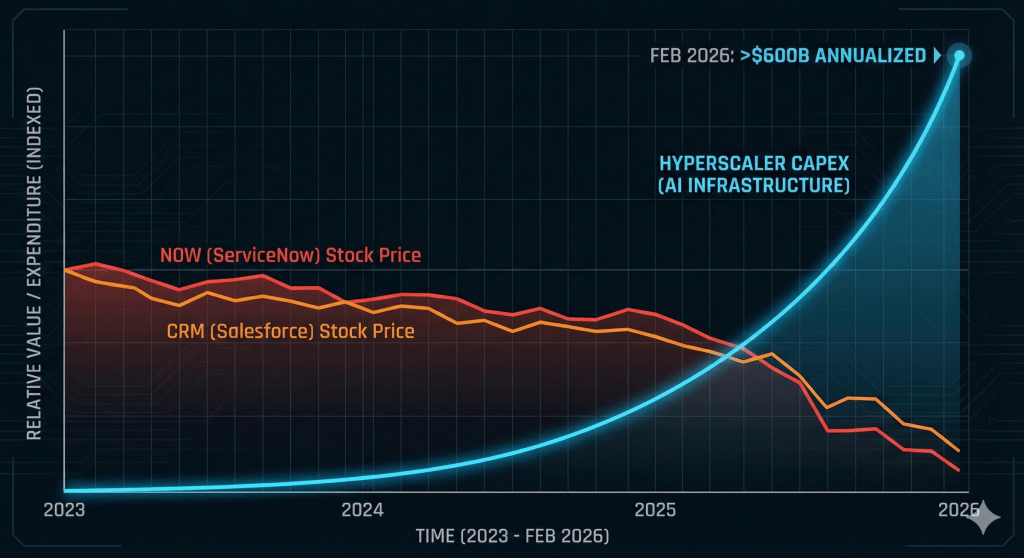
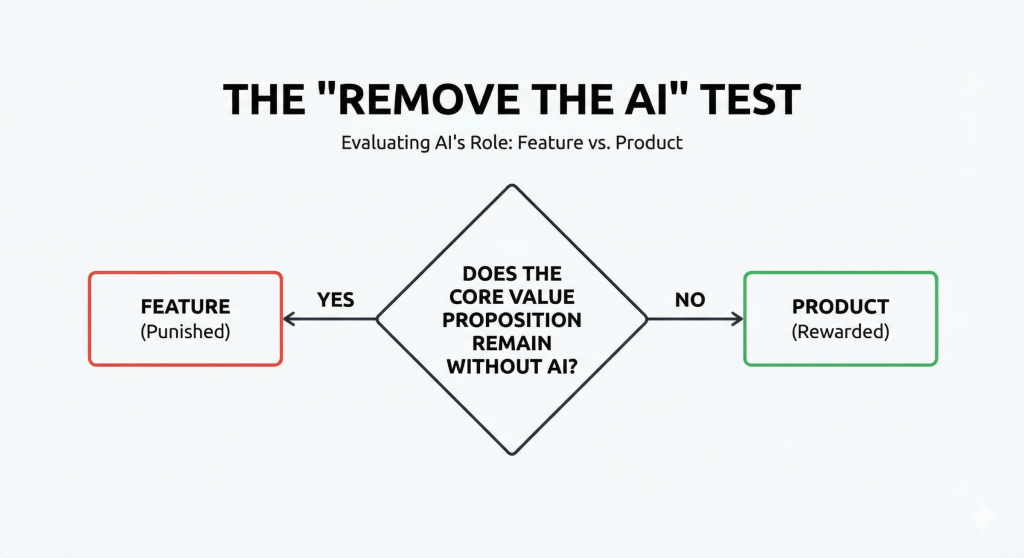
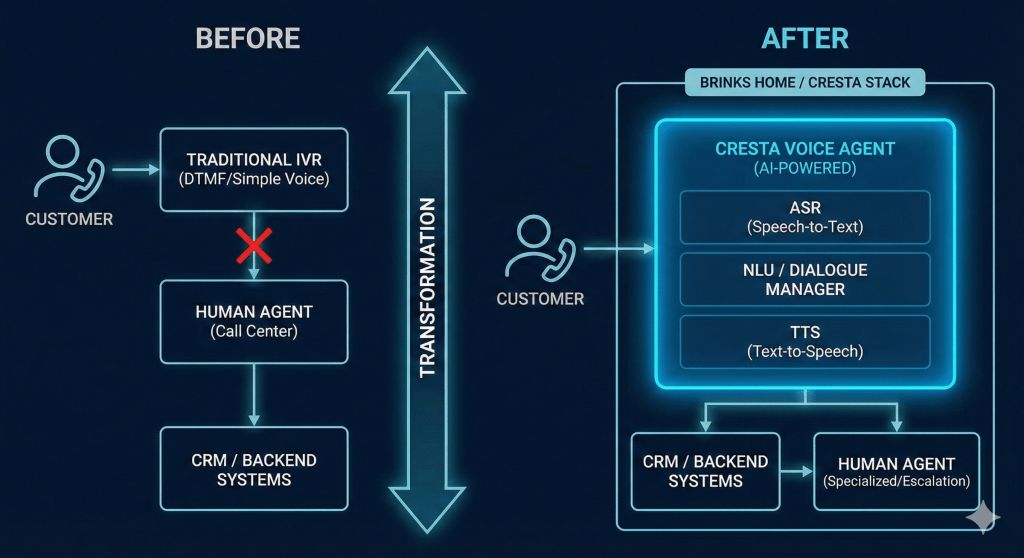
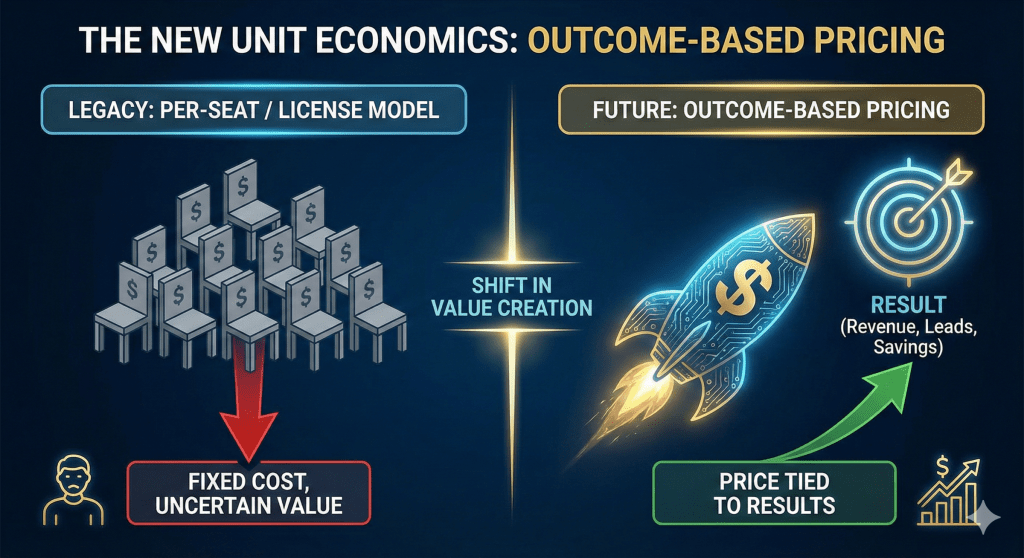
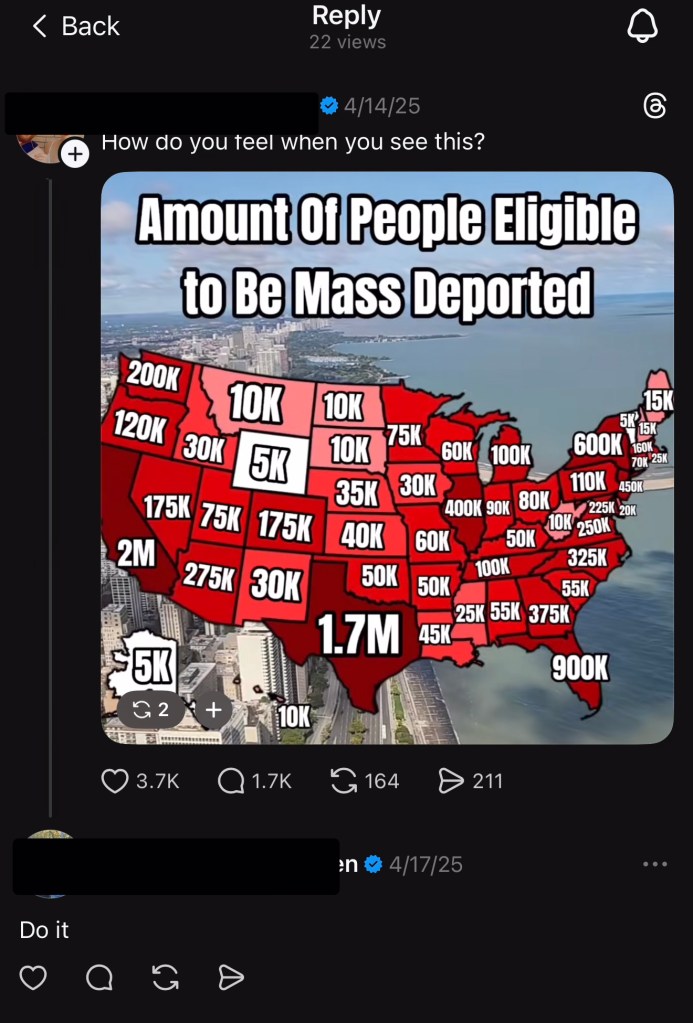
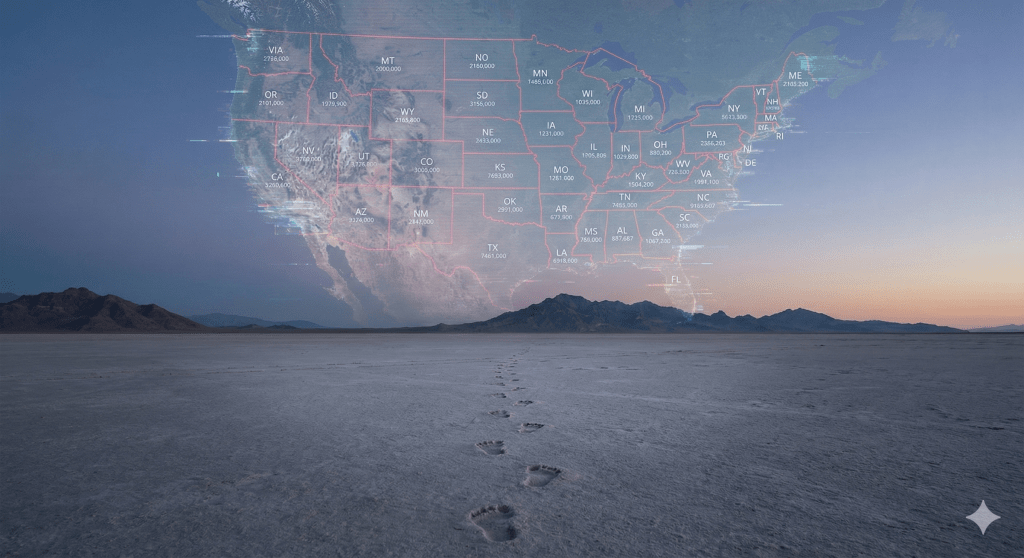



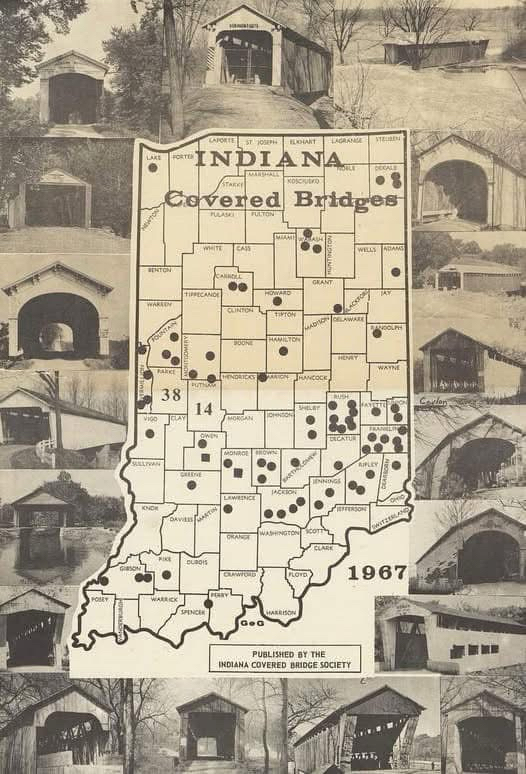

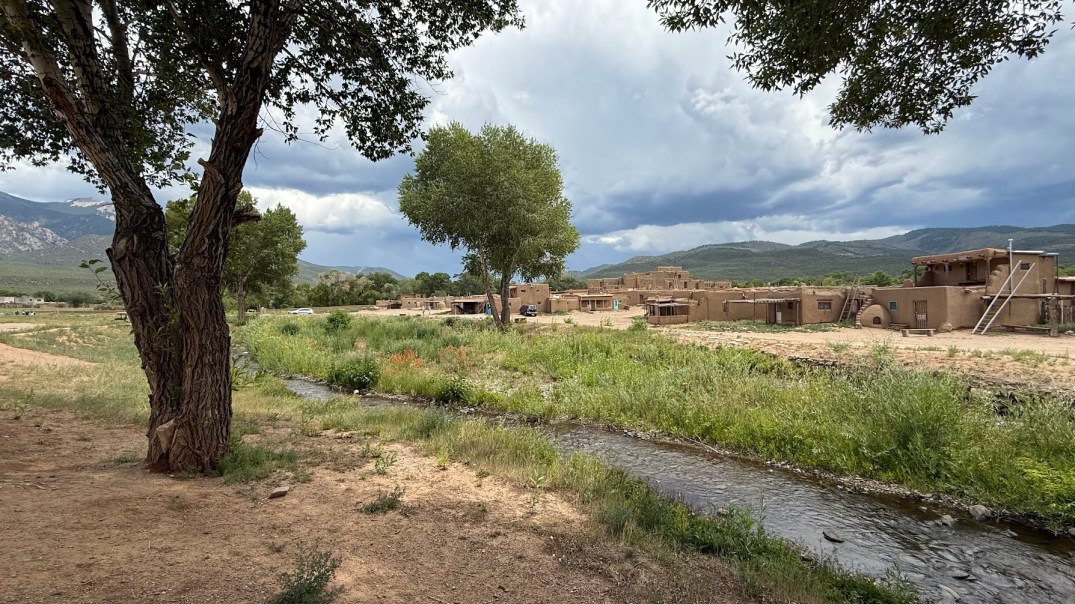


You must be logged in to post a comment.