
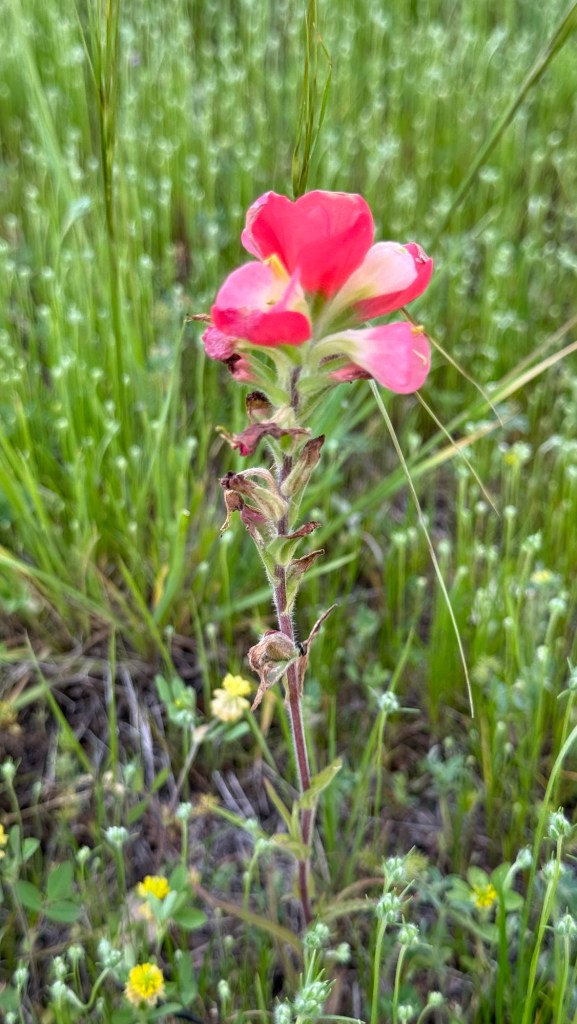
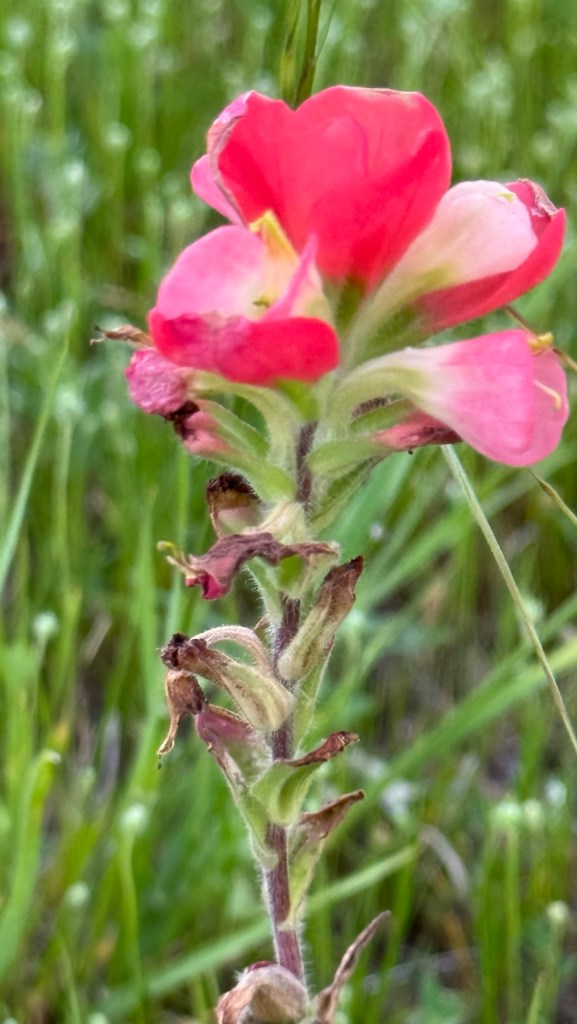
Driving down FM2181 the other day, I was met with a breathtaking sight: a field ablaze with the vibrant colors of the Texas Paintbrush! These stunning wildflowers, scientifically known as Castilleja indivisa, are a true sign that spring has arrived in Texas.
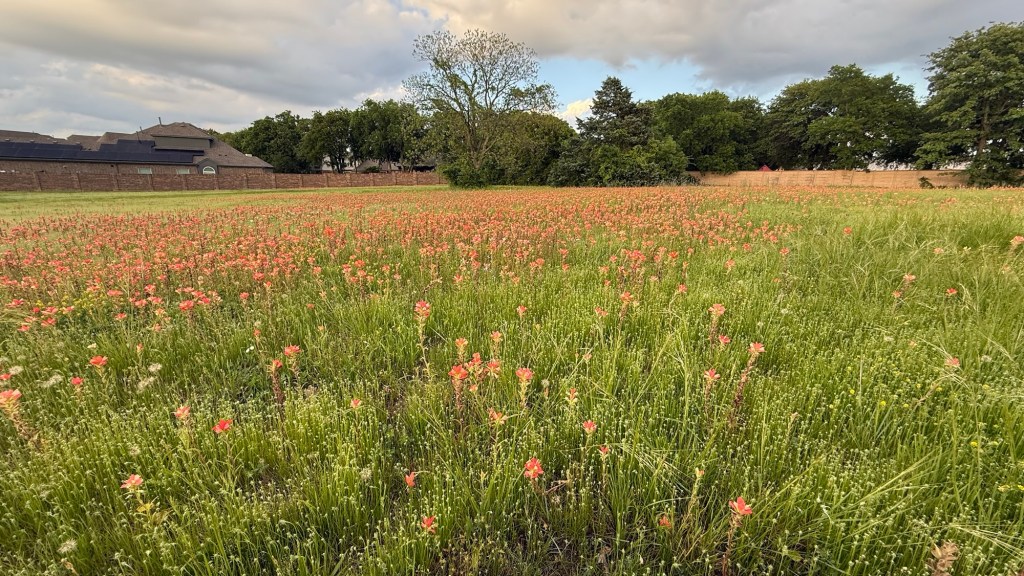
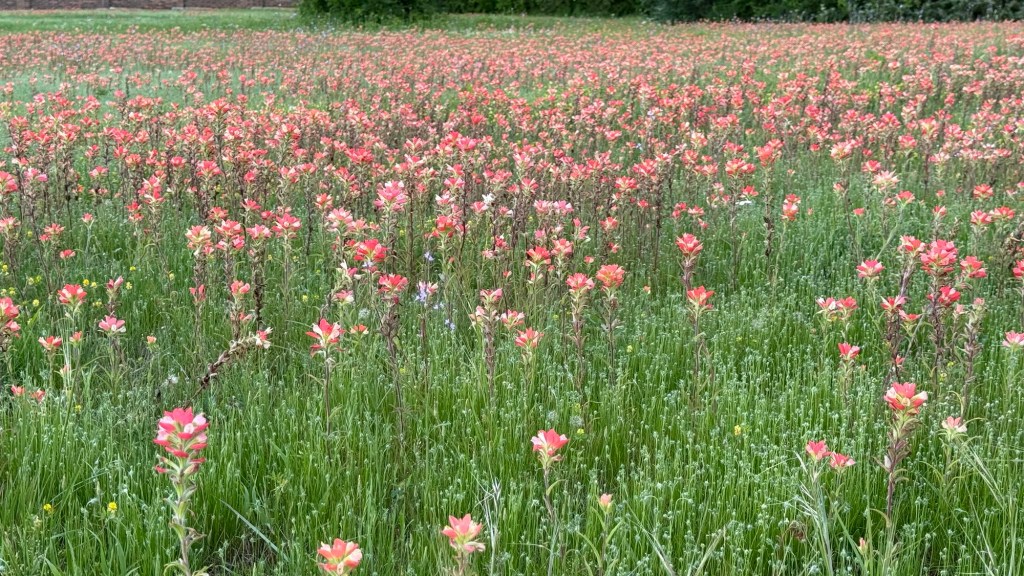
The Texas Paintbrush isn’t just a pretty face; it’s also a fascinating example of nature’s ingenuity. What appear to be its petals are actually modified leaves called bracts. The true flowers are the less showy, greenish-yellow tubes that peek out from within these colorful bracts. These bracts come in a range of colors, from the classic reddish-orange to occasional variations of yellow, pink, or even white.
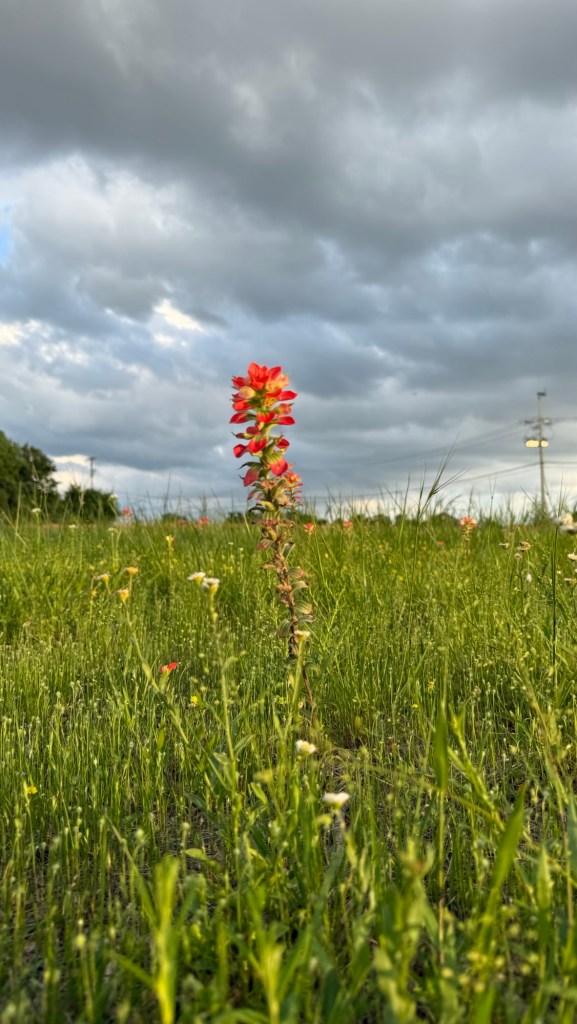
Another interesting fact about the Texas Paintbrush is that it’s a hemiparasite, also known as a partial parasite. While it can photosynthesize its own food, it also taps into the roots of nearby plants, especially grasses, to supplement its intake of water and nutrients. This doesn’t seem to harm the host plants significantly, and it allows the Paintbrush to thrive even in less fertile soils.
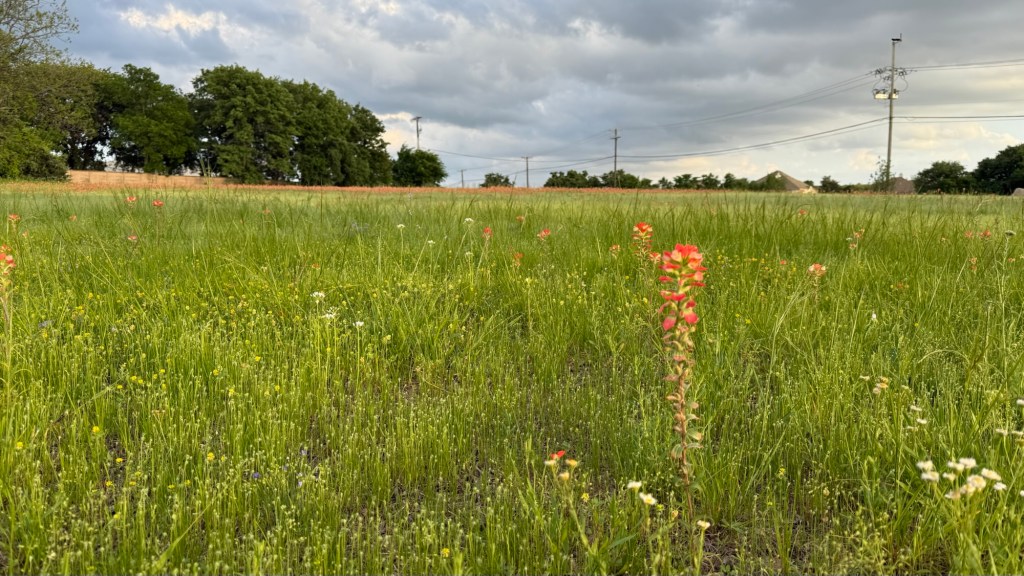
These vibrant blooms play a crucial role in attracting pollinators like bees and butterflies, ensuring the continuation of their species and contributing to the overall health of our ecosystems. While the Bluebonnet holds the title of Texas State Flower, the Texas Paintbrush is undoubtedly a beloved wildflower that paints our landscapes with beauty each spring, typically from March to May.


You must be logged in to post a comment.