
By: Kenneth Henseler, 14-FEB-2026
My friend Randy recently posted something on Facebook that stopped me in my tracks. He recalled a terrifying encounter from the 2000s where a police officer threatened him with jail time for “drinking too many energy drinks” because his eyes were dilated.
At first glance, it sounds ridiculous. But after diving into a massive, year-long investigation by WSMV4 and reviewing data from across the country, I realized Randy wasn’t dealing with a rogue cop. He was dealing with a systemic failure of forensic science that is currently ruining lives in at least 22 states.
We just released a deep-dive podcast episode on this exact topic. You can listen to the full investigation here:
https://podcasts.apple.com/us/podcast/the-chronos-archive/id1831231439?i=1000749778791
[🍎 Listen on Apple Podcasts]
The “Sobering Problem” by the Numbers
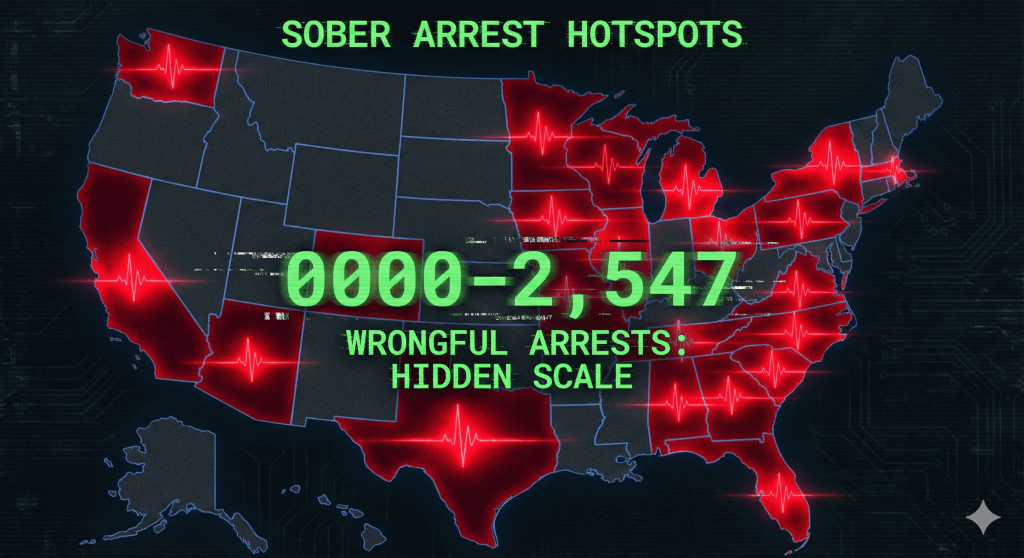
The catalyst for our deep dive was a bombshell report regarding Tennessee. Initially, state officials believed the number of sober people arrested for DUI was relatively low—around 600 over several years. But under pressure from investigative journalists and new transparency laws, the Tennessee Bureau of Investigation released the real number.
It wasn’t 600. It was 2,547.
That is over two thousand people who were handcuffed, mugshot, and jailed for Driving Under the Influence, only for their blood tests to come back later showing 0.00% alcohol and zero drugs.
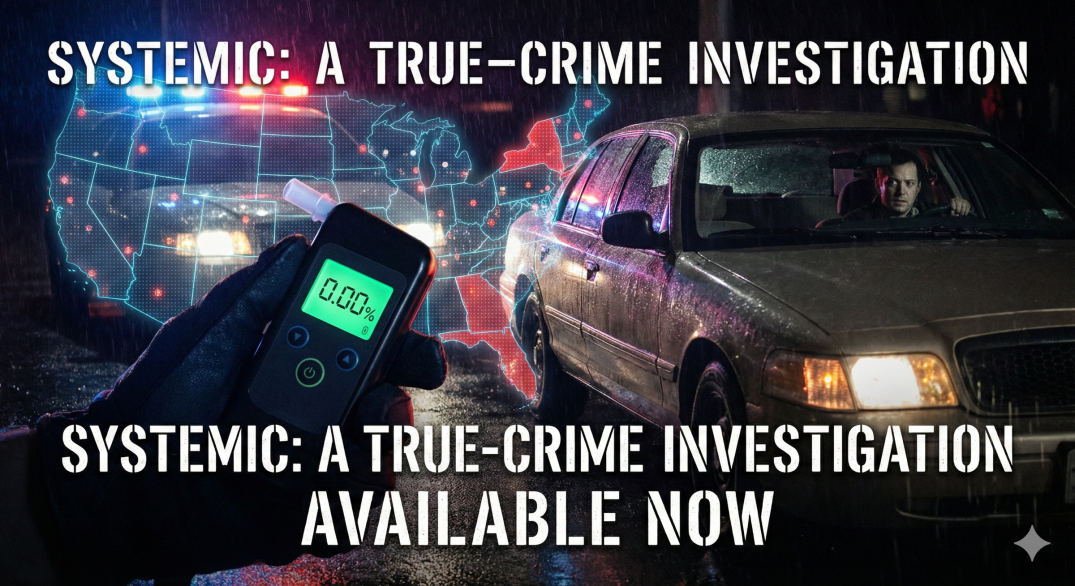
This isn’t just a Tennessee problem. As the map from Randy’s post highlights, this is happening nationwide. From the “Drug Whisperer” cases in Georgia to the Galanakis civil rights victory in Iowa, we are seeing a pattern where officer “hunches” are overriding scientific fact.
The Pseudo-Science of “Dilated Eyes”
Randy mentioned his “dilated eyes” were the officer’s justification. This is a classic hallmark of the Drug Recognition Expert (DRE) program.
Because alcohol arrests are down, enforcement has shifted to “drugged driving.” But unlike alcohol, which has a clear standard (0.08 BAC), drug detection relies on subjective 12-step protocols that often mimic medical exams—performed by officers, not doctors.
Officers look for things like:
- Dilated pupils: Which can be caused by low light, excitement, or yes, caffeine (energy drinks).
- High pulse: Which is a natural human reaction to being pulled over by the police.
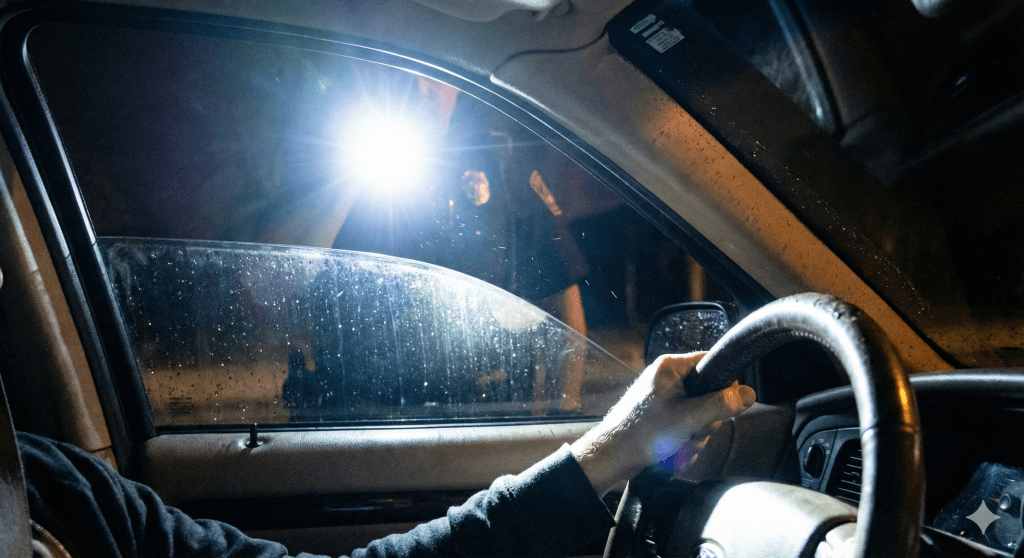
- Eye tremors (Nystagmus): Which can be caused by the flu, high winds, or simply flashing red-and-blue strobe lights in your face.
A 2023 study published in JAMA Psychiatry found that when officers used these tests to detect cannabis impairment, they had a false positive rate of roughly 50%. That means a coin flip is just as accurate as a roadside sobriety test on a sober person.
The Neurodivergent Trap
Perhaps the most heartbreaking discovery in our research was how this system targets the neurodivergent. We looked at the case of Justin Berry in Alabama, an autistic driver who was arrested because he couldn’t pass the physical agility tests (standing on one leg, walking a straight line) due to his disability.
For drivers with autism, the sensory overload of a traffic stop—lights, loud voices, demanding commands—can trigger behaviors like avoiding eye contact or “stimming” (repetitive movements). To a DRE officer, these look like signs of drug impairment.
There is hope, however. We discuss the “Blue Envelope” program in the podcast, a legislative win spreading to states like New Jersey and Pennsylvania. It allows drivers to keep their documents in a recognizable blue envelope that instantly signals to the officer: I am on the autism spectrum. I may not make eye contact. I may be anxious. Please be patient.

What Can You Do?
- Don’t Trust the “Hunch”: If you know you are sober, understand that field sobriety tests are voluntary in many states (check your local laws). They are designed to gather evidence against you, not to exonerate you.
- Support Transparency: The only reason we know about the 2,547 number is because Tennessee passed Public Chapter 327, forcing the state to report negative blood tests. We need this law in every state.
- Know Your Rights: In the case of Galanakis v. City of Newton, a federal court recently ruled that officers cannot ignore objective evidence (like a 0.00% breath test) to arrest you based on a hunch. Qualified immunity is cracking.
For the full breakdown of the laws, the science, and the stories, listen to the episode now.
| [🍎 Listen on Apple Podcasts]

You must be logged in to post a comment.