By KenHenChan / Kenneth Henseler / 28-JAN-2026
I don’t just listen to music; I audit it. And this month, my audit flagged a critical system failure in the form of an earworm. 🙉👂🐛🔊
According to my stats.fm dashboard, I am currently the #43 top listener of “Crows Feast” by Pixel Grip worldwide! Since discovering the track on January 23rd, 2026, I’ve streamed it ~30 times in just a few days! That’s not casual listening—that’s a loop. That’s a diagnostic.
Why does this track resonate so deeply with a veteran technologist? It’s because “Crows Feast” isn’t just a goth-pop song. It is a forensic report on emotional vulnerability, system collapse, and the predators that thrive in the wreckage.
Let’s open the case file.
The Code: Anatomy of the Ribcage
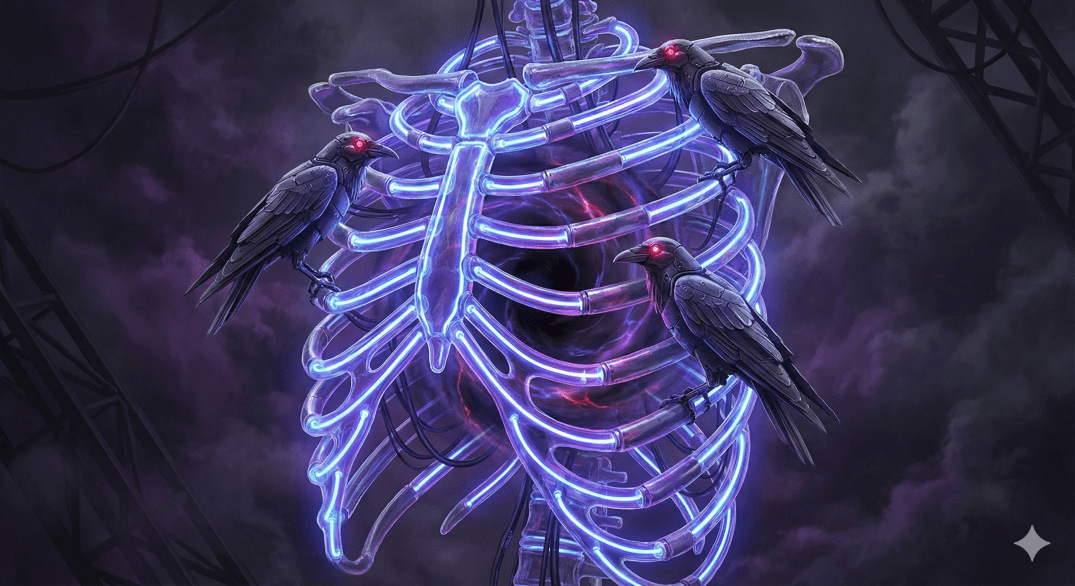
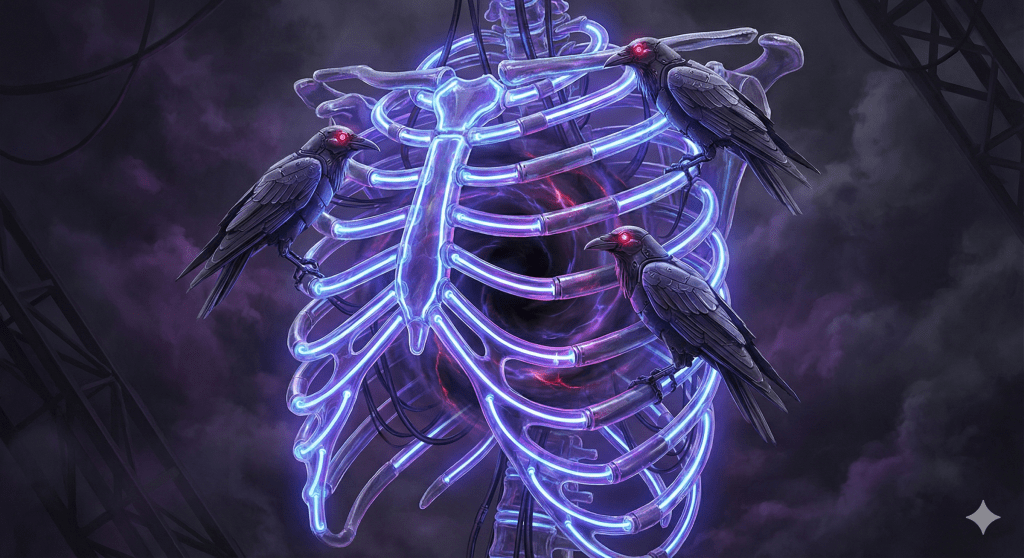
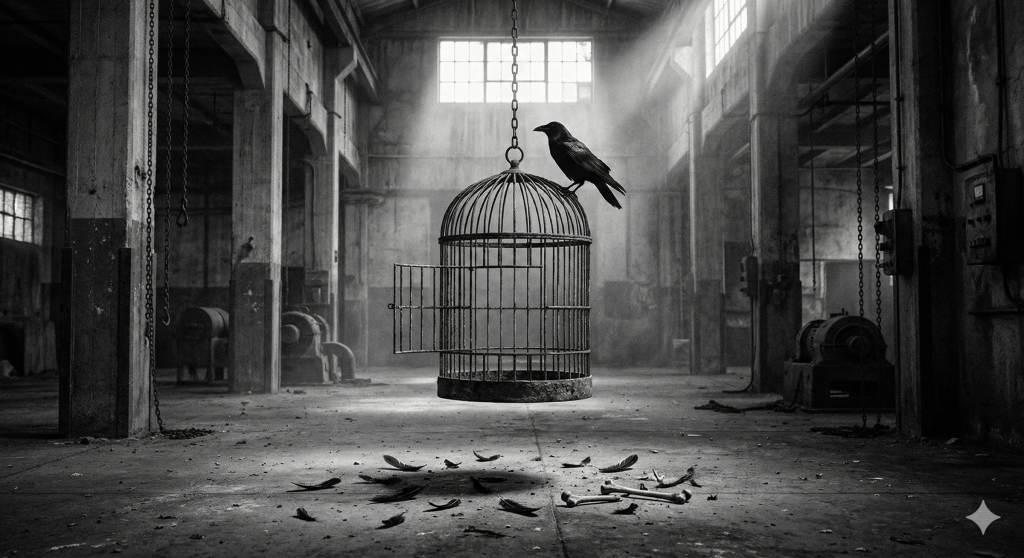
The central metaphor of the song is visceral: “I open up my ribcage and let the crows feast.”
From a First Principles perspective, the ribcage is a biological firewall. Its primary function is to shield the most vital, fragile infrastructure—the heart and lungs—from external threats. By “opening” it, the narrator isn’t just sharing a secret; they are dismantling their primary defense mechanism.
The lyrics shift chillingly at the end: “I open up my real cage.” This implies a terrifying realization: the physical body (or perhaps the social persona) was the cage all along. The “feast” is a dark form of liberation, a masochistic release where pain is the only proof of connection.
The Hardware: Why the Distortion Hits
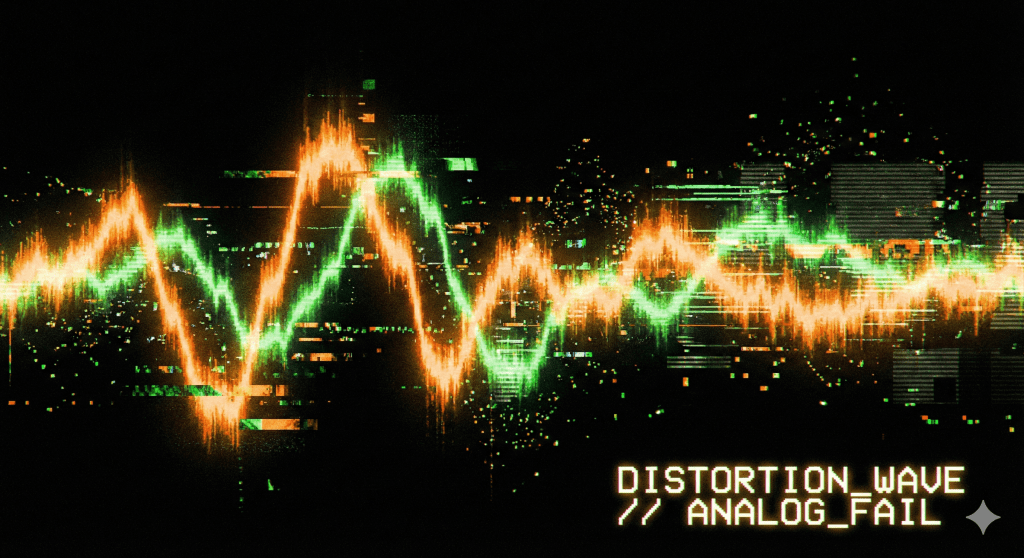
As someone who has spent decades in IT infrastructure, I find the production on this track fascinating. The “fuzzy, buzzy” synths you hear aren’t just an aesthetic choice; they are sonic distress signals.
Our brains are hardwired to interpret harmonic distortion—that gritty, clipping sound—as urgency. It mimics natural alarm calls. Pixel Grip uses vintage analog gear to achieve this. Unlike clean, digital code, analog gear drifts. It crackles. It is inherently unstable.
The bassline doesn’t drive; it ruminates. It loops heavily, mirroring the repetitive thoughts of someone stuck in a trauma bond. The “ghostly” synth layers strip away the club beat, forcing you to sit in the vacuum of the aftermath. It sounds like a machine that is still running, but barely.
The System Failure: A Psychological Audit
Why does the narrator keep opening the cage?
“And then they come back the next day and say they’re hungry.”
This line perfectly encapsulates the Sunk Cost Fallacy of relationships. The “Crows” are emotional parasites—or perhaps, our own “scavenger thoughts” of anxiety and depression. They consume the supply you offer, but they do not cache it. They return the next day, empty and demanding, because their hunger is a feature, not a bug.
In clinical terms, this looks like Percepticide—the death of reality. (Fittingly, this is the title of the album the track hails from). It describes a state where you surrender your own perception to appease a predator.
Conclusion: Closing the Ports
“Crows Feast” is a haunting reminder of what happens when we run our systems with open ports and no firewall. We effectively train the “crows” to expect a meal.
In a world demanding constant connection, this track is a counter-argument for Radical Self-Preservation. Sometimes, the most logical, compassionate thing you can do is close the ribcage, lock the “real cage,” and let the crows starve.
Discover more from Musings of My Today
Subscribe to get the latest posts sent to your email.
